Health Vectors
1st Floor
966, 27th Main, 8th Cross
Sector 1, HSR Layout
Bangalore 560102
(Behind Pai International)


When you are struggling with depression, it can feel a bit overwhelming to think about eating the right foods. One of the most overlooked aspects of mental health is nutrition. Making small changes in your diet may help to decrease your symptoms and have a positive effect on your life.
Coffee
A kick of caffeine can be a pick-me-up that helps you feel more motivated.
Coffee my boost energy and mood as well as lower one's risk of depression.
The antioxidants in coffee may be the reason behind the decreased depression risk.
https://pubmed.ncbi.nlm.nih.gov/26339067/
Carrots
Carrots get their orange color from beta-carotene, a powerful antioxidant.
Studies have shown that people with higher levels of beta-carotene were less likely to have symptoms of depression. Carotenoids occurs naturally in bright red, yellow, and orange fruits and vegetables.
https://www.ncbi.nlm.nih.gov/pmc/articles/PMC3360996/
 Indian mackerel Rastrelliger kanagurta
Fish
Oily fish such as salmon, mackerel, trout, sardines, and tuna are great choices to help fight depression.
Omega-3 fats are important in brain health and may be involved in the functioning of serotonin, an important neurotransmitter for mood.
https://www.ncbi.nlm.nih.gov/pmc/articles/PMC5481805/
Walnuts
A study found that adults who ate nuts, and specifically walnuts, were more likely to have higher levels of optimism, energy, hope, concentration, and a greater interest in activities.
https://www.ncbi.nlm.nih.gov/pmc/articles/PMC6413101/
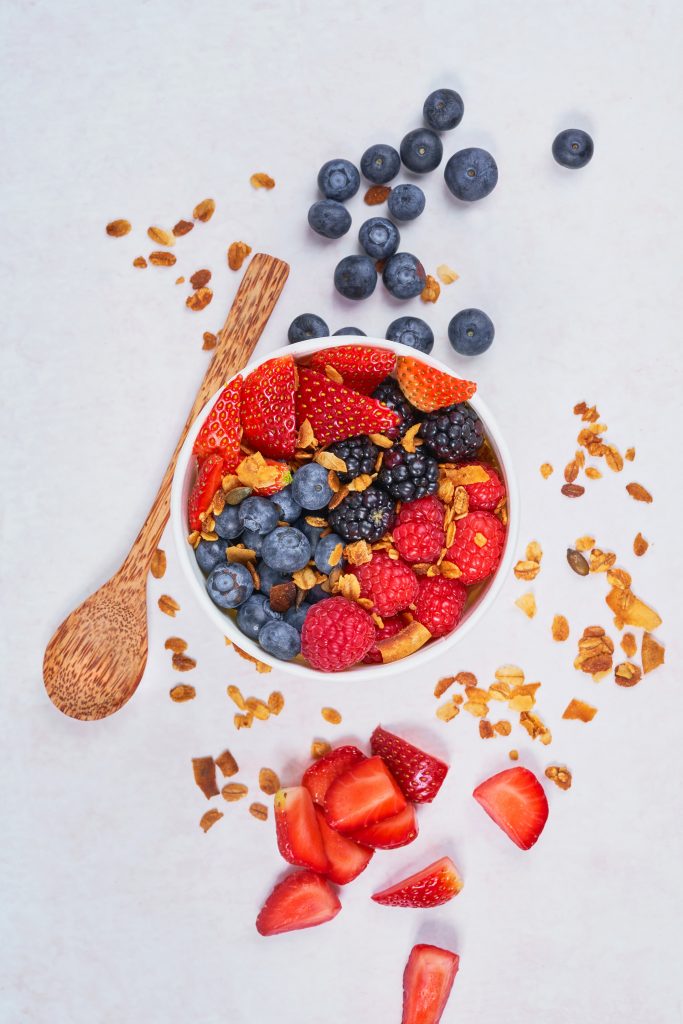
Berries
Berries have some of the highest levels of antioxidants that fight free radicals. Foods rich in antioxidants may reduce the effects of oxidative stress on mental health. Berries also contain vitamin C, which has been shown to reduce stress and make you feel more alert and alert.
https://pubmed.ncbi.nlm.nih.gov/28230732/
Probiotics
More and more research is linking good gut health with good mental health. Studies have found that microorganisms living in your gut, including probiotics, can play a key role in mood regulation by helping to reduce inflammation in your body, produce feel-good neurotransmitters, and affect your stress response.
https://www.ncbi.nlm.nih.gov/pmc/articles/PMC7510518/
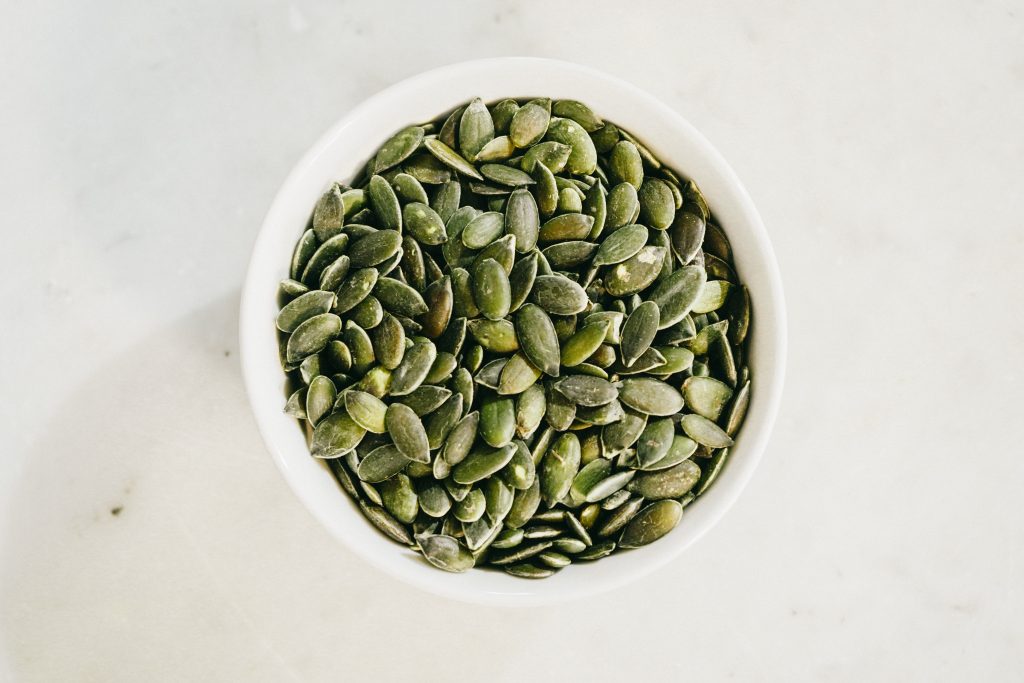
Seeds
Flaxseed and chia seeds are wonderful additions to your diet if you struggle with depression. These two types of seeds are particularly great sources of omega-3 fats. Pumpkin seeds are a rich source of tryptophan, that is an essential amino acid that helps create serotonin.
Serotonin is the key hormone that stabilizes our mood, feelings of well-being, and happiness.
https://www.ncbi.nlm.nih.gov/pmc/articles/PMC4293164/
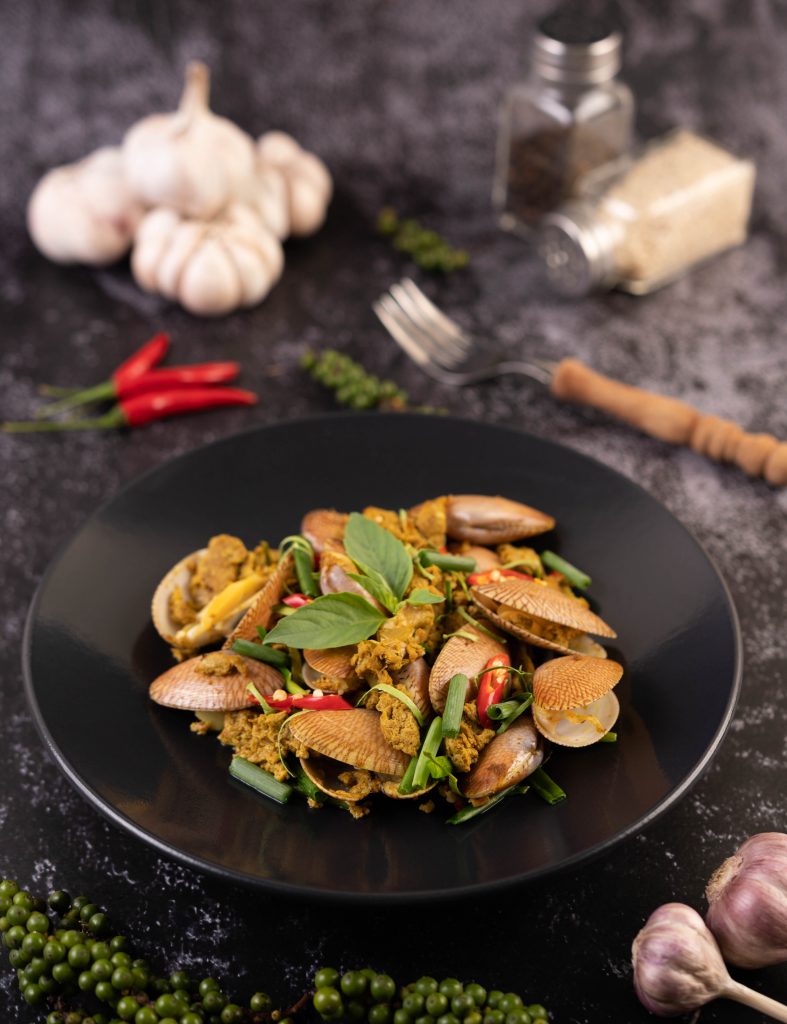 Curry powder stir fry on a black plate along with garlic. Chili and basil.
Clams and Mussels
Vitamin B12 helps keep the blood and nerve cells of the body healthy.
People who have higher total intakes of vitamin B12 from foods were found less likely to have depression.
Vitamin B12 is found naturally in foods of animal origin such as shellfish (like clams and mussels), fish, lean beef, and lamb.
Milk
It’s a good source of vitamin D. Low levels of vitamin D in your body, that can sometimes cause depression.
One study found that people who took a vitamin D supplement were less depressed a year later than those who didn’t.
https://www.ncbi.nlm.nih.gov/pmc/articles/PMC2950608/
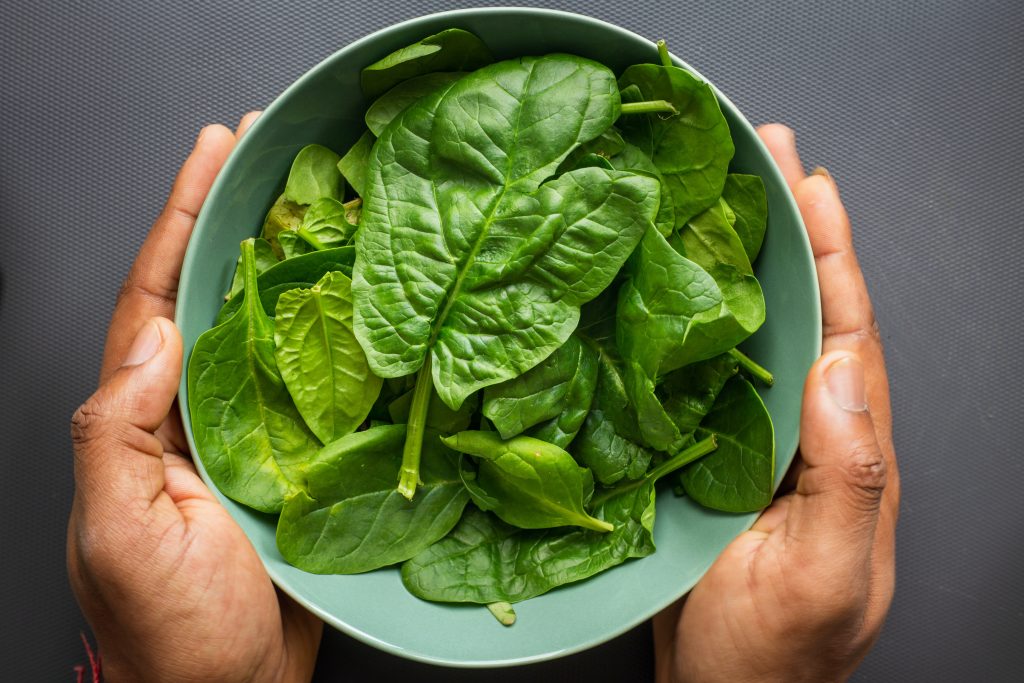
Leafy Vegetables
Dark green leafy vegetables are packed with folate, which your brain cells need to work well and which may help protect against depression.
They are also good sources of alpha-linolenic acid (ALA) which is one of the three main types of omega-3 fatty acid.
Poultry
Poultry like chicken is a great source of lean protein that can help to stabilize blood sugar levels, keeping your mood well-balanced during the day. Chicken breast is known to provide high amounts of tryptophan.
Again, this is beneficial because it helps create serotonin, which assists us in maintaining healthy sleep and a balanced mood.
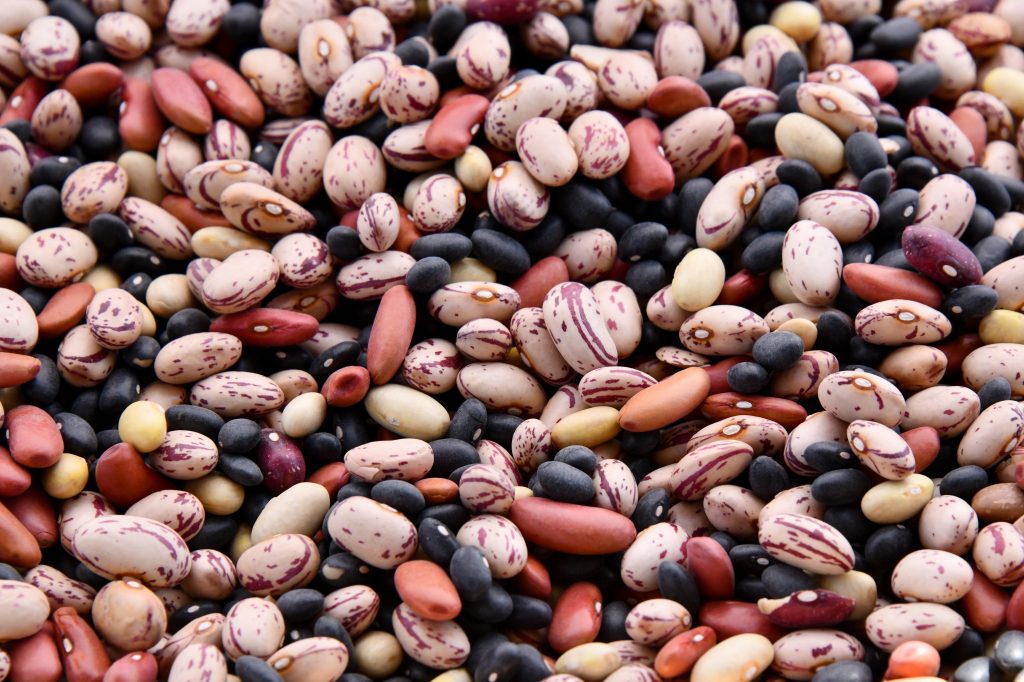
Pulses and legumes
Pulses and legumes are a great source of protein and fiber, both of which help to maintain stable and consistent blood sugar levels. In addition to helping minimize the blood sugar spikes and dips that can affect our mood, they are also great sources of folate.
Disclaimer: The advice provided is intended for informational purpose only and does not substitute for professional medical advice. Consult with your doctor if you’re seeking medical advice, diagnoses, or treatment.

Health Vectors
1st Floor
966, 27th Main, 8th Cross
Sector 1, HSR Layout
Bangalore 560102
(Behind Pai International)