Health Vectors
1st Floor
966, 27th Main, 8th Cross
Sector 1, HSR Layout
Bangalore 560102
(Behind Pai International)


Making major changes to your diet can sometimes seem very overwhelming. Instead of making big changes, it may be better to start with a few smaller ones. Here are simple changes you can make to make your diet healthier.
Slowdown
Eating slowly is linked to more thorough chewing, which has been linked to better weight control.
Simply eating slower and chewing more often may help you eat less.
Hormones determine whether you're hungry or full, and how much you eat can affect your weight.
https://pubmed.ncbi.nlm.nih.gov/30570305/
Choose whole grain instead of refined
You can easily make your diet a bit healthier by choosing whole grain chapati in place of traditional refined grain chapati.
Refined grains have been associated with many health issues, such as type 2 diabetes and heart disease.
Whole grains are linked to a variety of health benefits, including a reduced risk of type 2 diabetes.

Don't shop without a list
There are two important strategies to employ when you go grocery shopping.
Make your list ahead of time and don't go to the store hungry. Not knowing exactly what you need makes room for impulse buying, while hunger can cause you to toss more low-nutrient foods into your cart.
That’s why the best strategy is to plan ahead and write down what you need beforehand.
Eat eggs, preferably for breakfast
Eggs are incredibly healthy, especially if you eat them in the morning.
Eating eggs in the morning increases feelings of fullness.
This has been shown to cause people to consume fewer calories at later meals.
It can be quite helpful for weight loss, if that’s your goal.
Increase protein intake
A high-protein meal decreased levels of ghrelin, the hunger hormone, more than a high-carb meal in people with obesity.
Aim to add a source of protein to each meal and snack.
It will help you feel fuller for longer, curb cravings and make you less likely to overeat.

Drink enough water
Drinking enough water is important for your health.
Many studies have shown that drinking water can increase weight loss and promote weight maintenance, and it may even slightly increase the number of calories you burn each day.
Drinking water regularly may also be linked to improved diet quality and could decrease your calorie intake from beverages.
Bake or roast instead of grilling or frying
The way you prepare your food can drastically change its effects on your health.
Grilling, broiling, frying, and deep-frying are all popular methods of cooking but take up a lot of oils.
Roasting, baking, poaching etc. are healthier methods of cooking. Although you can still enjoy the occasional grilled or deep-fried dish, it’s best to use those methods sparingly.
Take Vit D & Omega 3 supplements
Vitamin D is found in very few foods, but fatty seafood generally contains the highest amounts.
Omega-3 fatty acids are another commonly lacking nutrient that's found in fatty seafood.
If you don't eat fatty seafood regularly, you should consider taking a supplement.
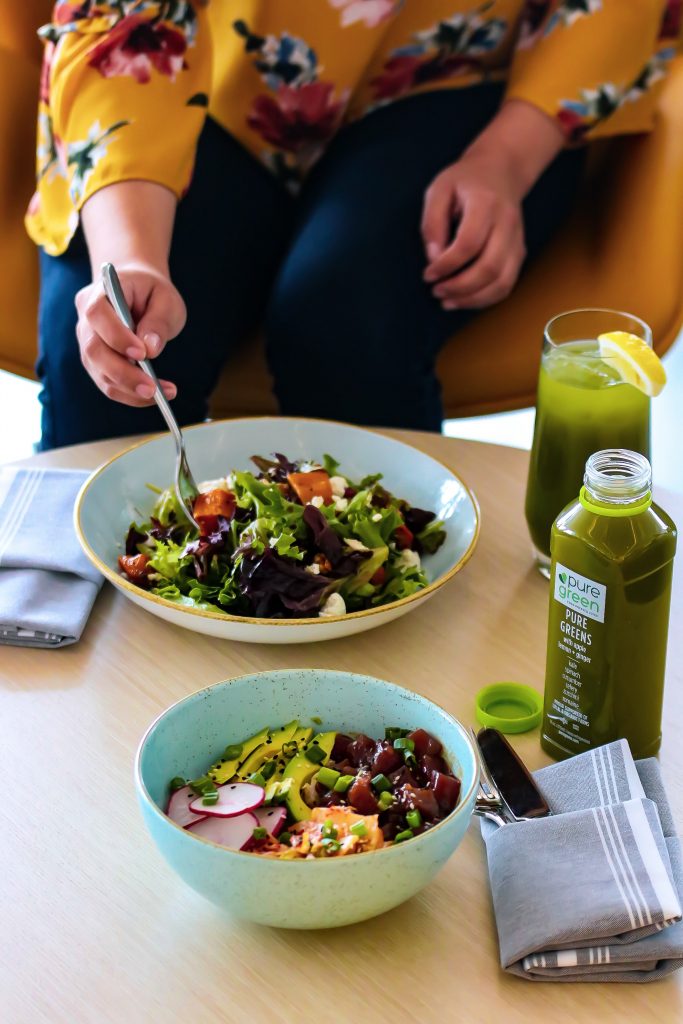
Replace your favorite fast-food restaurant
Eating out doesn’t have to involve unhealthy foods.
Consider upgrading your favorite fast-food restaurant to one with healthier options.
There are many healthy fast-food restaurants offering healthy and delicious meals.
Try at least one new healthy recipe per week
Trying new recipes can be a fun way to add more diversity to your diet.
Aim to try making a new healthy recipe at least once per week.
This can change up your food and nutrient intakes and hopefully add some new and nutritious recipes to your routine.
Choose baked/ boiled potatoes over French fries
Potatoes are very common to Indian cooking.
The method in which they’re prepared largely determines their impact on health. 100 g baked potato contains 93 calories, boiled potatoes has 87 calories while French fries has 333 calories, per 100g.
Replacing your French fries with baked or boiled potatoes is a great way to shave off calories.
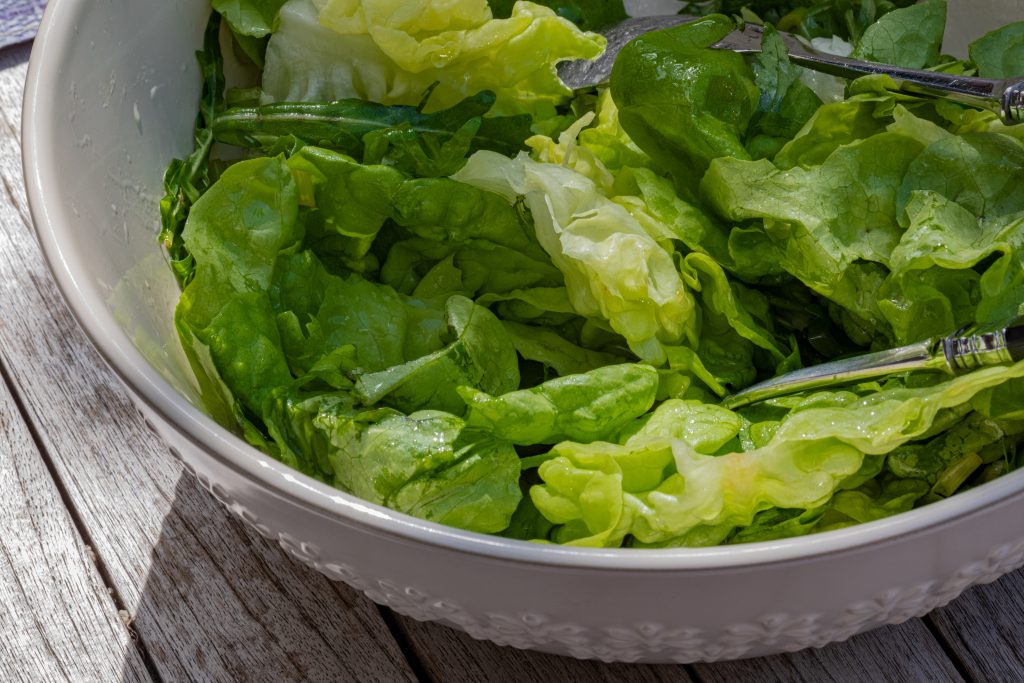
Eat your greens first
A good way to ensure that you eat your greens is to enjoy them at the start.
Enjoying your greens early on in the meal could lead you to eat fewer and healthier portions overall.
Eating vegetables before a carb-rich meal has been shown to have beneficial effects on blood sugar levels.
Eat fruits instead of drinking them
Fruits are loaded with water, fiber, vitamins, and antioxidants.
Because fruits contain fiber and various plant compounds, their natural sugars are generally digested very slowly and don’t cause major spikes in blood sugar levels.
However, the same doesn’t apply to fruit juices.
Many fruit juices aren’t even made from real fruit, but rather concentrate and sugar.
Even real fruit juices lack the fiber and chewing resistance provided by whole fruits.
Get Active
Good nutrition and exercise often go hand in hand.
Aim to do about 30 minutes of moderate to high intensity exercise each day, or simply take the stairs and go on short walks.
Exercise has been shown to improve your mood and decrease feelings of depression, anxiety, and stress.
These are the exact feelings that contribute to emotional and binge eating.
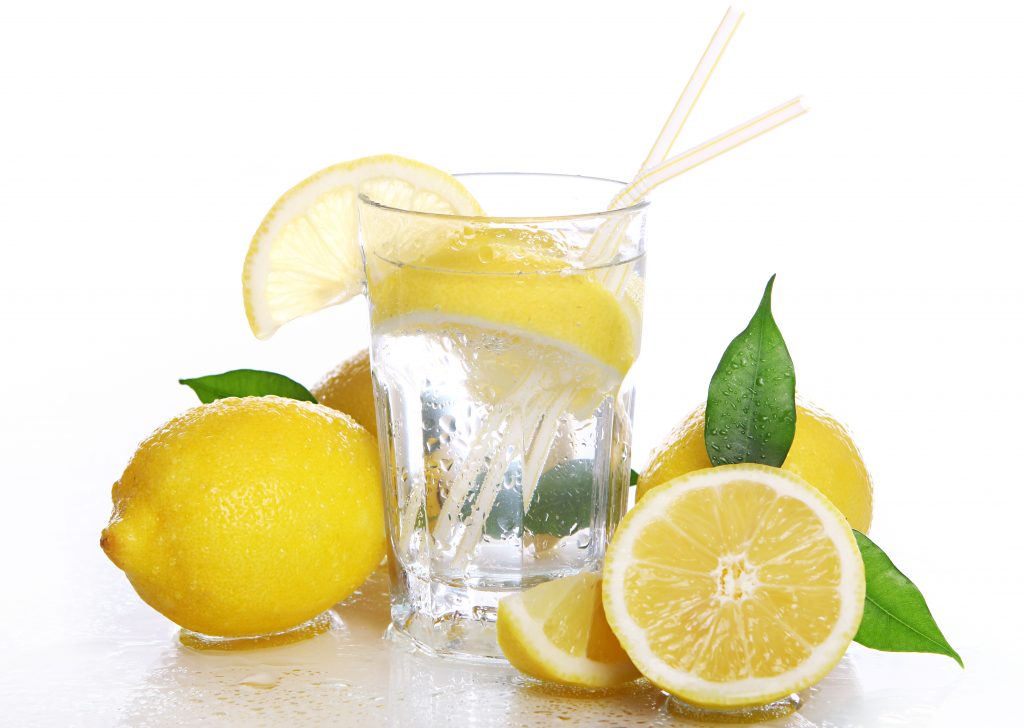
Replace sugary beverages
Sugary beverages are loaded with added sugar, which has been linked to numerous diseases.
Try replacing your sugary beverage with either a sugar-free alternative or simply choose fruit water or sparkling water instead.
Doing so will shave off the non-beneficial calories and reduce your intake of excess sugar.
Choose popcorn instead of chips
It may be surprising that popcorn is a whole grain that’s loaded with nutrients and fiber.
A 100g serving of air-popped popcorn contains 387 calories and 15 grams of fiber, while the same amount of potato chips contains 532 calories and only 3 grams of fiber.
For a healthy snack, try making your own popcorn at home, not microwave popcorn varieties.
Stay away from "DIET" foods
So-called diet foods can be very deceiving.
They have usually had their fat content reduced dramatically and are often labeled “fat-free,” “low fat,” “fat-reduced,” or “low calorie.”
However, to compensate for the lost flavor and texture from fat, sugar and other ingredients are often added.
So, many diet foods end up containing more sugar and sometimes even more calories than their full fat counterparts.
Instead, opt for whole foods like fruits and vegetables.

Get a good night's sleep
The importance of good sleep can’t be overstated.
Being sleep deprived negatively affects concentration, productivity and athletic performance.
Sleep deprivation disrupts appetite regulation, often leading to increased appetite and weight gain.
It's important to try to get adequate amounts of good-quality sleep, preferably in one bout.
Eat from smaller plates
It has been proven that the size of your dinnerware can affect how much you eat.
Eating from a large plate can make your portion look smaller, while eating from a small plate can make it look bigger.
According to one study, eating from a smaller plate was associated with increased feelings of satiety and reduced energy intake among participants with a healthy body weight.
By eating from smaller dinnerware, you can trick your brain into thinking that you’re eating more, making yourself less likely to overeat.
https://pubmed.ncbi.nlm.nih.gov/29071104/
Drink your coffee black
Coffee is a major source of antioxidants and has been linked to many health benefits.
Many commercial varieties of coffee contain lots of additional ingredients, such as sugar, heavy cream and syrup.
Drinking these varieties quickly negates all of coffee’s health benefits and instead adds lots of extra sugar and calories.
Instead, try drinking your coffee black or just adding a small amount of milk or cream instead.
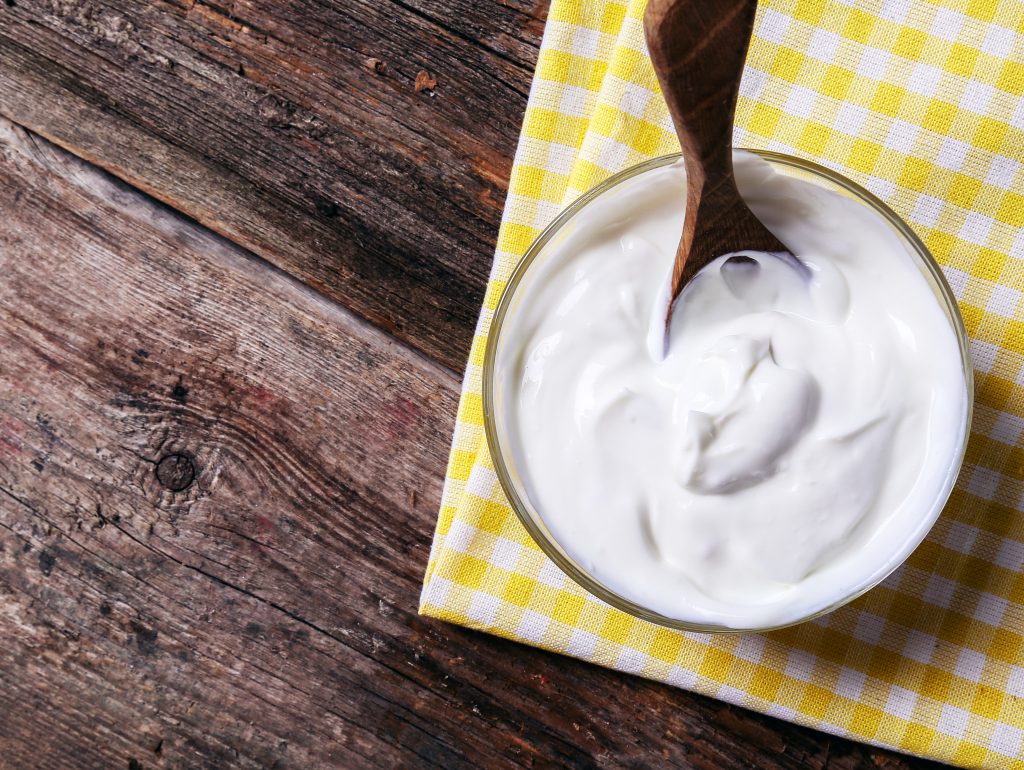
Add Greek yogurt to your diet
100g of Greek yogurt contains about 10g protein.
Eating a good source of protein can help you feel fuller for longer.
Just make sure to pick the plain, unflavored varieties.
Flavored yogurts may be packed with added sugar and other less nutritious ingredients.
Eat fresh berries instead of dried ones
Berries are very healthy and packed with nutrients, fiber, and antioxidants.
Most varieties can be purchased fresh, frozen, or dried. 100g fresh strawberries contain 31-35 calories while 100g of dried strawberries contain 375 calories.
The dried varieties are also often covered with sugar, further increasing the sugar content.

Health Vectors
1st Floor
966, 27th Main, 8th Cross
Sector 1, HSR Layout
Bangalore 560102
(Behind Pai International)