Health Vectors
1st Floor
966, 27th Main, 8th Cross
Sector 1, HSR Layout
Bangalore 560102
(Behind Pai International)


Maintaining a well-balanced, healthy diet is key to keeping your eyes healthy, and may help reduce your risk for developing eye conditions.
Serious eye conditions may be avoided if you include foods that contain a range of vitamins, nutrients, and minerals, known as antioxidants.
Red Bell Peppers
Bell peppers give you the most vitamin C per calorie.
They are able to minimize the risk of age-related macular degeneration.
You’ll only need a cup full of these to get 100% of the recommended daily value of vitamin A and vitamin C.
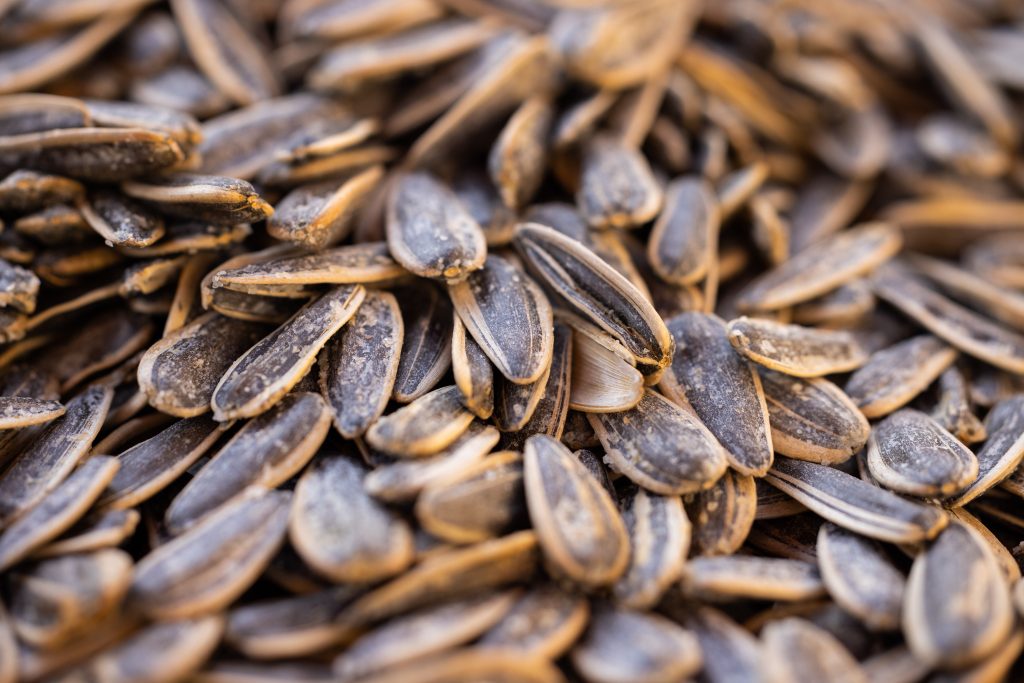
Sunflower Seeds
28g of these seeds has half the amount of the RDA of vitamin E for adults each day.
A large study found that vitamin E, together with other nutrients, can help slow age-related macular degeneration (AMD) from getting worse.
It may also help prevent cataracts.
Dark Green Leafy Vegetables
Spinach, along with other dark leafy greens like collard greens and kale, contains two of the most essential antioxidants for eye health, i.e., zeaxanthin and lutein.
Macula, the part of the eye helpful in shielding the eye from damaging light, stores these antioxidants.
Lutein plays a special role in the filtration of blue light (glare from the screens of electronic devices like mobiles and computer screens).
These antioxidants also play a significant role in maintaining rich blood flow to your eyes.
https://jamanetwork.com/journals/jama/article-abstract/382145
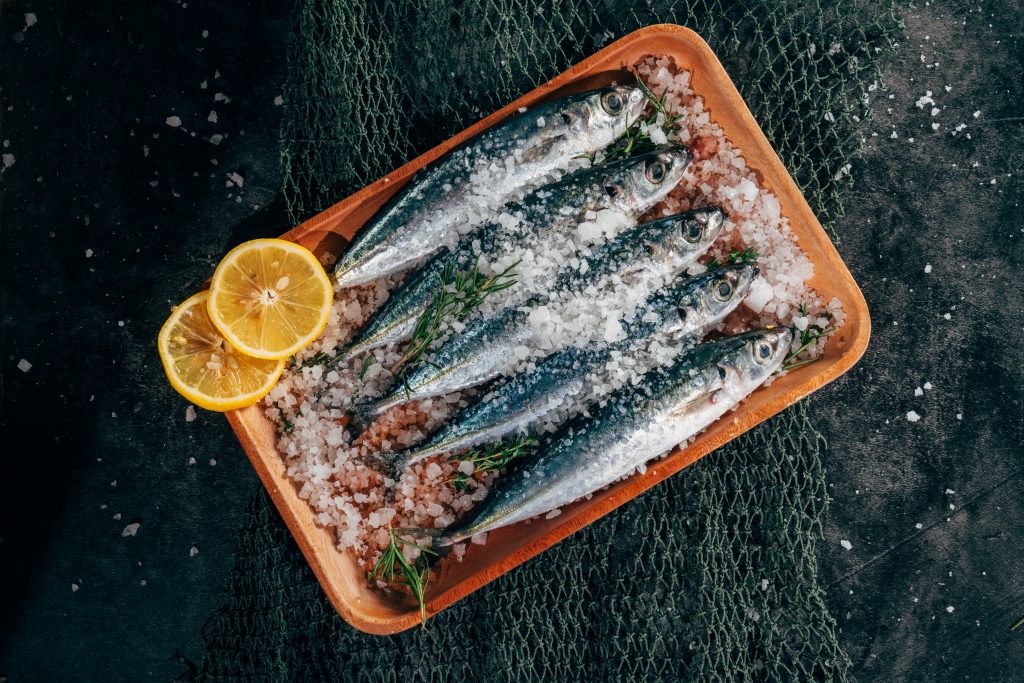
Fish
Many fish are rich sources of omega-3 fatty acids.
Oily fish are fish that have oil in their gut and body tissue, so eating them offers higher levels of omega-3-rich fish oil.
The fish that contains the most beneficial levels of omega-3s include tuna, salmon, mackerel, sardines etc.
Some studies have found that fish oil can reverse dry eye, including dry eye caused by spending too much time on a computer.
Carrots
With rich amounts of beta-carotene – an antioxidant converted to vitamin A by your body – quite essential for a healthy vision, the significance of carrots seems more reality than fiction.
Vitamin A plays a vital role in the production of rod and cone cells, essential for low light vision and color vision
Free radical damage is also minimized by beta-carotene, which helps protect against eye diseases like macular degeneration, cataracts as well as glaucoma.
https://www.bmj.com/content/314/7077/317.short
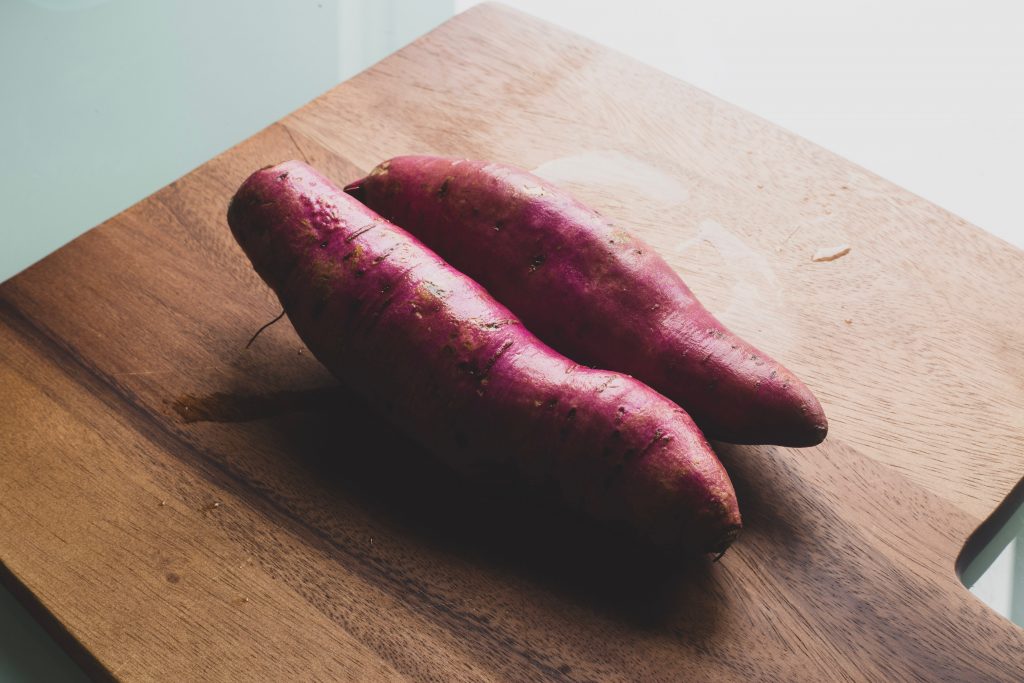
Sweet Potato
Orange-colored fruits and vegetables -- like sweet potatoes, cantaloupe, mangos, and apricots -- are high in beta-carotene, a form of vitamin A that helps with night vision, your eyes' ability to adjust to darkness.
One sweet potato also has more than half the vitamin C you need in a day and a little vitamin E.
Legumes and Lentils
Kidney beans, black-eyed peas and lentils are good sources of bioflavonoids and zinc — and can help protect the retina and lower the risk for developing macular degeneration and cataracts.
Eggs
Eggs are an excellent source of lutein and zeaxanthin, which can reduce the risk of age-related sight loss.
Eggs are also good sources of vitamins C and E, and zinc.
https://www.mdpi.com/2072-6643/5/4/1169
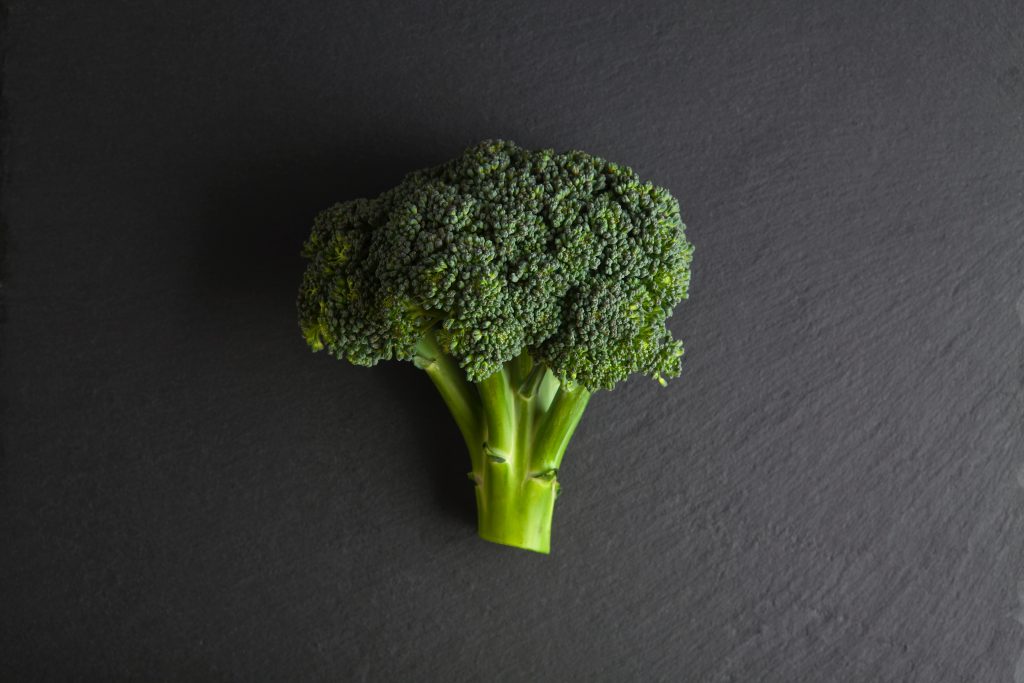
Broccoli
Broccoli comes with another winning combination of nutrients: vitamin A (as lutein, zeaxanthin, and beta-carotene), vitamin C, and vitamin E.
They're all antioxidants that protect the cells in your eyes from free radicals, a type of unstable molecule that breaks down healthy tissue.
Your retinas are especially vulnerable.
Citrus Fruits
Citrus fruits are rich in vitamin C.
Just like vitamin E, vitamin C is an antioxidant that is recommended to fight age-related eye damage.
Vitamin C-rich citrus fruits include lemons, oranges, grapefruit etc.
https://www.fao.org/3/x2650t/x2650t03.htm
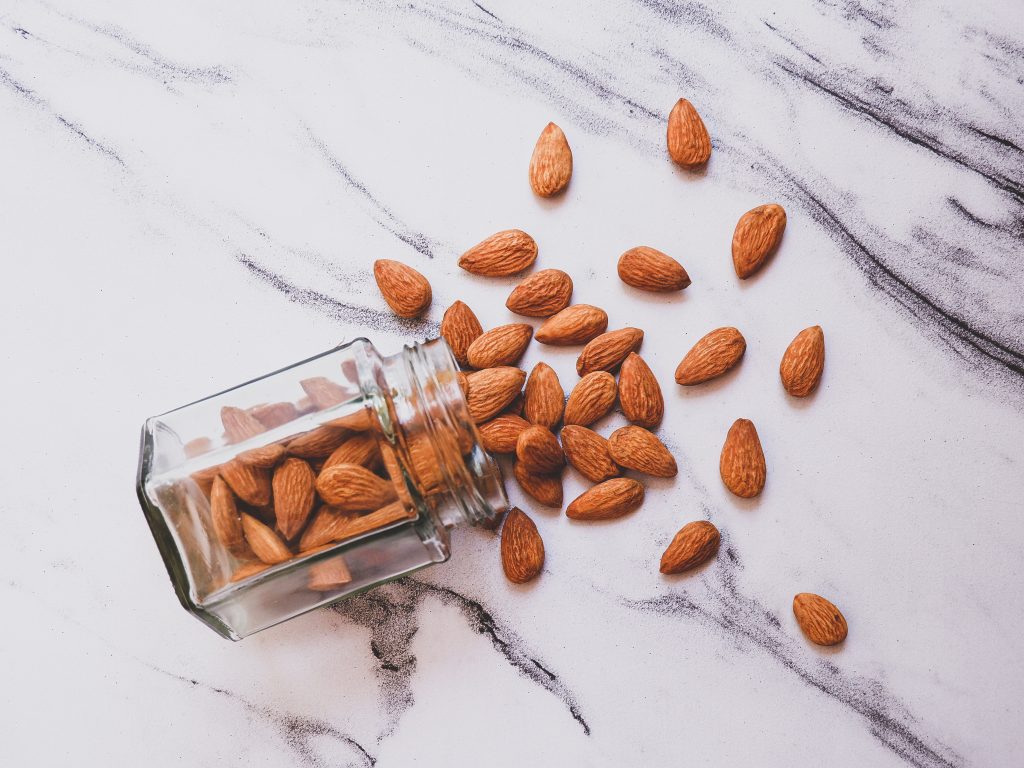
Almonds
Almonds, like other nuts and seeds, are generally good for eye health. Almonds contain vitamin E.
This vitamin guards against unstable molecules that target healthy tissue.
Consuming regular amounts of vitamin E can help prevent age-related macular degeneration as well as cataracts.
Dairy
Dairy products such as milk and yogurt can be good for the eyes.
They contain vitamin A and zinc, which helps bring that vitamin to the eyes from the liver.
Zinc is found throughout the eye, especially the retina and choroid. It helps with night vision and the prevention of cataracts.
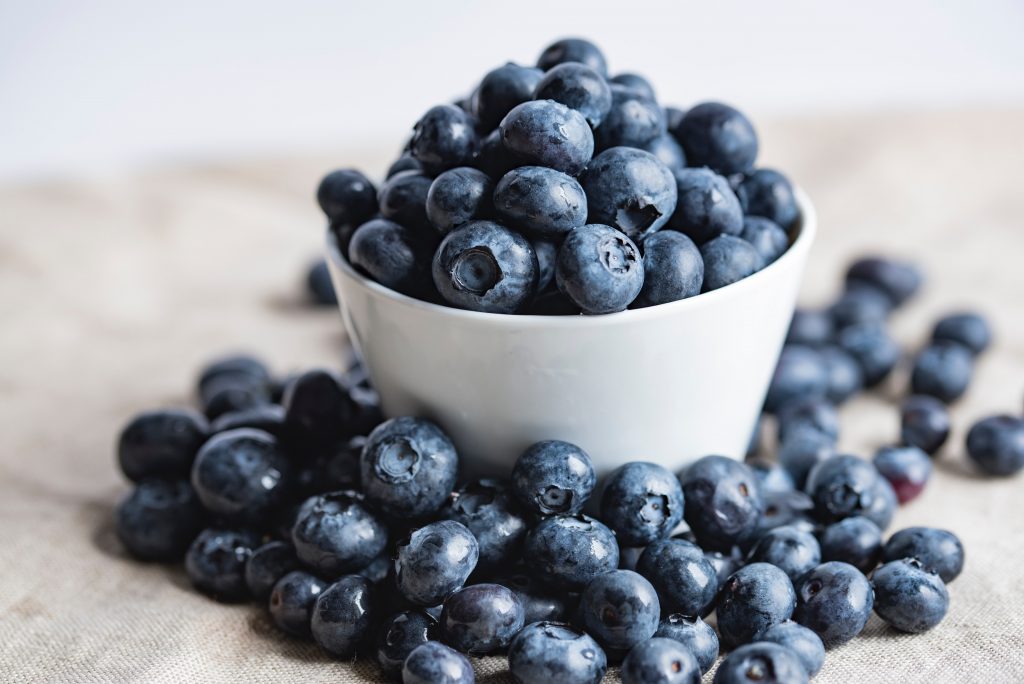
Blueberries
A little gem of a fruit when it comes to the richness in anthocyanins, potent antioxidants capable of crossing the blood-retina barrier with ease while providing extra vision protection, blueberries are amazing for eye health.
They also help improve the vision of people suffering from normal tension glaucoma, the type of glaucoma in which the optic nerve is damaged.
Whole Grains
A diet containing foods with a low glycemic index (GI) can help reduce your risk for age-related macular degeneration.
Swap refined carbohydrates for quinoa, brown rice, whole oats and whole-wheat breads and pasta.
The vitamin E, zinc and niacin found in whole grains also help promote overall eye health.
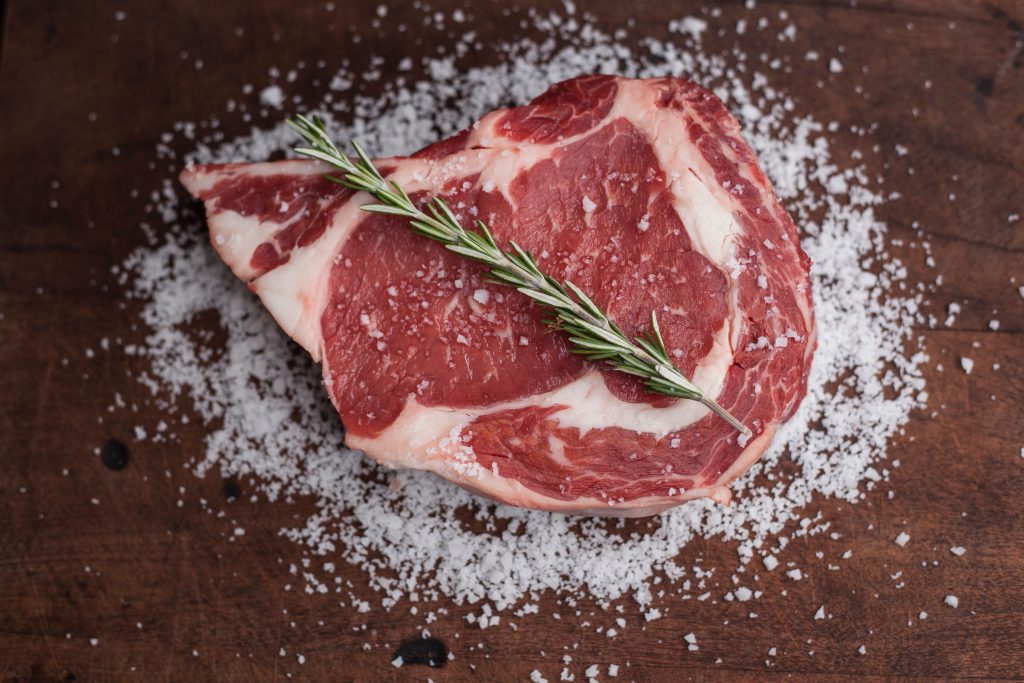
Beef
In moderation, lean beef in your diet can boost your eye health.
Beef contains zinc, which helps your body absorb vitamin and may play a role in reducing risk of advanced age-related macular degeneration.
Disclaimer: The advice provided is intended for informational purpose only and does not substitute for professional medical advice. Consult with your doctor if you’re seeking medical advice, diagnoses, or treatment.

Health Vectors
1st Floor
966, 27th Main, 8th Cross
Sector 1, HSR Layout
Bangalore 560102
(Behind Pai International)