Health Vectors
1st Floor
966, 27th Main, 8th Cross
Sector 1, HSR Layout
Bangalore 560102
(Behind Pai International)


While the prescription "visit your local animal shelter" doesn't show up very often on doctors' prescription pads, maybe it should.
Owning a dog or cat reduces stress and chronic pain, fights depression and allergies, studies show.
Having a pet also gives us a reason to get off our tushes and head out for a mind-clearing, blood-pumping walk.
Here are 8 reasons why owning a pet is good for you.
Pets Bring Your Family Closer Together
Having a pet is good for the whole family. Kids learn how to treat others with kindness and caring, and they teach responsibility.
Pets can be an important bridge between family members as well as help build self-confidence and self-esteem in kids.
Increased physical fitness
Getting exercise with your pet is great for you and good for your health.
According to research published in the American Journal of Lifestyle Medicine, walking dogs has been shown to promote engagement in and adherence to regular physical activity.
And, getting exercise with a pet is free, unlike gym memberships and many organized workout groups - it's also fun!
https://www.ncbi.nlm.nih.gov/pmc/articles/PMC6124971/
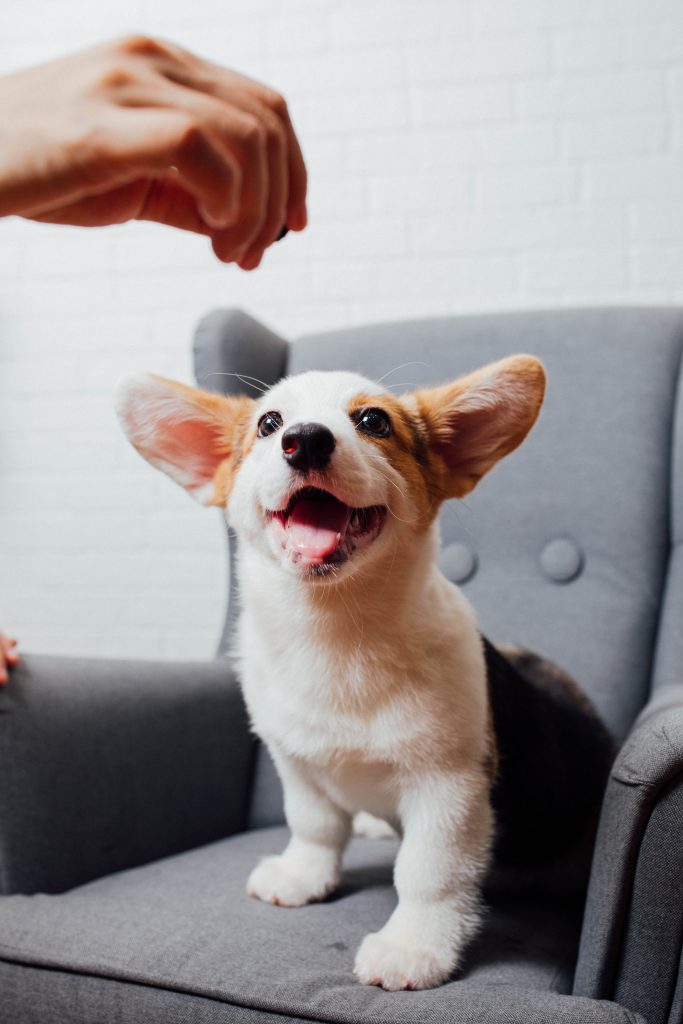
Increased Happiness & Decreased Depression
A sense of purpose is important for human beings. As is a need to feel connected, which offsets loneliness and brings joy.
By providing companionship, pets can combat depression, particularly in those who are elderly or sick.
Individuals dealing with post-traumatic stress have also been found to have improve mood and health outcomes when adding a pet or service dog to their lives.
Lower Blood Pressure & Cholesterol
Having a pet is believed to lower blood pressure and cholesterol, especially for those with hypertensive or high-risk patients.
NIH concluded based on several heart-related studies that having a pet can decrease cholesterol, blood pressure, and triglycerides, which are contributing factors for a heart attack.
https://www.ncbi.nlm.nih.gov/pmc/articles/PMC3317329/

Lower Stress & Anxiety
Whether it’s comfort, cuddles, laughter or physical activity, having a pet releases calming endorphins – oxytocin.
An early 2000’s study, researchers in New York found that people are less stressed when a pet is with them than when a friend or spouse is present.
People who use pet therapy while recovering from surgery are less likely to use pain medications after surgery, according to researchers.
https://pubmed.ncbi.nlm.nih.gov/12271103/
Pets may prevent allergies in children
Research in the Journal of Allergy and Clinical Immunology contends that having a dog in infancy can improve a child’s overall immune system, as well as reduce allergies.
It's believed that the dander in pet hair might serve as a natural immunotherapy for babies and children.
And that means a stronger immune system, and likely less missed days of school.

Pets improve relationships
Young adults with a deep bond to their pets felt more connected in their relationships and to their communities than those who did not have animals in a study published in the Journal of Applied Developmental Science.
They were more likely to take on leadership roles and tended to be more confident and empathetic.
Improve socialization
Whether physically interacting with other people outside or engaging in a conversation about your pet, having an animal is a great way to connect with others.
Studies have found that pet owners are perceived as "friendlier" by their neighbors.
There are online socializing platforms and dating sites that are now tailored to fit your pet's needs, too

Adopt, don't shop
Getting all the above health benefits from a pet does not mean you get out and go buy yourself a puppy or kitten from a breeder.
Remember to "adopt, don't shop".
Every time an animal is adopted, a space opens up in the shelter or rescue.
When you adopt a cat or dog, not only are you saving that animal's life, but you are also opening up a space for another animals' life to be saved.
Disclaimer: The advice provided is intended for informational purpose only and does not substitute for professional medical advice. Consult with your doctor if you’re seeking medical advice, diagnoses, or treatment.

Health Vectors
1st Floor
966, 27th Main, 8th Cross
Sector 1, HSR Layout
Bangalore 560102
(Behind Pai International)