Health Vectors
1st Floor
966, 27th Main, 8th Cross
Sector 1, HSR Layout
Bangalore 560102
(Behind Pai International)


Bloating is a common problem often caused by issues like constipation or excess gas. Plus, what you eat, and drink can significantly affect bloating and other digestive issues.
Fortunately, many ingredients have been shown to promote regularity, prevent fluid retention, and enhance gut health, all of which can help keep bloating at bay.
Here are 19 foods and drinks that can help with bloating.
Cucumber
Cucumbers are high in water, making them great for relieving bloating and helping you stay hydrated.
Eating foods with a high-water content can help ensure you meet your daily fluid needs.
This prevents water retention and alleviate bloating caused by dehydration.
Bananas
Bananas are popular for their flavor, portability and convenience.
They're also highly nutritious and an excellent source of fiber.
Bananas are rich in potassium, a nutrient that supports a healthy fluid balance. In turn, this may prevent bloating and water retention.

Papaya
Papaya not only has a high-water content but also provides plenty of fiber in each serving.
It likewise contains an enzyme called papain, which helps your body break down amino acids. This encourages healthy digestion and may help keep bloating at bay.
https://thescipub.com/pdf/ajbbsp.2012.99.104.pdf
Yogurt
Yogurt is packed with probiotics, a beneficial type of bacteria that plays a key role in gut health.
According to some research, probiotics may improve stool frequency and consistency to promote regularity.
https://pubmed.ncbi.nlm.nih.gov/25099542/
Apples
Apples have a high-water content and are rich in potassium, which supports a healthy fluid balance and helps you stay hydrated.
They are brimming with fiber, with almost 5 grams in just 1 medium (200-gram) apple.
Apples are high in soluble fiber called pectin, which can accelerate the movement of food as it passes through your digestive tract.

Fennel
Studies show that fennel and its seeds possess antispasmodic properties, meaning it can help relax the muscles in your intestinal tract to provide relief from gas and bloating.
It also acts as a diuretic to increase urine production and reduce water retention.
https://www.ncbi.nlm.nih.gov/pmc/articles/PMC4137549/
Tomatoes
A diet that includes tomatoes will load you up on lycopene, an antioxidant that works as an anti-inflammatory all over your body.
Tomatoes are also full of potassium, which lowers levels of bloat-causing sodium in your body.
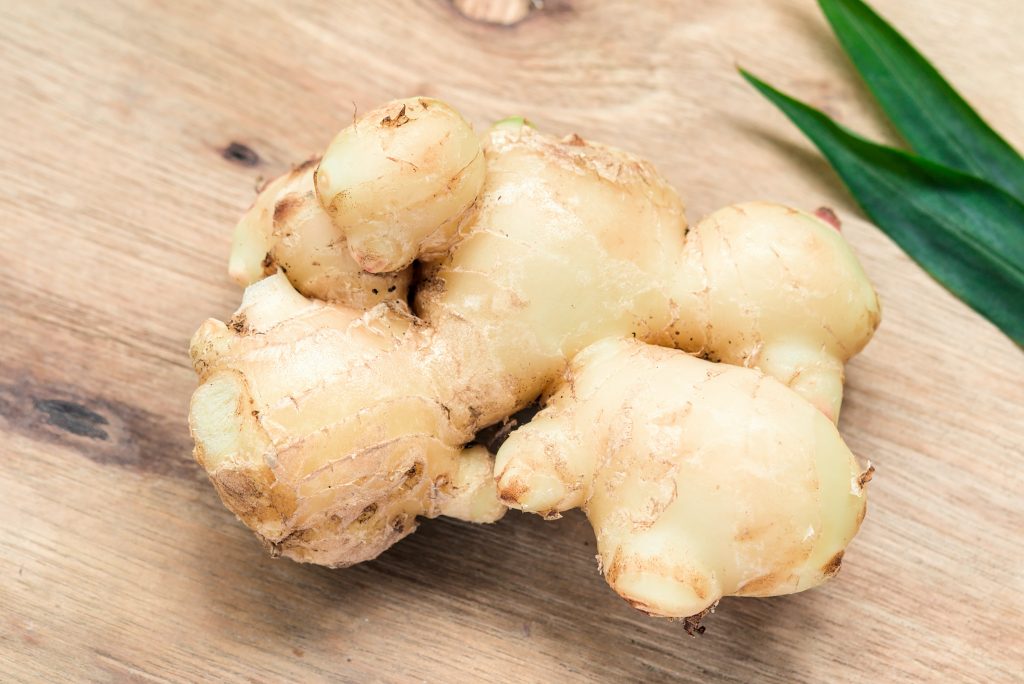
Ginger
Ginger contains an enzyme called zingibain, which helps break down protein more efficiently.
It could speed up stomach emptying to prevent bloating and feelings of fullness.
Ginger is one of the best-known herbs for its ability to soothe digestive distress.
https://www.ncbi.nlm.nih.gov/pmc/articles/PMC6271898/
Coconut water
Bananas aren't the only food high in water retention-fighting potassium; coconuts contain plenty of this electrolyte.
Your body holds onto water when there’s too much sodium. Potassium helps push out sodium.
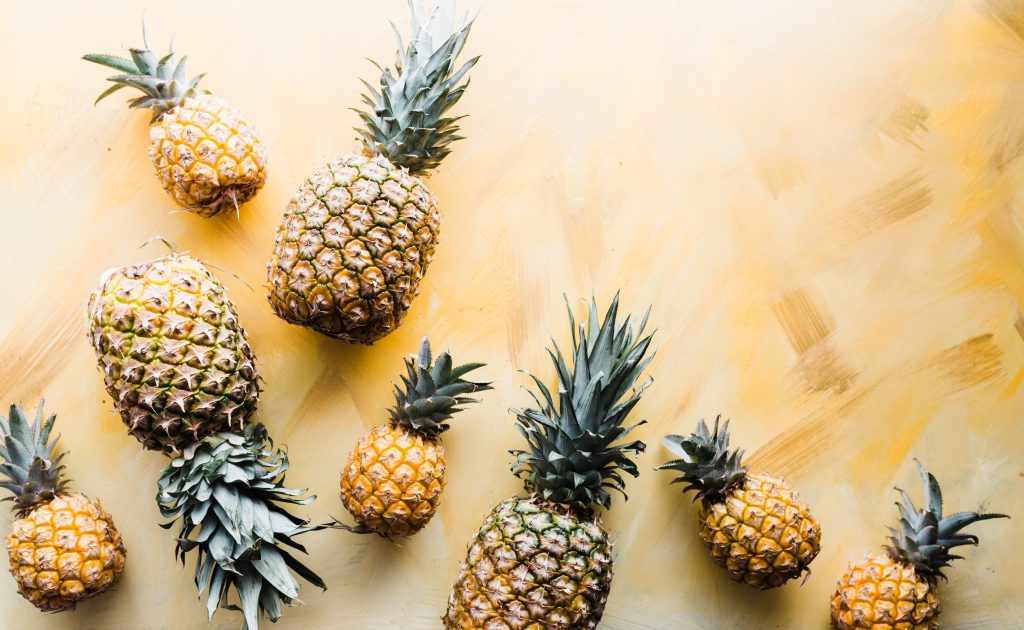
Pineapple
Pineapple contains bromelain, an enzyme that has long been used in traditional medicine to treat digestive disorders.
In some studies, bromelain has been shown to fight inflammation, which improves issues like bloating and swelling.
https://www.ncbi.nlm.nih.gov/pmc/articles/PMC4998156/
Turmeric
Turmeric contains a compound called curcumin, which has been studied extensively for its anti-inflammatory effects.
According to some research, curcumin may also improve gut health and reduce symptoms of IBS, including gas, bloating, and constipation.
https://www.ncbi.nlm.nih.gov/pmc/articles/PMC6210149/

Avocado
Avocados are rich in folate and vitamins C and K. They're also rich in potassium, which regulates fluid balance and prevents water retention.
Avocados contain fiber, which moves slowly through your digestive tract to support regularity and help prevent constipation.
https://www.ncbi.nlm.nih.gov/pmc/articles/PMC4677277/
Kiwi
Kiwi is a popular fruit rich in several key nutrients, including fiber and potassium.
Several studies suggest that kiwi could benefit many digestive issues and help reduce bloating, stomach pain, and constipation.
https://www.ncbi.nlm.nih.gov/pmc/articles/PMC5537759/

Berries
Berries like strawberries, blueberries, and blackberries are loaded with antioxidants, vitamins, and minerals. They’re also high in fiber.
Increasing your fiber intake can enhance gut health and soften your stool to prevent constipation and bloating.
https://www.ncbi.nlm.nih.gov/books/NBK559033/
Green tea
Green Tea is brimming with antioxidants like epigallocatechin gallate (EGCG), which can neutralize harmful free radicals.
It also contains caffeine, a compound that stimulates digestive tract movement and acts as a natural laxative to support regularity. In turn, this can reduce bloating.
https://iffgd.org/gi-disorders/diarrhea/common-causes/
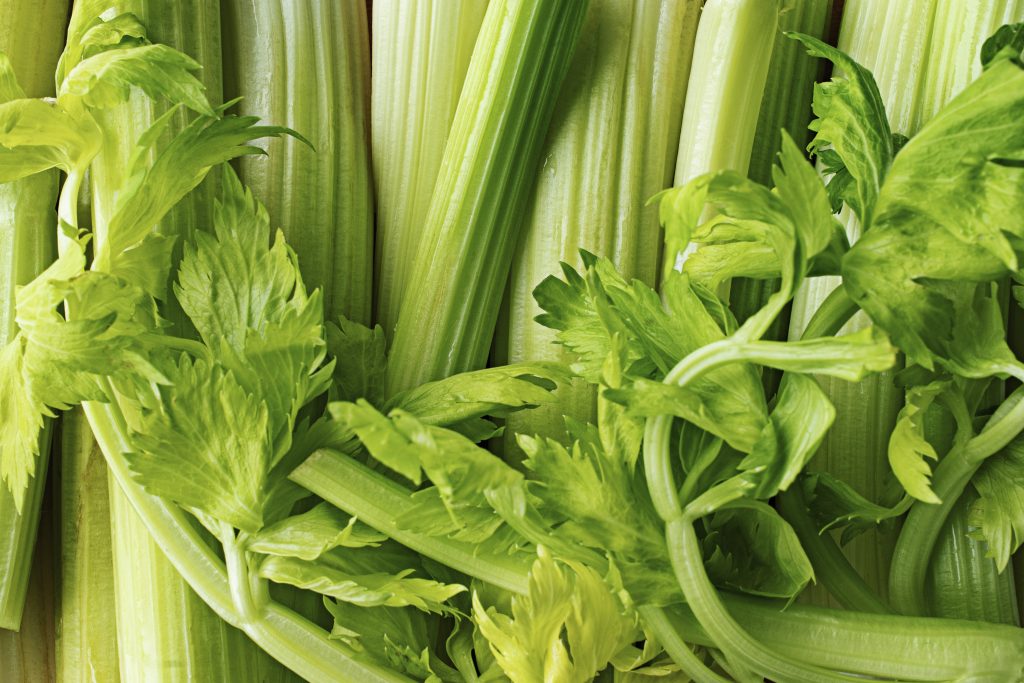
Celery
Celery contains mannitol, a type of sugar alcohol that softens stools to promote regularity.
The root of the vegetable is considered a natural diuretic and increases urine production.
This means it removes excess water and sodium from your body, which can help alleviate bloating.
https://www.ncbi.nlm.nih.gov/pmc/articles/PMC5871295/
Kombucha
Kombucha is a type of fermented beverage typically made from black or green tea.
Like other fermented foods, it’s rich in probiotics and can promote gut health and regularity.
It can also keep you hydrated and squeeze more inflammation-fighting antioxidants into your daily diet to help beat bloating.
https://pubmed.ncbi.nlm.nih.gov/31296969/
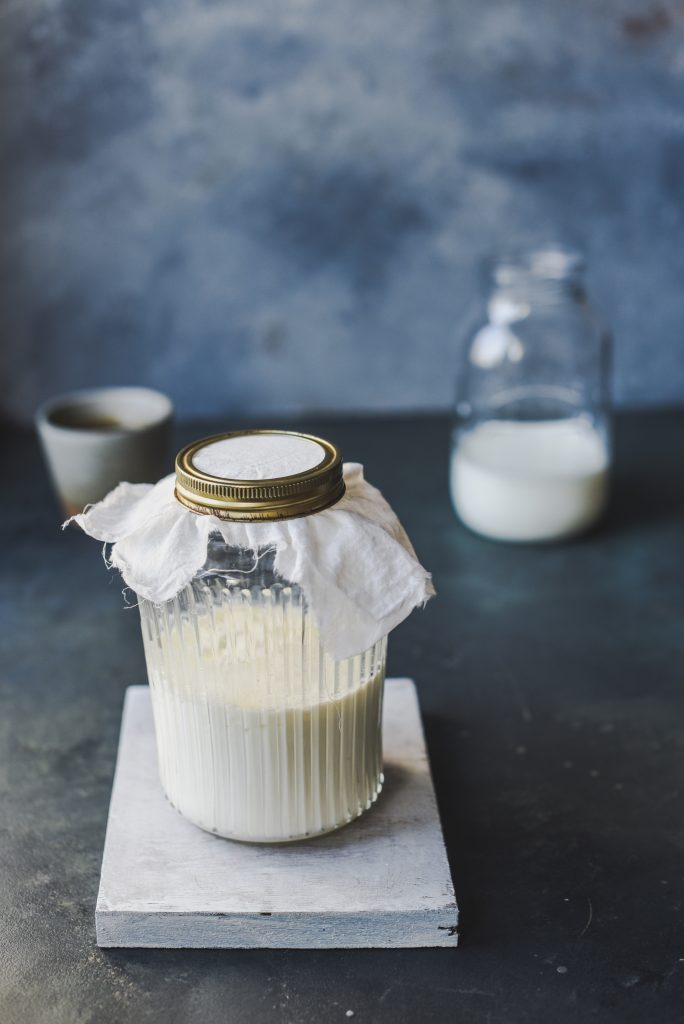
Kefir
Some studies say drinking kefir, a fermented yogurt-like beverage, takes away stomach gas by as much as 70%.
Kefir helps break down the sugar in milk that can lead to bloating and pain.
https://pharmacologyonline.silae.it/files/newsletter/2011/vol1/034.gaware.pdf
Asparagus
Asparagus is a great source of fiber, it also contains a good amount of inulin, a type of prebiotic fiber found in a variety of foods.
Studies show that inulin may support gut health and increase regularity, which may help prevent bloating and constipation
https://www.ncbi.nlm.nih.gov/pmc/articles/PMC7579772/
Disclaimer: The advice provided is intended for informational purpose only and does not substitute for professional medical advice. Consult with your doctor if you’re seeking medical advice, diagnoses, or treatment.

Health Vectors
1st Floor
966, 27th Main, 8th Cross
Sector 1, HSR Layout
Bangalore 560102
(Behind Pai International)