Health Vectors
1st Floor
966, 27th Main, 8th Cross
Sector 1, HSR Layout
Bangalore 560102
(Behind Pai International)


Gluten is a group of proteins found in certain grains, such as wheat, rye, and barley. Although gluten is safe for most people, those with conditions like celiac disease or gluten sensitivity should avoid it to prevent adverse health effects.
Continue reading the list of gluten free foods.
Whole Grains
A select few whole grains contain gluten, while the rest are naturally gluten-free. It’s important to check food labels when purchasing whole grains. Even gluten-free whole grains can be contaminated with gluten, especially if they are processed in the same facility as gluten-containing foods. Examples of gluten free grains include;
Brown Rice
Quinoa
Sorghum (Jowar)
Oats
Finger millet (Ragi)
Amaranth (Rajgira) etc.
** Avoid wheat in all its forms, including sooji, daliya, etc. Barley must also be avoided.
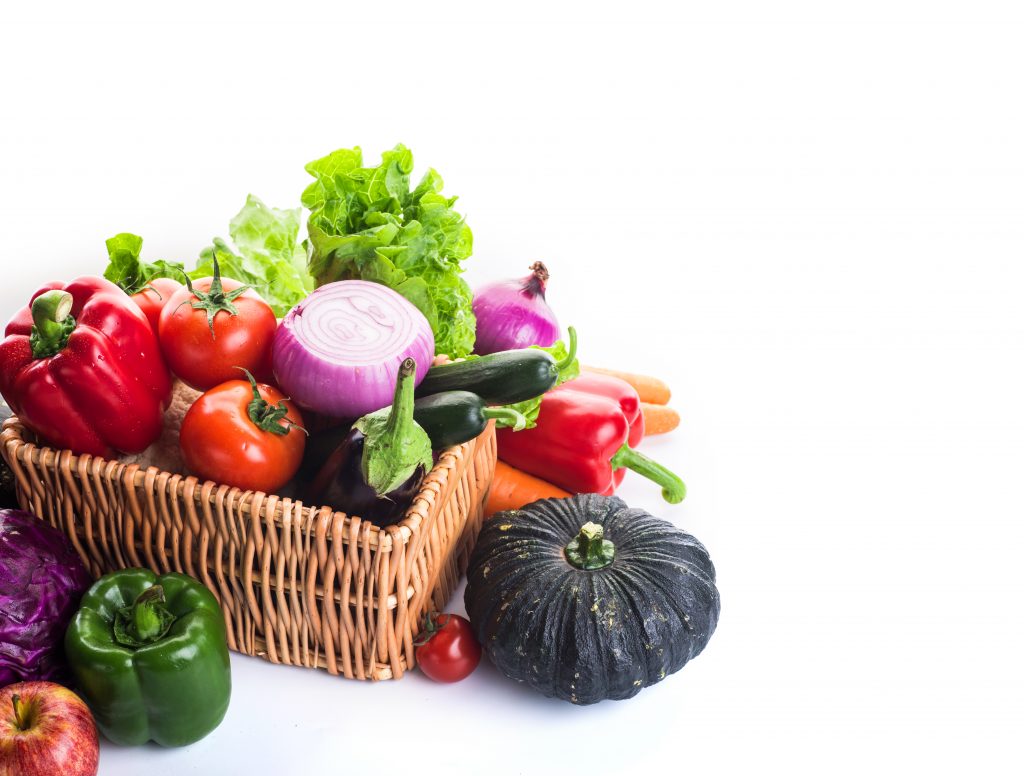
Fruits & vegetables
All fresh fruits and vegetables are naturally gluten-free.
All Citrus fruits
Bananas, apples, peaches
All types of melons
Berries
Cruciferous vegetables, including cauliflower and broccoli
Greens, such as spinach, fenugreek leaves etc.
Starchy vegetables, including potatoes, corn, sweet potato, yam etc.
All types of capsicum & bell peppers
Mushrooms
Root vegetables like onions, carrot, radish etc.
** Processed fruits and vegetables in cans and sauces may contain added flavorings and sauces that contain gluten. Read labels before you consume.
Proteins
Many foods contain protein, including animal and plant-based sources. Most are naturally gluten-free.
legumes (legumes, pulses, dals, peas, peanuts etc.
nuts and seeds
red meat (fresh beef, pork, lamb etc.)
poultry (fresh chicken, turkey etc.)
seafood (fresh fish, shellfish etc.)
**Double check on processed proteins like sausages etc. As they may have gluten-containing ingredients, such as soy sauce, flour, and malt vinegar are often used as fillers or flavorings.
**Also, its better to completely avoid ready to cook/eat proteins as they may be coated with bread-crumbs which contain gluten.
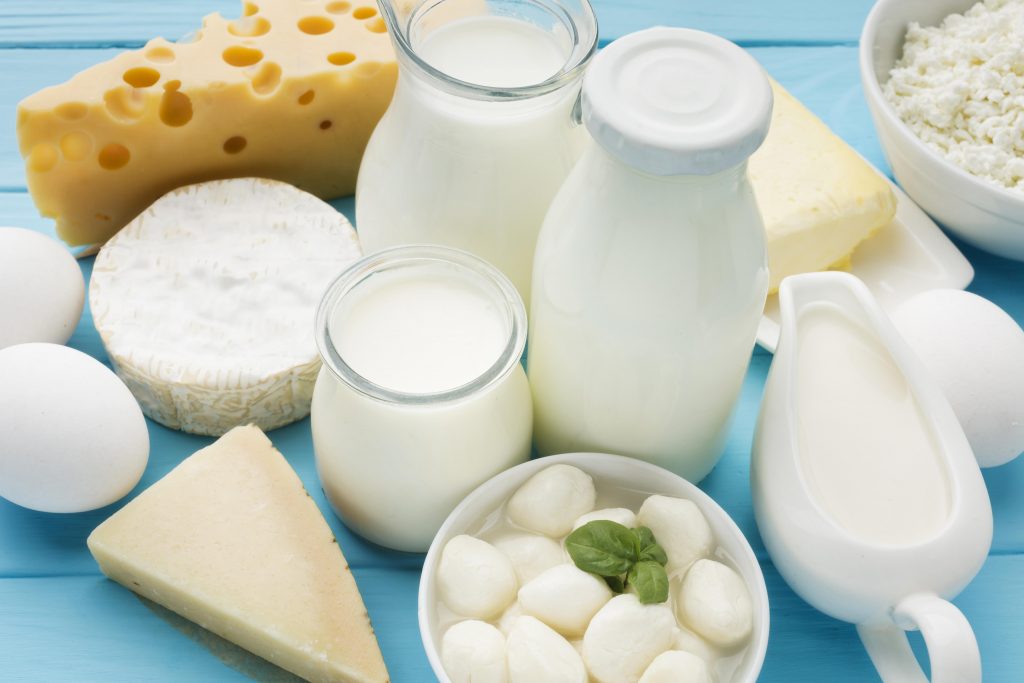
Dairy products
Most dairy products are naturally gluten-free.
milk
butter and ghee
cheese
cream
cottage cheese
sour cream
Yogurt
** However, those that are flavored and contain additives should always be double-checked for gluten. Double check dairy products like flavored milk, yogurts, ice creams etc. as they are sometimes mixed with additives that contain gluten.
Fats & oils
Fats and oils are naturally gluten-free.
butter and ghee
olives and olive oil
avocados and avocado oil
coconut oil
vegetable and seed oils, including sesame oil, canola oil, and sunflower oil
**In some cases, additives that contain gluten may be mixed with fats and oils for flavor and thickening. This can include cooking sprays and oils with added flavors or spices.
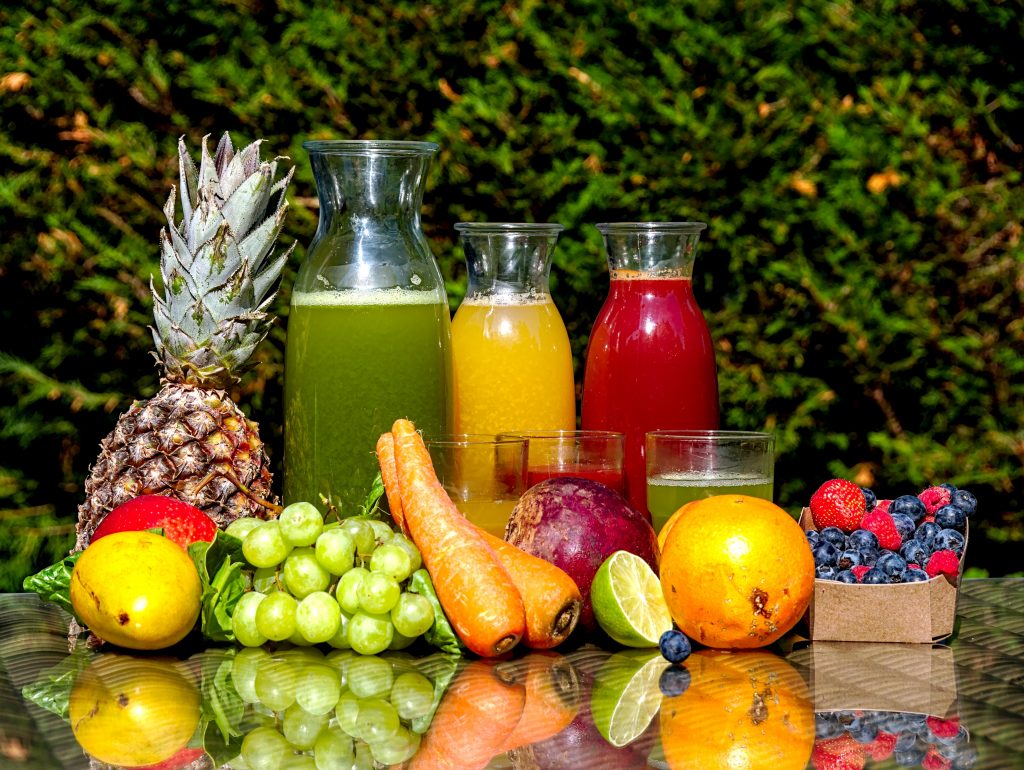
Beverages
There are several types of gluten-free beverages for you to enjoy.
water
100% fruit juice
coffee
tea
some alcoholic beverages, including wine
sports drinks, soda, and energy drinks
Lemonade
**However, some beverages are mixed with additives that contain gluten. Additionally, some alcoholic beverages are made with malt, barley, and other gluten-containing grains and should be avoided on a gluten-free diet. These include beers, ales, and lagers made from gluten-containing grains.
Spice, sauces & condiments
Spices, sauces, and condiments often contain gluten but are commonly overlooked.
Although most spices, sauces, and condiments are naturally gluten-free, gluten-containing ingredients are sometimes added to them as emulsifiers, stabilizers, or flavor enhancers.
These can be found in common condiments like tomato ketchup, salad dressings, mayonnaise etc.
**Always read the labels to be double sure.
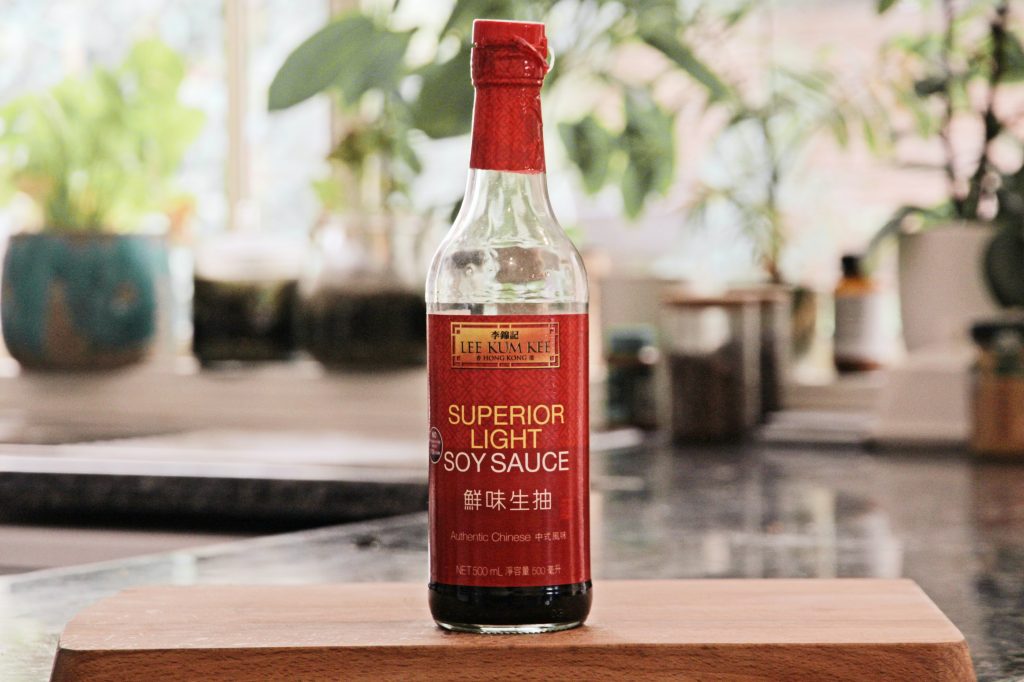
Ingredients to look out for
Here is a list of ingredients and food additives that may indicate that an item contains gluten.
modified food starch and maltodextrin (if made from wheat, it will be specified on the label)
malt-based ingredients, including malt vinegar, malt extract, and malt syrup
gluten stabilizer
soy or teriyaki sauce
wheat-based ingredients, such as wheat protein and wheat flour
emulsifiers (will be specified on the label)
In conclusion
Many healthy foods are naturally gluten-free, including fruits, vegetables, legumes, certain whole grains, dairy products, and oils.
Gluten is often added to foods that you wouldn't expect, so double-check ingredient labels for extra protection against it.
Nevertheless, if you focus on eating mostly fresh, whole, gluten-free foods and a minimal amount of processed foods, you will have no problem following a gluten-free diet.

Health Vectors
1st Floor
966, 27th Main, 8th Cross
Sector 1, HSR Layout
Bangalore 560102
(Behind Pai International)