Health Vectors
1st Floor
966, 27th Main, 8th Cross
Sector 1, HSR Layout
Bangalore 560102
(Behind Pai International)

What is hypertension?
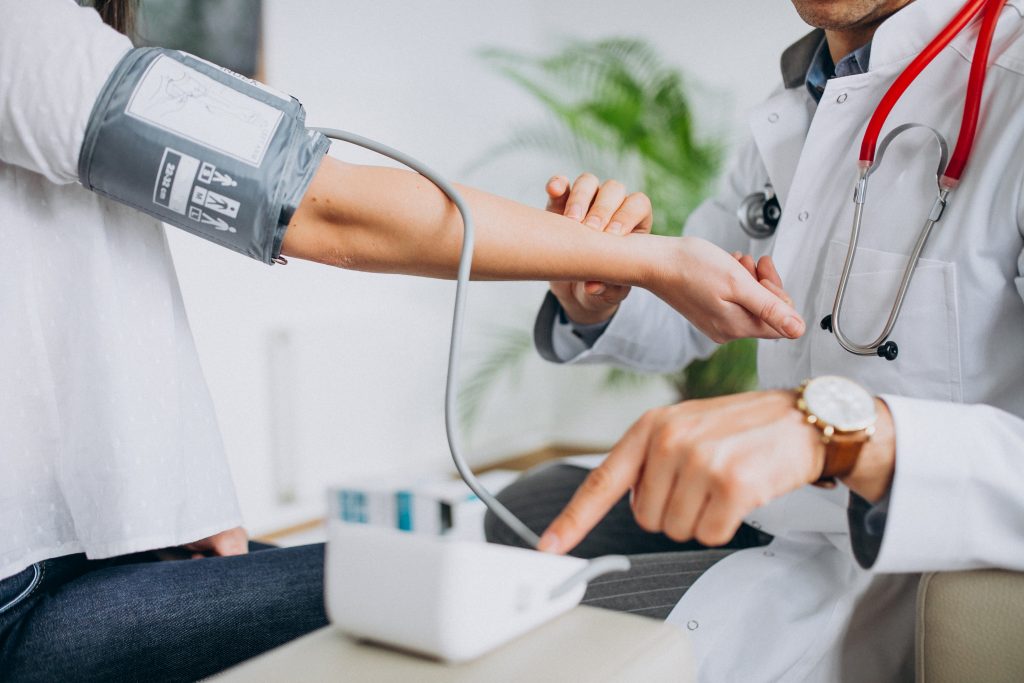
Blood pressure is the force exerted by circulating blood against the walls of the body’s arteries, the major blood vessels in the body.
Hypertension is another name for high blood pressure.
It can lead to severe health complications and increase the risk of heart disease, stroke, and sometimes death.
Diagnosis
Blood pressure is written as two numbers.
*The first (systolic) number represents the pressure in blood vessels when the heart contracts or beats.
*The second (diastolic) number represents the pressure in the vessels when the heart rests between beats.
According to WHO, hypertension is diagnosed if, when it is measured on two different days, the systolic blood pressure readings on both days is ≥140 mmHg and/or the diastolic blood pressure readings on both days is ≥90 mmHg.
Which number is more important?
Typically, more attention is given to systolic blood pressure (the first number) as a major risk factor for cardiovascular disease for people over 50.
In most people, systolic blood pressure rises steadily with age due to the increasing stiffness of large arteries, long-term buildup of plaque and an increased incidence of cardiac and vascular disease.
However, either an elevated systolic or an elevated diastolic blood pressure reading may be used to make a diagnosis of high blood pressure.
According to recent studies, the risk of death from ischemic heart disease and stroke doubles with every 20 mm Hg systolic or 10 mm Hg diastolic increase among people from age 40 to 89.
Reference

Types of hypertension
You can be diagnosed with one of two types of high blood pressure:
Primary, or essential, high blood pressure is the most common type of high blood pressure. For most people who get this kind of blood pressure, it develops over time as you get older. Secondary high blood pressure is caused by another medical condition or use of certain medicines. It usually gets better after you treat that condition or stop taking the medicines that are causing it.
Hypertension in pregnancy
Hypertension occurs in approximately 8–10% of pregnancies.
High blood pressure in pregnancy can be classified as pre-existing hypertension, gestational hypertension, or pre-eclampsia.
Pre-eclampsia is a serious condition of the second half of pregnancy and following delivery characterized by increased blood pressure and the presence of protein in the urine.
Usually there are no symptoms in pre-eclampsia, and it is detected by routine screening.
When symptoms of pre-eclampsia occur the most common are headache, visual disturbance (often "flashing lights"), vomiting, pain over the stomach, and swelling.

Symptoms of hypertension
Hypertension is called a "silent killer".
Most people with hypertension are unaware of the problem because it may have no warning signs or symptoms. For this reason, it is essential that blood pressure is measured regularly.
When symptoms do occur, they can include early morning headaches, nosebleeds, irregular heart rhythms, vision changes, and buzzing in the ears.
Severe hypertension can cause fatigue, nausea, vomiting, confusion, anxiety, chest pain, and muscle tremors.
Causes of hypertension
Primary (essential) hypertension
For most adults, there's no identifiable cause of high blood pressure.
This type of high blood pressure, called primary (essential) hypertension, tends to develop gradually over many years.
Causes of hypertension
Secondary hypertension has specific causes and is a complication of another health problem.
Chronic kidney disease (CKD) is a common cause of high blood pressure, as the kidneys no longer filter out fluid. This excess fluid leads to hypertension. Hypertension can also cause CKD.
Other conditions that can lead to hypertension include:
*Obstructive sleep apnea
*Adrenal gland tumors
*Thyroid problems
*Certain defects you're born with (congenital) in blood vessels
*Certain medications, such as birth control pills, cold remedies, decongestants, over-the-counter pain relievers and some prescription drugs
*Illegal drugs, such as cocaine and amphetamines
Risk factors for hypertension
High blood pressure has many risk factors, including:
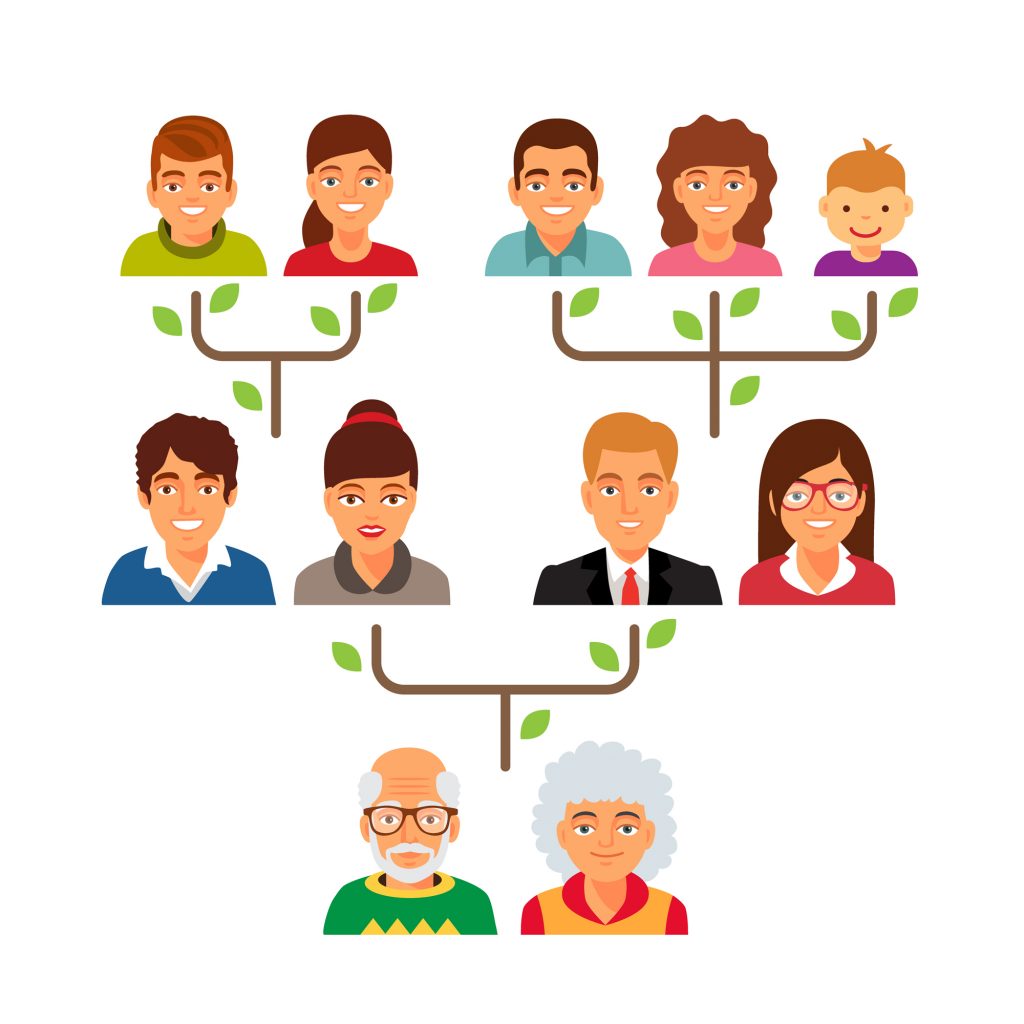
*Family History.
*Age.
*Being overweight or obese.
*Not being physically active
*Using tobacco.
*Too much salt (sodium) in your diet.
*Too little potassium in your diet.
*Drinking too much alcohol
*Stress
*Certain chronic conditions
Complications
Hypertension can cause serious damage to the heart. Excessive pressure can harden arteries, decreasing the flow of blood and oxygen to the heart. This elevated pressure and reduced blood flow can cause:
*Chest pain, also called angina.
*Heart attack, which occurs when the blood supply to the heart is blocked, and heart muscle cells die from lack of oxygen. The longer the blood flow is blocked, the greater the damage to the heart.
*Heart failure, which occurs when the heart cannot pump enough blood and oxygen to other vital body organs.
*Irregular heartbeat which can lead to a sudden death.
Hypertension can also burst or block arteries that supply blood and oxygen to the brain, causing a stroke.
In addition, hypertension can cause kidney damage, leading to kidney failure.
How can the risk of hypertension be reduced?
Reducing hypertension prevents heart attack, stroke, and kidney damage, as well as other health problems.
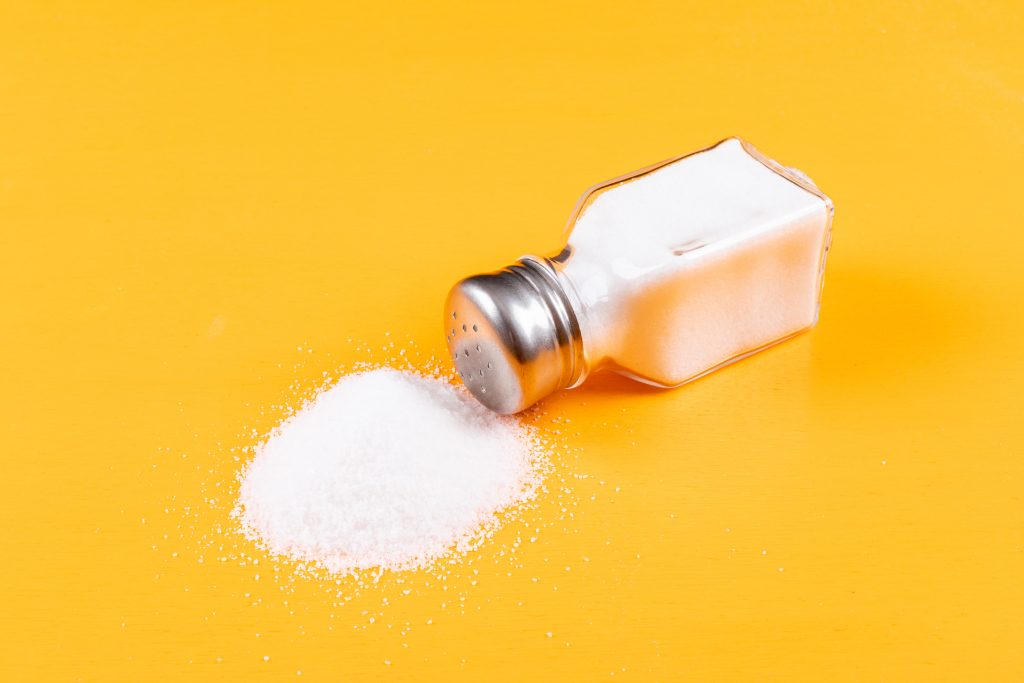
*Reducing salt intake (to less than 5g daily).
*Eating more fruit and vegetables.
*Being physically active on a regular basis.
*Avoiding use of tobacco.
*Reducing alcohol consumption.
*Limiting the intake of foods high in saturated fats.
*Eliminating/reducing trans fats in diet.
Hypertension management
Steps to manage hypertension once you are diagnosed with it.
*Reducing and managing stress.
*Regularly checking blood pressure.
*Treating high blood pressure.
*Managing other medical conditions.
Disclaimer: The advice provided is intended for informational purpose only and does not substitute for professional medical advice. Consult with your doctor if you’re seeking medical advice, diagnoses, or treatment.

Health Vectors
1st Floor
966, 27th Main, 8th Cross
Sector 1, HSR Layout
Bangalore 560102
(Behind Pai International)