Health Vectors
1st Floor
966, 27th Main, 8th Cross
Sector 1, HSR Layout
Bangalore 560102
(Behind Pai International)


Alcoholic liver disease is caused as a result of excessive alcohol intake for a long duration.
The quantity of alcohol to cause liver disease may vary for individuals and same is the duration of intake.
The symptoms usually only show when the organ has been severely damaged.
It’s important to recognize these signs as repeated damage can lead to cirrhosis – permanent scarring of the liver.
One way to avoid the condition developing in the first place is to avoid drinking regularly.
Stages of ARDL
There are three stages of alcohol related liver disease including the following:
Fatty liver (Stage I) which occurs after acute alcohol ingestion, is generally reversible with abstinence and is not believed to predispose to any chronic form of liver disease if abstinence or moderation is maintained.
Alcoholic hepatitis (Stage II) is an acute form of alcohol-induced liver injury that occurs with the consumption of a large quantity of alcohol over a prolonged period.
Alcoholic cirrhosis (Stage III) is the destruction of normal liver tissue, leaving non-functioning scar tissue.
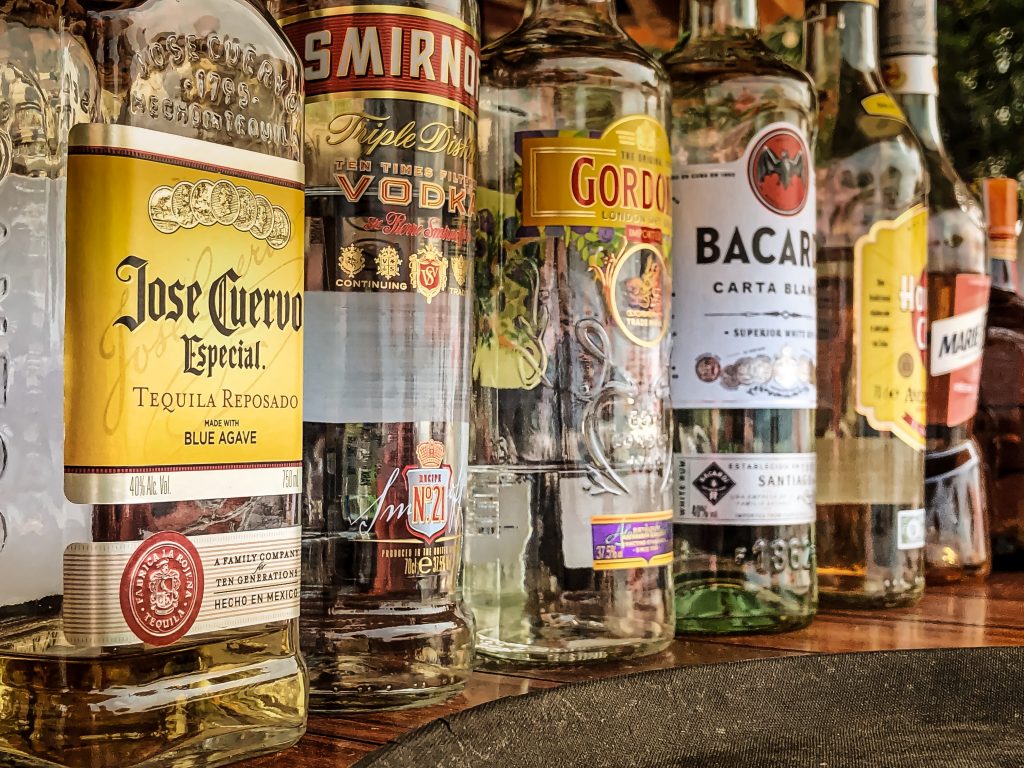
Causes of ARDL
Alcohol-related liver disease (ARLD) is caused by drinking too much alcohol. The more you drink above the recommended limits, the higher your risk of developing ARLD.
There are 2 ways alcohol misuse (drinking too much) can cause ARLD.
Drinking a large amount of alcohol in a short amount of time (binge drinking) can cause fatty liver disease and, less commonly, alcoholic hepatitis
Drinking more than the recommended limits of alcohol over many years can cause hepatitis and cirrhosis, the more serious types of ARLD.
Symptoms of ARDL
Early symptoms include
*Abdominal pain
*Loss of appetite
*Fatigue
*Feeling sick
*Diarrhoea
*Feeling generally unwell
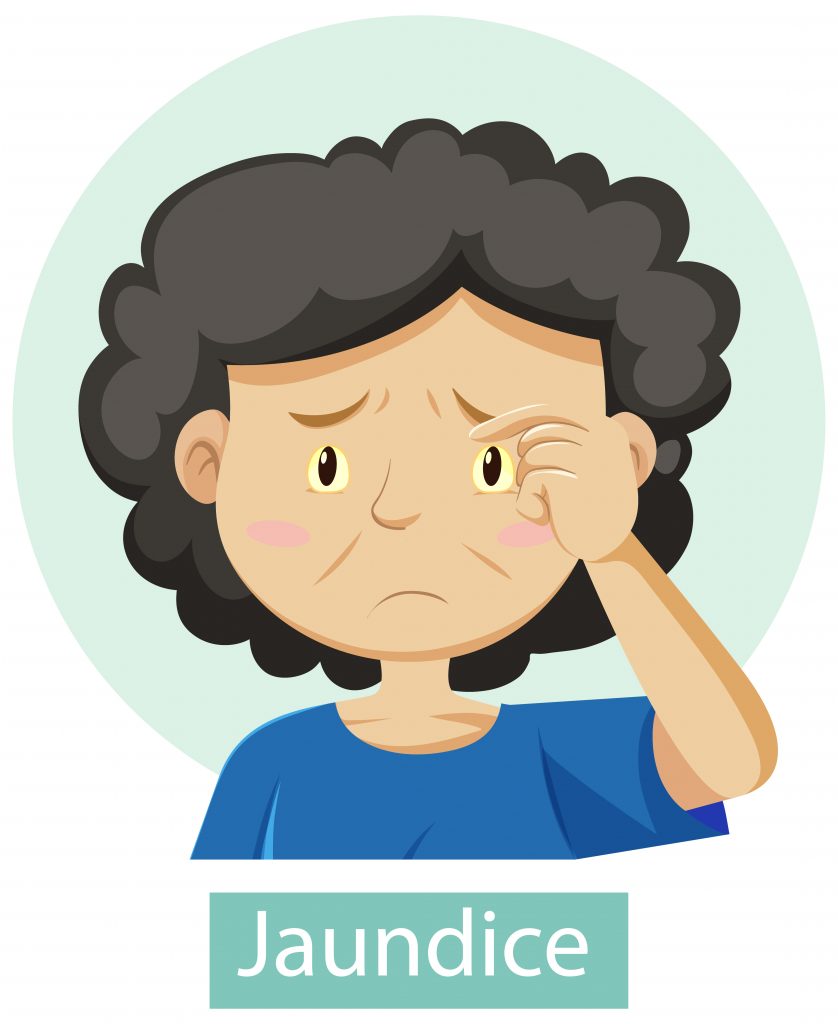
Symptoms of ARLD
As the liver becomes more severely damaged, more obvious and serious symptoms can develop, such as:
*Yellowing of the skin and whites of the eyes (jaundice)
*Swelling in the legs, ankles and feet caused by a build-up of fluid (oedema)
*Swelling in your abdomen caused by a build-up of fluid known as ascites
*A high temperature (fever) and shivering attacks
*Very itchy skin
*Hair loss
*Unusually curved fingertips and nails (clubbed fingers)
*Blotchy red palms
*Significant weight loss
*Weakness and muscle wasting
*Increased sensitivity to alcohol and drugs because the liver cannot process them
Diagnosis of ARDL
If a doctor suspects ARLD, they'll usually arrange a blood test to check how well your liver is working. They may also ask about your alcohol consumption.
Your doctor will do a physical exam to look for:
*An enlarged liver or spleen
*Swollen abdomen, as a result of too much fluid
*Reddened palms
*Red spider-like blood vessels on the skin
*Widened veins in the abdomen wall
*Yellow eyes or skin (jaundice)
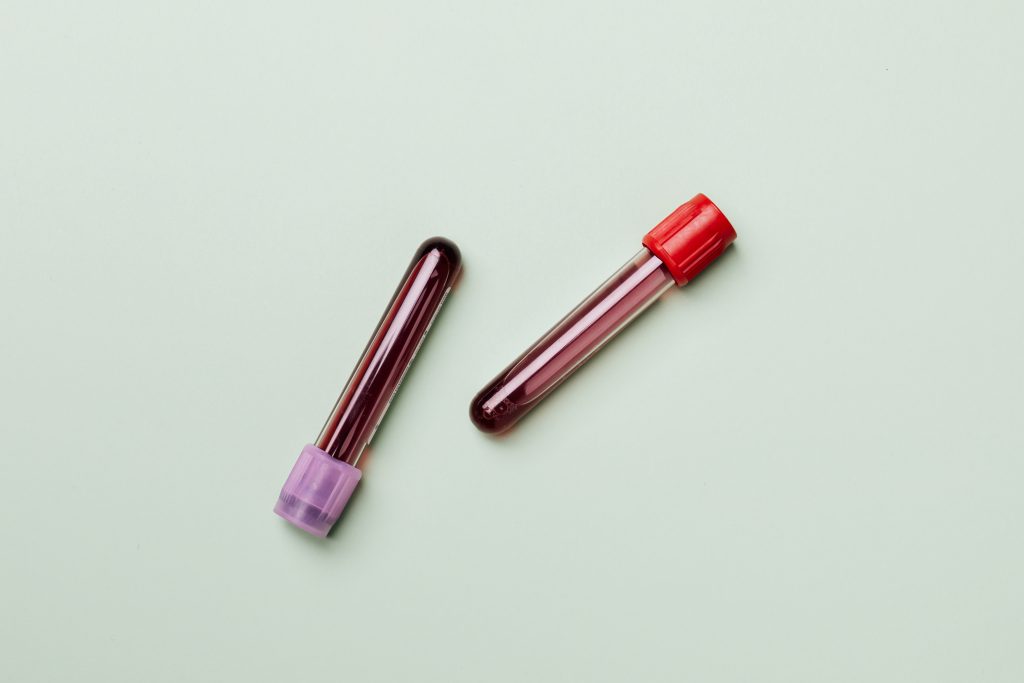
Diagnosis of ARDL
Some of the blood tests you may have to include:
*Complete blood count (CBC)
*Liver function tests
*Coagulation studies
*Liver biopsy
Tests to rule out other diseases include:
*Abdominal CT scan
*Blood tests for other causes of liver disease
*Ultrasound of the abdomen
*Ultrasound elastography
Treatment of ARDL
Liver Transplant
In the most serious cases of ARLD, the liver loses its ability to function, leading to liver failure.
A liver transplant is currently the only way to cure irreversible liver failure.
A liver transplant may be considered if:
*You develop progressive liver failure, despite not drinking alcohol
*You're otherwise well enough to survive such an operation
*You commit to not drinking alcohol for the rest of your life

Treatment of ARDL
*Successful treatment for alcohol-related liver disease (ARLD) often depends on whether someone is willing to stop drinking alcohol and make changes to their lifestyle.
*If you have a more serious form of ARLD (alcoholic hepatitis or cirrhosis) lifelong abstinence is recommended.
*This is because stopping drinking is the only way to prevent your liver damage getting worse and potentially stop you dying of liver disease.
*Nevertheless, if you have alcohol-related cirrhosis or alcoholic hepatitis and do not stop drinking, no medical or surgical treatment can prevent liver failure.

Who is at risk for ARDL
Alcoholic liver disease is more likely to develop if people;
Drink large amounts of alcohol- Generally, the more and the longer people drink, the greater their risk of alcoholic liver disease.
Have been drinking a long time (usually, for more than 8 years)
Are women- Risk may be increased in women because their digestive system may be less able to process alcohol, thus increasing the amount of alcohol reaching the liver.
Have a genetic makeup that makes them susceptible to alcoholic liver disease
Are obese- Obesity makes people more vulnerable to liver damage by alcohol.

Complications associated with ARLD
Several serious complications can develop if you have alcohol-related liver disease (ARLD).
*Bleeding disorders (coagulopathy)
*Build-up of fluid in the abdomen (ascites) and infection of the fluid (bacterial peritonitis)
*Enlarged veins in the oesophagus, stomach, or intestines that bleed easily (oesophageal varices)
*Increased pressure in the blood vessels of the liver (portal hypertension)
*Kidney failure (hepatorenal syndrome)
*Liver cancer (hepatocellular carcinoma)
*Mental confusion, change in the level of consciousness, or coma (hepatic encephalopathy)
Prevention of ARDL
You might reduce your risk of alcohol related liver disease if you:
Drink alcohol in moderation, if at all. For healthy adults, moderate drinking means up to one drink a day for women of all ages and up to two drinks a day for men. The only certain way to prevent alcoholic hepatitis is to avoid all alcohol.
Protect yourself from hepatitis C. Hepatitis C is an infectious liver disease caused by a virus. Untreated, it can lead to cirrhosis. If you have hepatitis C and drink alcohol, you're far more likely to develop cirrhosis than if you didn't drink.

Diet & Management of ARLD
The first step in treating and managing any level of alcoholic liver disease focuses on removing alcohol from the diet.
Dietary changes for liver disease may involve:
Cutting down the amount of animal protein you eat. This will help limit the build-up of toxic waste products.
Increasing your intake of carbohydrates to be in proportion with the amount of protein you eat.
Eat fruits and vegetables and lean protein such as legumes, poultry, and fish. Avoid uncooked shellfish.
Taking vitamins and medicines prescribed by your health care provider for low blood count, nerve problems, or nutritional problems from liver disease.
Limiting your salt intake. Salt in the diet may worsen fluid build-up and swelling in the liver.
Disclaimer: The advice provided is intended for informational purpose only and does not substitute for professional medical advice. Consult with your doctor if you’re seeking medical advice, diagnoses, or treatment.

Health Vectors
1st Floor
966, 27th Main, 8th Cross
Sector 1, HSR Layout
Bangalore 560102
(Behind Pai International)