Health Vectors
1st Floor
966, 27th Main, 8th Cross
Sector 1, HSR Layout
Bangalore 560102
(Behind Pai International)

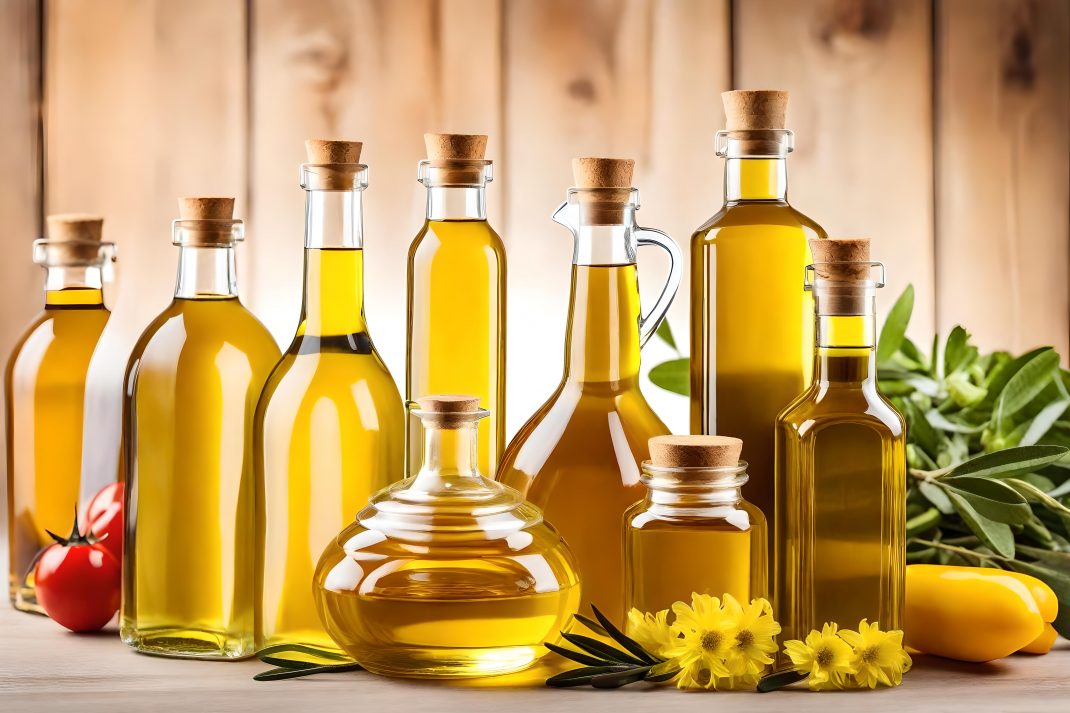
When you’re cooking at a high heat, you want to use oils that are stable and don’t oxidize or go rancid easily.
When oils undergo oxidation, they react with oxygen to form free radicals and harmful compounds that you definitely don’t want to be consuming.
The most important factor in determining an oil’s resistance to oxidation and rancidification, both at high and low heat, is the relative degree of saturation of the fatty acids in it. Thus according to their chemical structure they are classified into:
Saturated Fats: Saturated fats have only single bonds in the fatty acid molecules. They’re solid at room temperature .Examples: Ghee, butter, lard, shortening. They are stable and do not oxidize at high heat.
Monounsaturated Fat: They have one double bond in the fatty acid molecules. They’re liquid at room temperature but become semi-solid (or cloudy) in the refrigerator. Examples: olive oil, rice bran oil, peanut oil
Polyunsaturated Fats: They have two or more double bonds. They’re always liquid—even if you put them in the fridge Examples: canola oil, sunflower oil, walnut oil.
PUFA are further classified into "Omega-6" and "omega-3".Although both omega-6 and omega-3 fats are essential for good health, omega-3s also have additional heart-healthy and anti-inflammatory benefits. Ideally a ratio of 1:1 should be maintained for omega6:omega3.
These double bonds are chemically reactive and sensitive to heat. Oils high in polyunsaturated fats should be avoided for cooking.
Olive oil is well known for its heart-healthy effects. It helps raise HDL (the good) cholesterol and lower the amount of oxidized LDL cholesterol in the blood.
Fatty Acid Breakdown:
Extra Virgin Olive Oil has much more nutrients and antioxidants than the refined type and also it tastes much better. Extra virgin olive oil is a good option for meals that don’t require much heating, for example, when it is used as a salad dressing or to dip bread in. But it has lower smoke point than. Pure olive oil or Light olive oil which are more suitable for cooking as it is fairly resistant to the heat.
Keep your olive oil in a cool, dry, dark place, to prevent it from going rancid.
Rice bran oil is the oil extracted from the hard outer brown layer of rice after chaff (rice husk).
Fatty Acid Breakdown:
Rice Bran Oil is high in two unusual compounds called oryzanol and tocotrienols. Other oils don't have much - if any - of these two.
It is notable for its high smoke point of 232 °C (450 °F) and its mild flavor, making it suitable for high-temperature cooking methods such as stir frying and deep frying.
Canola oil is derived from rapeseeds, but the euric acid (a toxic, bitter substance) has been removed from it.
Fatty Acid Breakdown:
The fatty acid breakdown of canola oil is fairly good most of the fatty acids monounsaturated, then containing Omega-6 and Omega-3 in a 2:1 ratio, which is perfect.
However, canola oil needs to go through very harsh processing methods before it is turned into the final product and involves the toxic solvent hexane (among others) making it almost unfit for human consumption.
Peanut oil, also known as groundnut oil or arachis oil, is a mild-tasting vegetable oil derived from peanuts.
Fatty Acid Breakdown:
Peanut oil contains valuable amounts of anti-oxidant vitamin E. 100 g fresh oil has 15.69 mg of alpha-tocopherol and 15.91 mg of gamma-tocopherol. Vitamin E is a powerful lipid soluble antioxidant, required for maintaining the integrity of cell membrane of mucus membranes and skin by protecting it from harmful oxygen-free radicals.
Peanut oil has a high smoke point (225 ⁰C and 437 ⁰F ) and neutral taste which makes it perfect for high-temperature cooking methods such as stir frying and deep frying. Peanut oil is very stable, with a shelf life of up to 1 year after opening.
Coconut oil, is an edible oil extracted from the kernel or meat of mature coconuts. Over 90% of the fatty acids in it are saturated, which makes it very resistant to heat.
Fatty Acid Breakdown:
Most of the fatty acids in it are of medium length, so-called Medium Chain Triglycerides (MCTs) of which most abundant fatty acid is the 12-carbon Lauric acid.
Medium chain triglycerides are the perfect fats for weight loss, because they can increase satiety and boost metabolism compared to other fats.
Additionally, the Lauric Acid has been proven to have antimicrobial properties and is an efficient killer of pathogens like bacteria, viruses and fungi.
This oil is semi-solid at room temperature and it can last for months and years without going rancid. It has high smoke point (177 ⁰C and 351 ⁰F ) makes it good choice for high-temperature cooking methods such as stir frying and deep frying.
Coconut oil can create a favorable total blood cholesterol profile which can lead to improvements in cardiac risk factors but should be used in moderation and should not exceed the total calories needed from fat as it raises both HDL(good cholesterol) and LDL(bad cholesterol) .
Butter was also demonized in the past due to its saturated fat content.
Fatty Acid Breakdown:
However Real butter or ghee is good for you and actually fairly nutritious.
Ghee poses no danger to cardiac health as long as the total fat intake remains restricted to the prescribed limit and should not exceed the total calories needed from fat. Cow ghee is rich in Conjugated Linoleic Acid (CLA) and Butyrate, both of which have powerful health benefits. CLA may lower body fat percentage in humans and butyrate can fight inflammation, improve gut health and has been shown to make rats completely resistant to becoming obese. Cow ghee enhances the availability of enzymes responsible for detoxification of cancer-causing substances and decreases the availability of those responsible for activation of carcinogens. Choose butter or ghee from grass-fed cows. This butter contains more Vitamin K2, CLA and other nutrients, compared to butter from grain-fed cows
Fish oil is very rich in the animal form of Omega-3 fatty acids, which are DHA and EPA. A tablespoon of fish oil can satisfy your daily need for these very important fatty acids.
The best fish oil is cod fish liver oil, because it is also rich in Vitamin D3, which a large part of the world is deficient in.
However, due to its high concentration of polyunsaturated fats, fish oil should never be used for cooking. It’s best used as a supplement, one tablespoon per day. Keep in a cool, dry and dark place.
Flax oil contains lots of the plant form of Omega-3, Alpha Linolenic Acid (ALA).It is a good Omega-3 supplement for vegetarians.
Due to the large amount of polyunsaturated fats, flax seed oil should NOT be used for cooking.
Industrial seed and vegetable are highly processed, refined products that are way too rich in Omega-6 fatty acids. They should be completely avoided in cooking as they go rancid very fast.
New data links these oils with many serious diseases, including heart disease and cancer.
Avoid all of them:
One study also looked at common vegetable oils on food shelves in the U.S. market and discovered that they contain between 0.56 to 4.2% trans fats, which are highly toxic.

Health Vectors
1st Floor
966, 27th Main, 8th Cross
Sector 1, HSR Layout
Bangalore 560102
(Behind Pai International)