Health Vectors
1st Floor
966, 27th Main, 8th Cross
Sector 1, HSR Layout
Bangalore 560102
(Behind Pai International)


Vitamin C, also known as ascorbic acid, is a vital nutrient that plays multiple crucial roles in maintaining overall health. From boosting immunity to promoting healthy skin, this essential vitamin is a powerhouse of benefits. In this blog, we'll explore what vitamin C can do for your health, how much you need, its role in the body, the health benefits it offers, and ways to increase your intake.
Vitamin C is a potent antioxidant that helps protect the body against damage caused by free radicals. It supports the immune system, aids in the absorption of iron from plant-based foods, and contributes to the overall health of skin, teeth, and bones. Vitamin C is also known for its role in wound healing and maintaining cartilage, bones, and teeth.
The recommended daily allowance (RDA) of vitamin C varies by age and gender.
Men - 40 mg per day
Women - 40 mg per day
Pregnant Women - 60 mg per day
Breastfeeding Women - 80 mg per day
Children:
1-3 years: 40 mg/day
4-6 years: 40 mg/day
7-9 years: 40 mg/day
Smokers need an additional 35 mg per day due to the increased oxidative stress from smoking.

Boosts Immunity: Regular intake of vitamin C can significantly boost your immune system. By enhancing the function of immune cells and increasing their ability to fight off pathogens, it helps reduce the severity and duration of common colds. This essential nutrient supports overall immune health and resilience.
Skin Health: Vitamin C is essential for maintaining healthy skin. It stimulates collagen production, which helps keep skin firm and elastic. Additionally, its antioxidant properties protect the skin from UV-induced damage, reducing the risk of premature aging and maintaining a youthful appearance.
Also Read: How to manage your Diabetes with food
Reduces Risk of Chronic Diseases: Vitamin C, renowned for its potent antioxidant properties, plays a crucial role in reducing the risk of chronic diseases. By neutralizing free radicals, it helps prevent oxidative stress, which is linked to the development of heart disease and certain cancers. This protective effect supports overall health and may contribute to a lower incidence of these serious conditions.
Enhances Iron Absorption: Vitamin C enhances iron absorption, which helps prevent iron deficiency anaemia. By boosting the body's ability to absorb iron from plant-based foods, it supports overall blood health and energy levels.
Supports Cardiovascular Health: Vitamin C supports cardiovascular health by helping to lower blood pressure and enhancing the elasticity of blood vessels. This essential nutrient contributes to better circulation and reduced risk of heart disease by strengthening the vascular system and ensuring smoother blood flow.
Also Read : All you need to know - Vitamin D
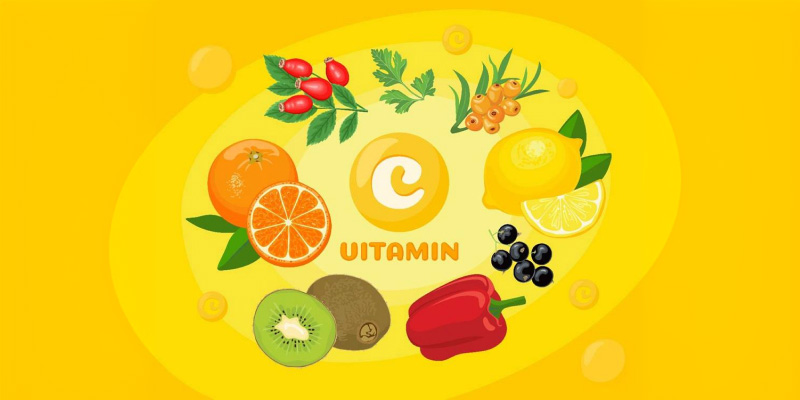
Citrus Fruits: Oranges, lemons, and grapefruits are excellent sources. You can have fresh juice or add lemon juice to dishes.
Guava: Guava is one of the richest sources of vitamin C. Eating it raw or in smoothies can boost your intake.
Papaya: This tropical fruit is high in vitamin C. You can eat it fresh or add it to fruit salads.
Amla: Amla is packed with vitamin C. It can be consumed as a raw fruit, in pickles, or as juice.
Capsicum: Both red and green bell peppers are high in vitamin C. They can be added to salads, curries, or sandwiches.
Tomato: Regular consumption of tomatoes or tomato-based dishes can help increase vitamin C intake.
Green Leafy Vegetables: Spinach, kale, and mustard greens contain vitamin C. Incorporate them into salads or cooked dishes.
Strawberries: They are rich in vitamin C and can be included in fruit salads or desserts.
In conclusion, Vitamin C is an essential nutrient that offers a multitude of health benefits. From boosting immunity to promoting healthy skin and reducing the risk of chronic diseases, its importance cannot be overstated. By understanding how much you need and incorporating vitamin C-rich foods into your diet, you can ensure you're reaping all the benefits this powerhouse vitamin has to offer. So, make vitamin C a part of your daily routine and enjoy better health and vitality.

Health Vectors
1st Floor
966, 27th Main, 8th Cross
Sector 1, HSR Layout
Bangalore 560102
(Behind Pai International)