Health Vectors
1st Floor
966, 27th Main, 8th Cross
Sector 1, HSR Layout
Bangalore 560102
(Behind Pai International)

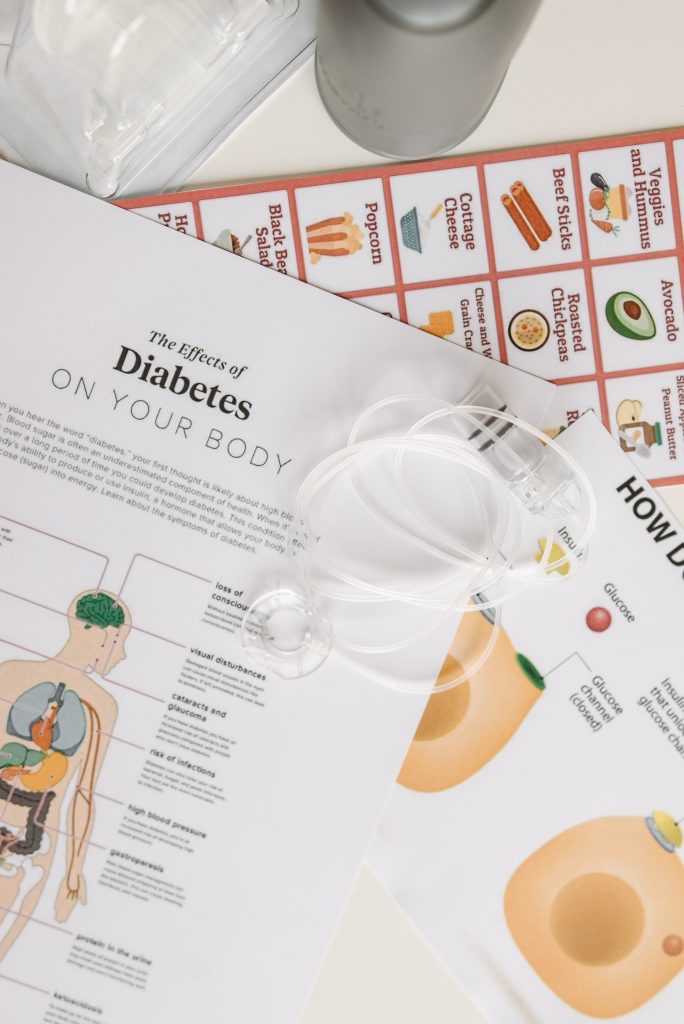
Diet is a major part of maintaining healthy blood sugar levels.
Some foods, including items high in added sugar and refined carbs, can contribute to blood sugar fluctuations.
Others can optimize blood sugar control while promoting overall health.
Apples
Apples contain fiber and plant compounds that may help reduce blood sugar and protect against diabetes.
A study has found that a higher intake of specific fruits, particularly apples, blueberries and grapes, was associated with a significantly lower risk of type 2 diabetes in the UK.
https://www.ncbi.nlm.nih.gov/pmc/articles/PMC3978819/
Lentils
Lentils are rich in nutrients, such as magnesium and fiber, that can help lower blood sugar.
They're particularly high in soluble fiber and resistant starch, which may improve blood sugar response after meals.
Studies have shown that eating lentils can help protect against the development of diabetes.
https://www.ncbi.nlm.nih.gov/pmc/articles/PMC3977406/
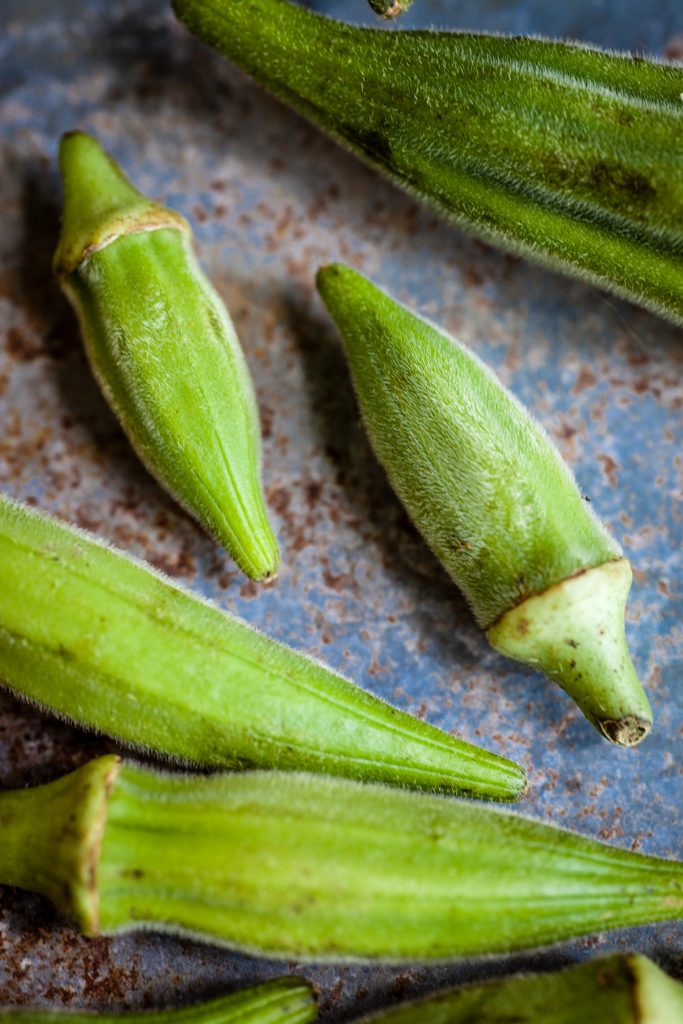
Okra/ lady's finger
Okra is a rich source of blood-sugar-lowering compounds like polysaccharides and flavonoid antioxidants.
Okra contains the flavonoids isoquercitrin and quercetin 3-O-gentiobioside, which help reduce blood sugar by inhibiting certain enzymes.
Flax Seeds
Flax seeds are rich in fiber and healthy fats and well known for their health benefits.
Specifically, flax seeds may help reduce blood sugar levels.
In a study, in people with type 2 diabetes, those who consumed 30 grams of flax seeds with yogurt per day experienced significant reductions in HbA1c, compared with those who consumed plain yogurt.
https://www.ncbi.nlm.nih.gov/pmc/articles/PMC6826058/
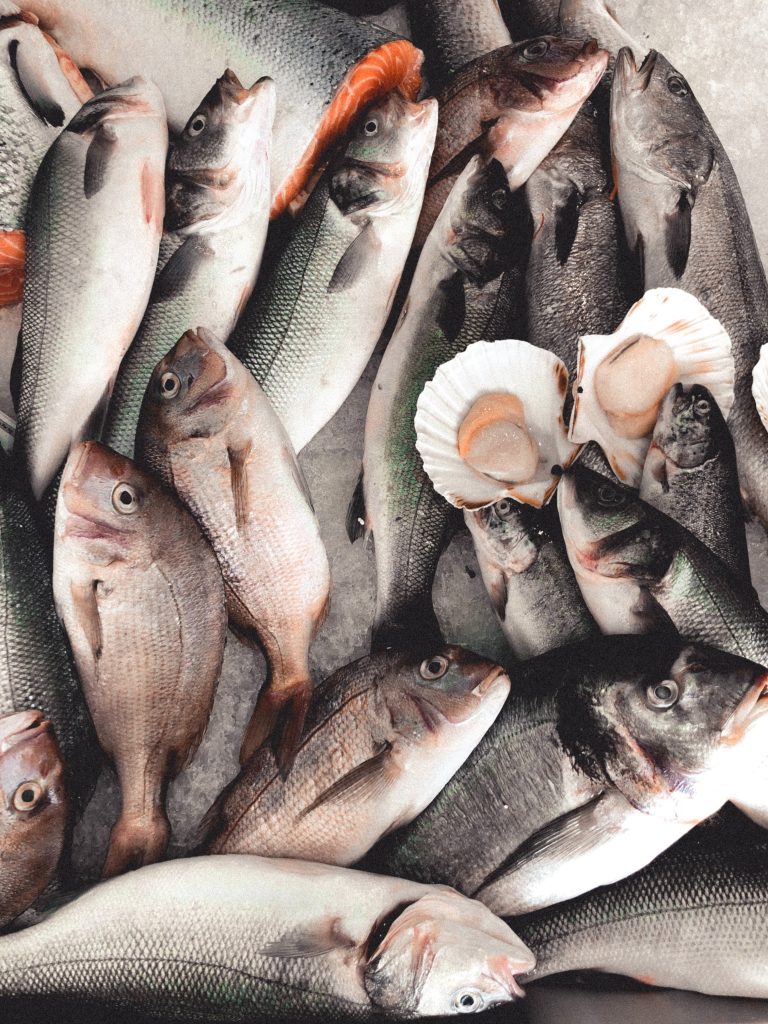
Sea Food
A high intake of fatty fish like salmon and sardines has been shown to help improve blood sugar regulation.
A study found significant improvements in post-meal blood sugar levels for overweight and obese people who ate 750g of fish a week, compared to those who ate lean fish.
https://pubmed.ncbi.nlm.nih.gov/28606215/
Nuts & Nut Butter
Research has shown that eating nuts may be an effective way to help regulate blood sugar levels.
A study of people with type 2 diabetes demonstrated that consuming both peanuts and almonds throughout the day as part of a low carb diet reduced both fasting and post-meal blood sugar levels.
https://www.ncbi.nlm.nih.gov/pmc/articles/PMC6267433/
Eggs
Eggs are an exceptionally nutritious food providing a concentrated source of protein, healthy fats, vitamins and minerals.
Some studies have linked egg consumption to better blood sugar control.
Eating one large egg per day led to a significant 4.4% reduction in fasting blood sugar.
https://pubmed.ncbi.nlm.nih.gov/30073224/
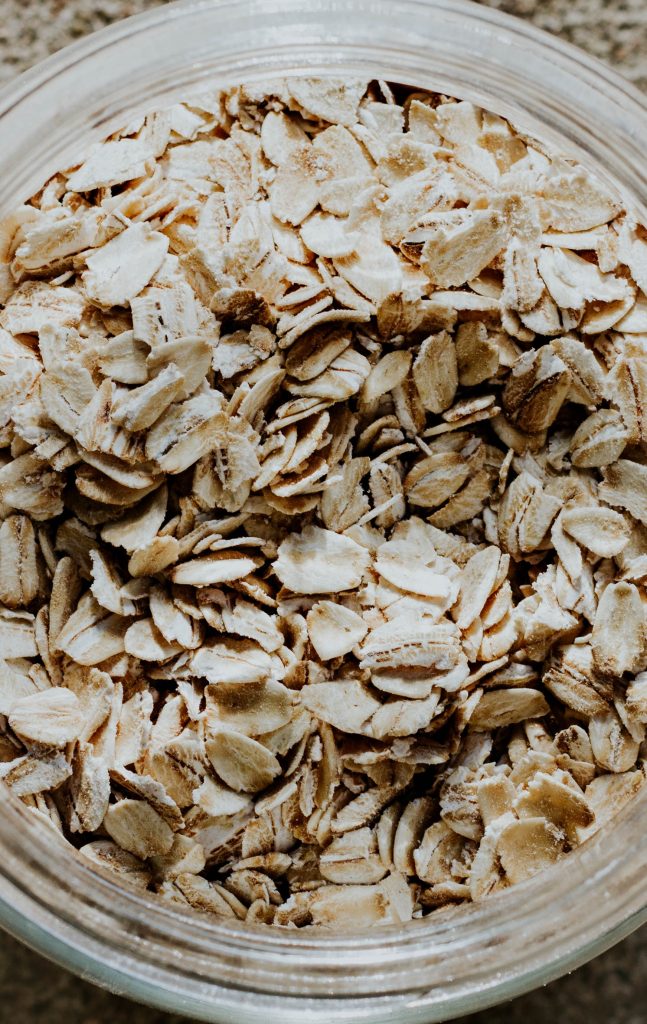
Oats
Including oats in your diet may help improve your blood sugar levels due to their high content of soluble fiber, which has been shown to have significant blood-sugar-reducing properties.
An analysis of 16 studies found that oat intake significantly reduced HbA1c and fasting blood sugar levels, compared with control meals.
https://www.ncbi.nlm.nih.gov/pmc/articles/PMC4690088/
Broccoli
Sulforaphane is a type of plant chemical that has blood-sugar-reducing properties.
Studies have shown that sulforaphane-rich broccoli extract has powerful antidiabetic effects, helping enhance insulin sensitivity and reduce blood sugar and markers of oxidative stress.
Keep in mind that the best way to enhance the availability of sulforaphane is to enjoy broccoli raw or lightly steamed.
https://www.ncbi.nlm.nih.gov/pmc/articles/PMC6566605/
Pumpkin and Pumpkin Seeds
Pumpkin seeds are packed with fiber and antioxidants, it is a great choice for blood sugar regulation.
Pumpkin is used as a traditional diabetic remedy in many countries like Mexico and Iran.
A study found that consuming 65g of pumpkin seeds reduced post-meal blood sugar by up to 35%.
https://pubmed.ncbi.nlm.nih.gov/30055778/
Beans and Legumes
Beans and legumes are rich in nutrients that can help lower blood sugar.
They're high in soluble fiber and resistant starch, which may improve blood sugar response after meals.
A study found that adding beans or chickpeas to a rice meal significantly reduced post-meal blood sugar levels.
https://www.ncbi.nlm.nih.gov/pmc/articles/PMC5691712/
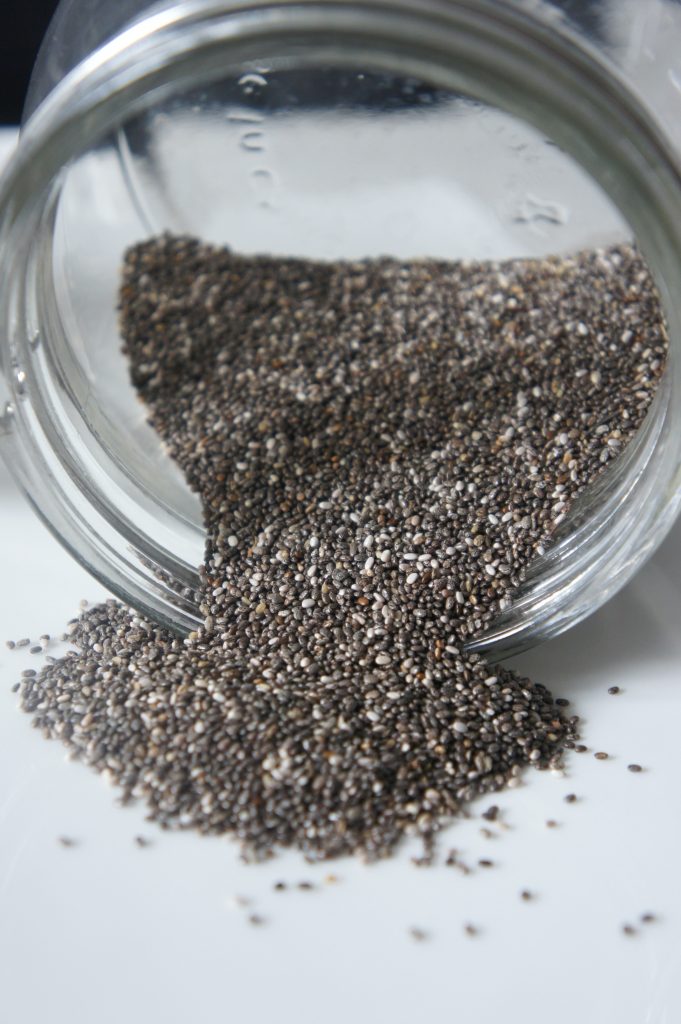
Chia Seeds
Eating chia seeds may help benefit blood sugar control.
Chia seeds have been linked to reductions in blood sugar levels and improvements in insulin sensitivity.
A study in healthy adults showed participants who ate 25g of chia seeds with 5g of a sugar solution had a 39% reduction in their blood sugar, compared to those who consumed the sugar solution alone.
https://pubmed.ncbi.nlm.nih.gov/28000689/
Yogurt
Yogurt may help regulate blood sugar.
Research has linked yogurt intake to improved blood sugar control.
A 4-week study demonstrated that consuming 150 grams of yogurt daily improved post-meal insulin and blood sugar levels, compared with their baseline.
https://www.ncbi.nlm.nih.gov/pmc/articles/PMC6316314/
Avocado
Avocado may offer significant benefits for blood sugar regulation.
Numerous studies have found that avocados may help reduce blood sugar levels and protect against the development of metabolic syndrome, which is a cluster of conditions, including high blood pressure and high blood sugar, that increases chronic disease risk.
Berries
Berries are loaded with fiber, vitamins, minerals, and antioxidants, and they make an excellent choice for people with blood sugar management issues.
Studies have shown that strawberries, blueberries, and blackberries may benefit blood sugar management by enhancing insulin sensitivity and improving glucose clearance from the blood.
https://pubmed.ncbi.nlm.nih.gov/27916833/
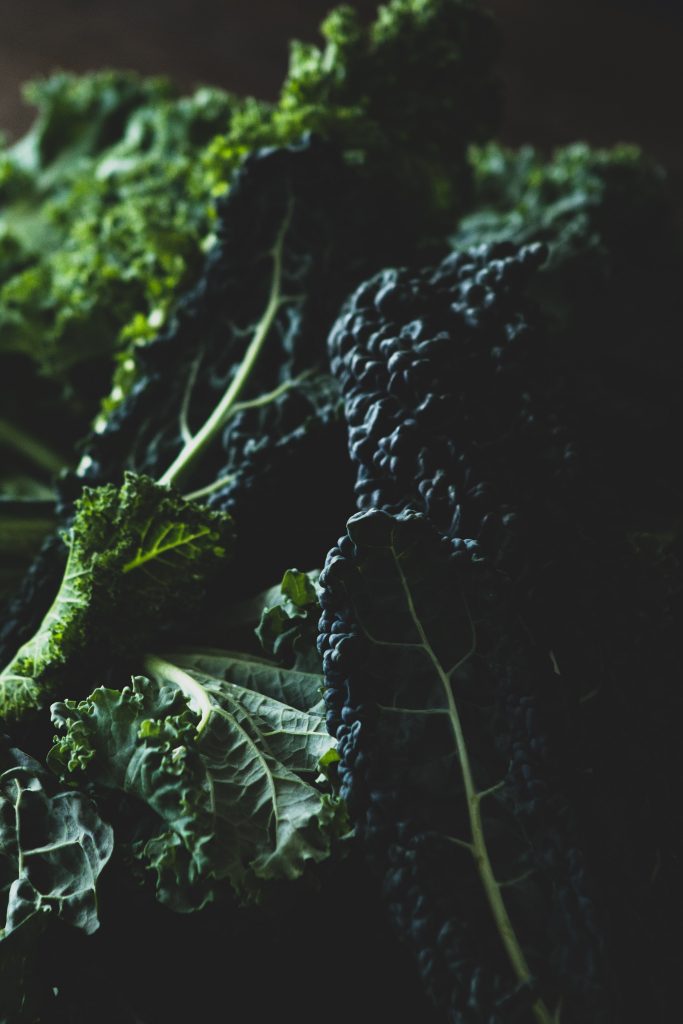
Kale
Kale is packed with compounds that may help decrease blood sugar levels, including fiber and flavonoid antioxidants.
A study demonstrated that consuming either 7 or 14 grams of kale-containing foods with a high carb meal significantly decreased post-meal blood sugar levels, compared with a placebo.
https://www.ncbi.nlm.nih.gov/pmc/articles/PMC5103670/

Health Vectors
1st Floor
966, 27th Main, 8th Cross
Sector 1, HSR Layout
Bangalore 560102
(Behind Pai International)