Health Vectors
1st Floor
966, 27th Main, 8th Cross
Sector 1, HSR Layout
Bangalore 560102
(Behind Pai International)


Brain is the control center of your body, it's in charge of your life and allows you to move, feel and think.
Foods you eat play a role in keeping your brain healthy and can improve specific mental tasks such as memory and concentration.
It's important to eat well so that your brain is in peak working condition.
Coffee
Two main components in coffee — caffeine and antioxidants — can help support brain health.
Drinking coffee over the long-term is also linked to a reduced risk of neurological diseases, such as Parkinson’s and Alzheimer’s.
The largest risk reduction was seen in those adults who consumes 3-4 cups daily.
https://pubmed.ncbi.nlm.nih.gov/23879665/
 Dry Turmeric Dust or Haldi Powder also known as curcuma longa linn, selective focus
Turmeric
Turmeric has a number of benefits for the brain.
Circumin a potent antioxidant and anti-inflammatory compound that has been linked to the following brain benefits like ease depression, help new brain cells growth.
https://pubmed.ncbi.nlm.nih.gov/29332042/
Broccoli
Broccoli is packed with powerful plant compounds, including antioxidants.
It’s also very high in vitamin K that is essential for forming sphingolipids, a type of fat that’s densely packed into brain cells.
A few studies in older adults have linked a higher vitamin K intake to better memory and cognitive status.
https://pubmed.ncbi.nlm.nih.gov/26923488/
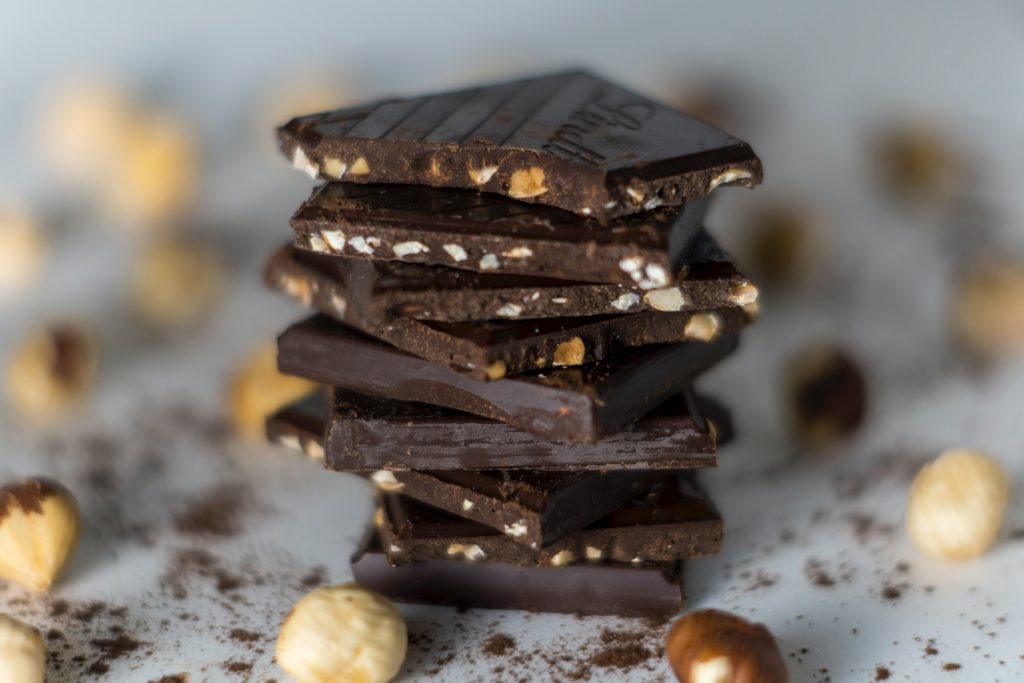
Dark Chocolate
Dark chocolate and cocoa powder are packed with a few brain-boosting compounds, including flavonoids, caffeine, and antioxidants.
Researchers believe that flavanoids may enhance memory and also help slow down age-related mental decline.
According to one study in over 900 people, those who ate chocolate more frequently performed better in a series of mental tasks, including some involving memory, compared with those who rarely ate it.
https://pubmed.ncbi.nlm.nih.gov/26873453/
Nuts
A study found that women who ate nuts regularly over the course of several years had a sharper memory compared with those who did not eat nuts.
Nuts are rich in Vitamin E and Vitamin E protects cells against free-radical damage to help slow mental decline.
https://www.ncbi.nlm.nih.gov/pmc/articles/PMC4105147/
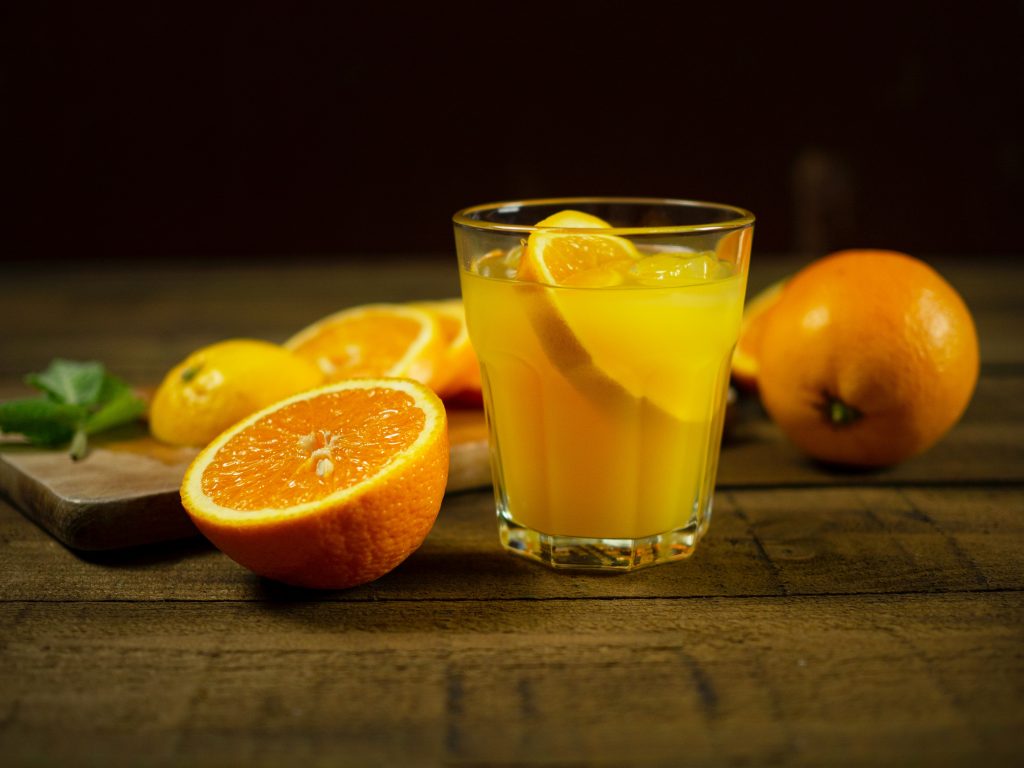
Oranges
You can get almost all the vitamin C you need in a day by eating one medium orange.
According to one study, having higher levels of vitamin C in the blood was associated with improvements in tasks involving focus, memory, attention, and decision speed.
https://www.ncbi.nlm.nih.gov/pmc/articles/PMC6454201/
Eggs
Eggs are a good source of several nutrients tied to brain health, including vitamins B6 and B12, folate, and choline.
Choline is an important micronutrient that helps regulate mood and memory.
Studies found that higher intakes of choline were linked to better memory and mental function.
https://pubmed.ncbi.nlm.nih.gov/22071706/

Green Tea
L-theanine, an amino acid found in green tea, increases the frequency of alpha waves in the brain.
It's rich in polyphenols and antioxidants that could protect the brain from mental decline.
Green tea can also reduce the risk of Alzheimer's and Parkinson's.
Fatty Fishes
When people talk about brain foods, fatty fish is often at the top of the list.
About 60% of your brain is made of fat, and half of that fat is comprised of omega-3 fatty acids.
Your brain uses omega-3s to build brain and nerve cells, and these fats are essential for learning and memory.
Omega-3 fish include salmon, trout, albacore tuna, herring, and sardines.
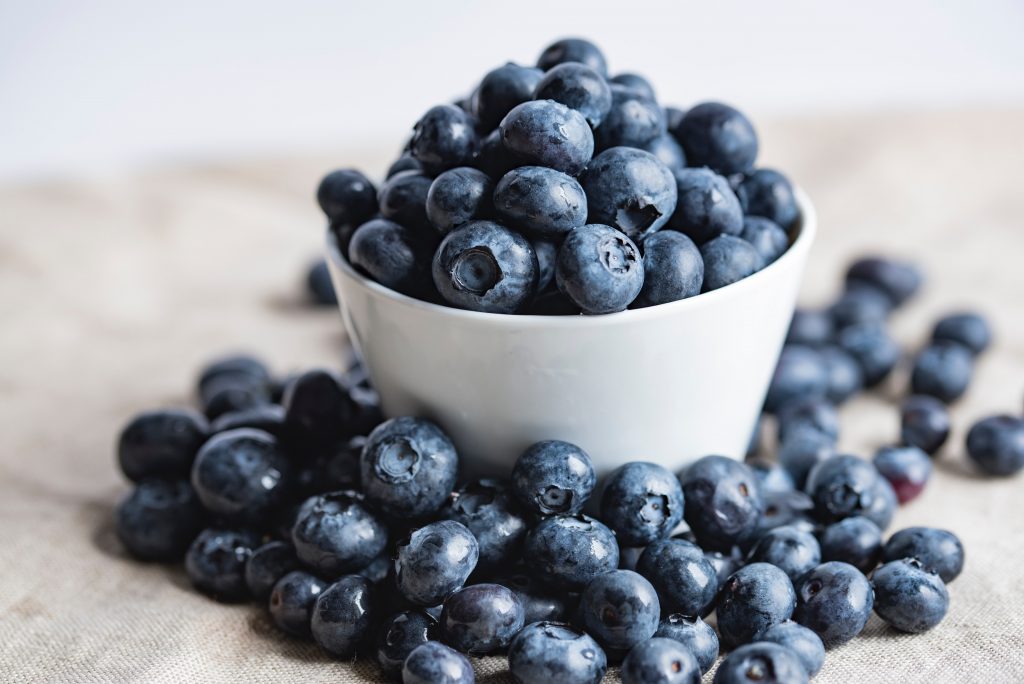
Blueberries
Blueberries provide numerous health benefits, including some that are specifically for your brain.
Blueberries and other deeply colored berries deliver anthocyanins, a group of plant compounds with anti-inflammatory and antioxidant effects.
Some of the antioxidants in blueberries have been found to accumulate in the brain and help improve communication between brain cells.
https://pubmed.ncbi.nlm.nih.gov/31329250/
Pumpkin Seeds
Pumpkin seeds contain powerful antioxidants that protect the body and brain from free-radical damage.
They’re also an excellent source of magnesium, iron, zinc, and copper.
Each of these nutrients is important for brain health.
Disclaimer: The advice provided is intended for informational purpose only and does not substitute for professional medical advice. Consult with your doctor if you’re seeking medical advice, diagnoses, or treatment.

Health Vectors
1st Floor
966, 27th Main, 8th Cross
Sector 1, HSR Layout
Bangalore 560102
(Behind Pai International)