Health Vectors
1st Floor
966, 27th Main, 8th Cross
Sector 1, HSR Layout
Bangalore 560102
(Behind Pai International)


Fiber is a nutrient that leaves your stomach undigested and ends up in your colon, where it feeds friendly gut bacteria.
Certain types of fiber may also promote weight loss, lower blood sugar levels, and fight constipation.
Men need approximately 38g fiber daily and women need about 24g.
Apples
Apples are among the tastiest and most satisfying fruits you can eat.
They are also relatively high in fiber.
Fiber content: 2.4g per 100 grams.
Banana
Bananas are a good source of many nutrients, including vitamin C, vitamin B6, and potassium.
A green or unripe banana also contains a significant amount of resistant starch, a type of indigestible carbohydrate that functions like fiber.
Fiber content: 3.1g in a medium-sized banana.
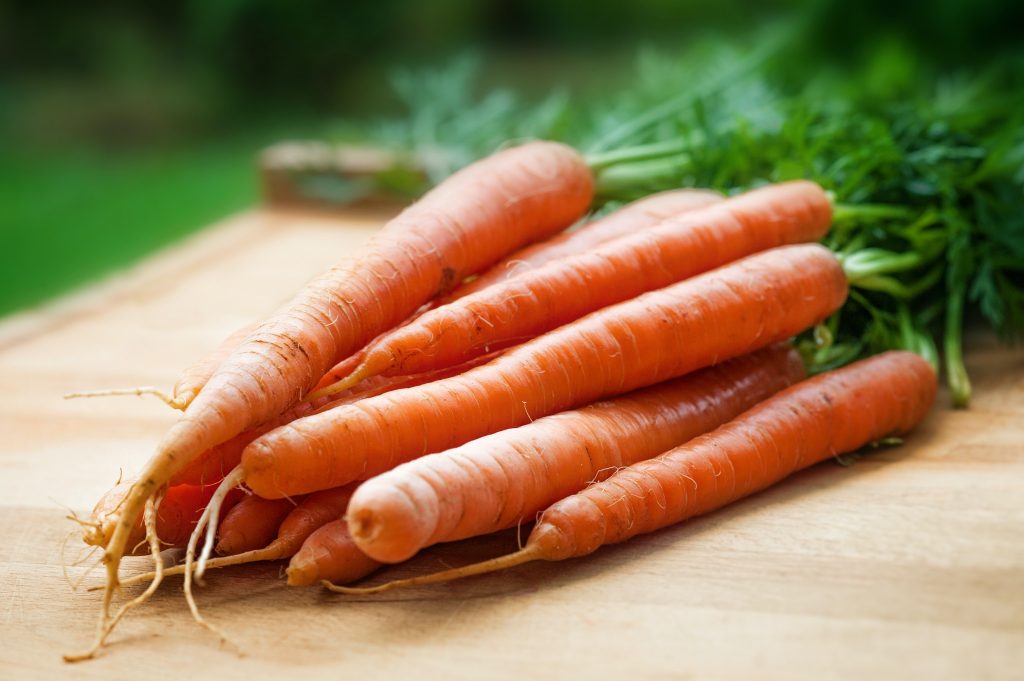 Carrots
The carrot is a root vegetable that’s tasty, crunchy, and highly nutritious. It’s high in vitamin K, vitamin B6, magnesium, and beta carotene, an antioxidant that is converted into vitamin A in your body.
Fiber content: 2.8g per 100 grams.
Broccoli
Broccoli is a type of cruciferous vegetable and one of the most nutrient-dense foods on the planet.
It’s loaded with vitamin C, vitamin K, folate, B vitamins, potassium, iron, and manganese and contains antioxidants and potent cancer-fighting nutrients.
Fiber content: 2.6g per 100 grams.
Beetroot
Beetroot is a root vegetable that’s high in various important nutrients, such as folate, iron, copper, manganese, and potassium.
Beets are also loaded with inorganic nitrates, which are nutrients shown to have various benefits related to blood pressure regulation and exercise performance.
Fiber content: 2.8g per 100 grams.
Lentils
Lentils are very cheap and among the most nutritious foods.
They’re very high in protein and loaded with many important nutrients.
Fiber content: 7.3g per 100 grams of cooked lentils.
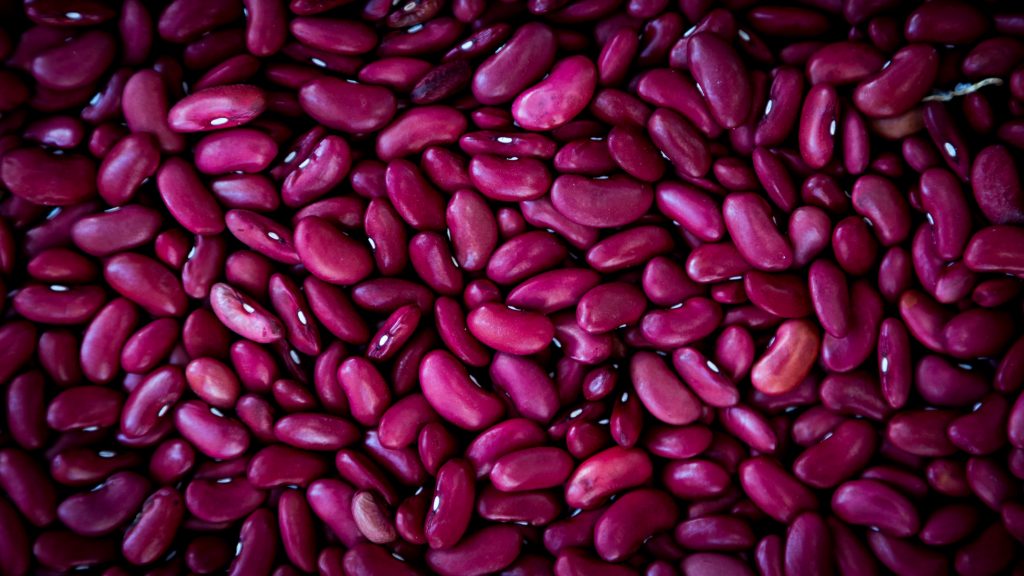
Kidney Beans
Kidney beans are a popular type of legume.
Like other legumes, they’re loaded with plant-based protein and various nutrients.
Fiber content: 6.8g per 100 grams cooked beans.
Chickpeas
The chickpea is another type of legume that’s loaded with nutrients, including minerals and protein.
Fiber content: 7.6 per 100 grams of cooked chickpeas.
Oats
Oats are among the healthiest grain foods on the planet.
They’re very high in vitamins, minerals, and antioxidants.
They contain a powerful soluble fiber called beta glucan, which has major beneficial effects on blood sugar and cholesterol levels.
Fiber content: 10.1g per 100 grams.

Popcorn
If your goal is to increase your fiber intake, popcorn may be the best snack you can eat.
Air-popped popcorn is very high in fiber, calorie for calorie.
However, if you add a lot of fat, the fiber-to-calorie ratio will decrease significantly.
Fiber content: 14.4g per 100 grams air popped popcorn.
Almonds
Almonds very high in many nutrients, including healthy fats, vitamin E, manganese, and magnesium.
Fiber content: 13.3g per 100 grams.
Pear
The pear is a popular fruit that’s both tasty and nutritious.
It’s one of the best fruit sources of fiber.
Fiber content: 3.1g per 100 grams.
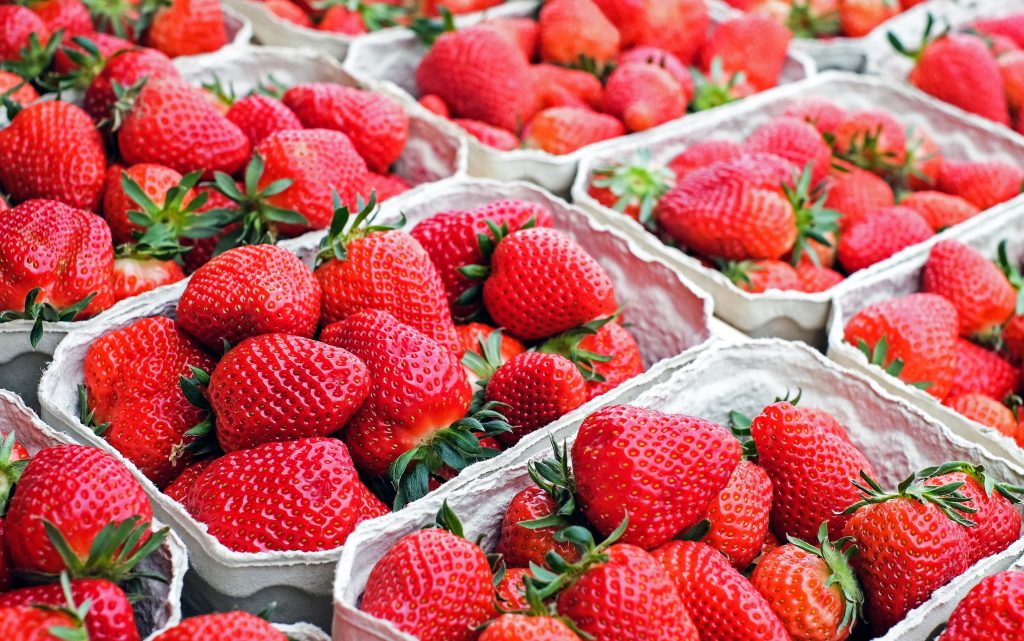
Strawberries
Strawberries are a delicious, healthy option that can be eaten fresh.
They are also among the most nutrient-dense fruits you can eat, boasting loads of vitamin C, manganese, and various powerful antioxidants.
Fiber content: 3g per 100 grams.
Almonds
The avocado is a unique fruit. Instead of being high in carbs, it’s loaded with healthy fat
Avocados are very high in vitamin C, potassium, magnesium, vitamin E, and various B vitamins.
Fiber content: 6.7g per 100 grams.
Chia Seeds
Chia seeds are tiny black seeds that are immensely popular in the natural health community.
They’re highly nutritious, containing high amounts of magnesium, phosphorus, and calcium. Chia seeds may also be the single best source of fiber on the planet.
Fiber content: 34.4g per 100 grams
Other seeds that are rich in fiber include;
Sunflower seeds: 11.1g per 100grams
Pumpkin seeds: 6.5g per 100 grams
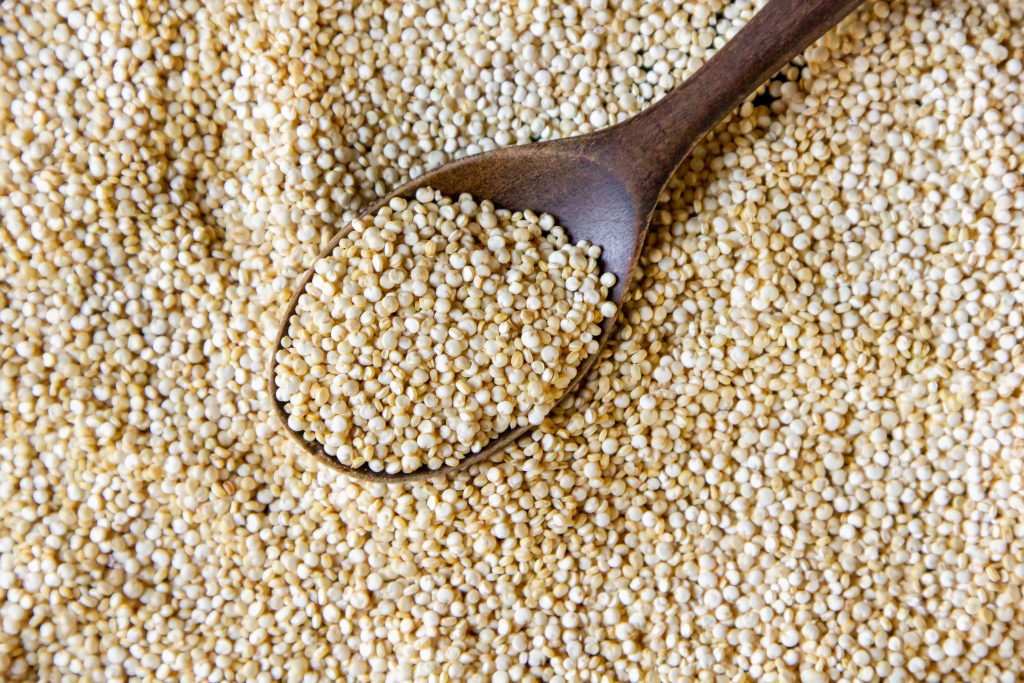
Quinoa
Quinoa is a pseudo-cereal that has become incredibly popular among health-conscious people in the last few years.
It’s loaded with many nutrients, including protein, magnesium, iron, zinc, potassium, and antioxidants, to name a few.
Fiber content:2.8g per 100 grams cooked quinoa.
Brussels Sprouts
The Brussels sprout is a cruciferous vegetable that’s related to broccoli.
They’re very high in vitamin K, potassium, folate, and potent cancer-fighting antioxidants.
Fiber content: 3.7g per 100 grams.
Raspberries
Raspberries are highly nutritious with a very strong flavor.
They’re loaded with vitamin C and manganese.
Fiber content: 6.5g per 100 grams.
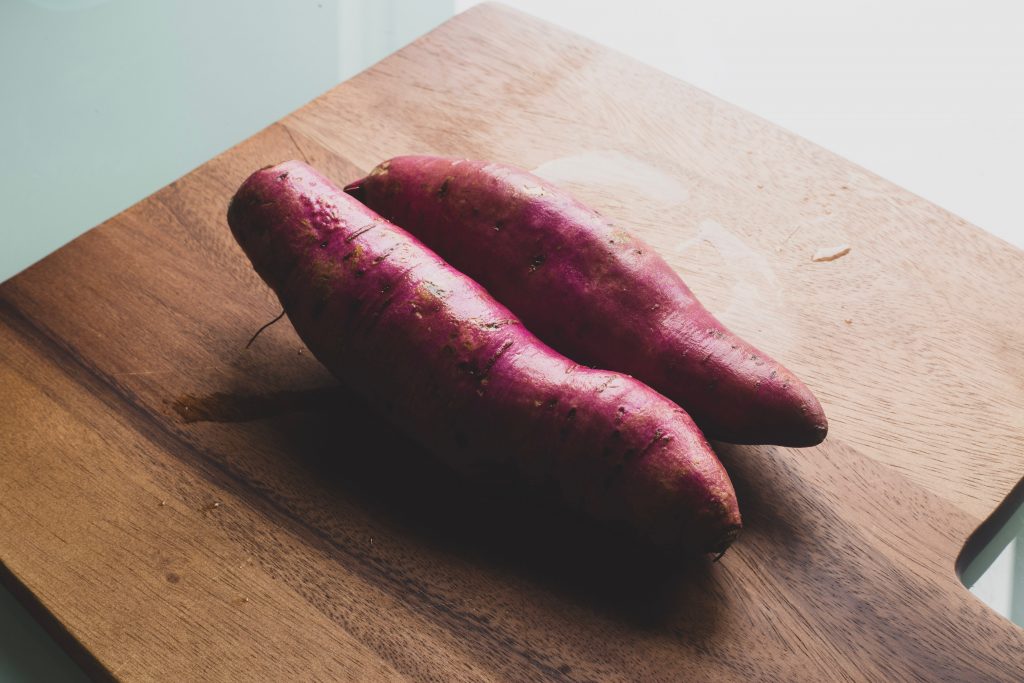
Sweet Potato
The sweet potato is a popular tuber that’s very filling and has a delicious sweet flavor.
It’s very high in beta carotene, B vitamins, and various minerals.
Fiber content: 2.5g per 100 grams boiled sweet potato (without skin)
Dark Chocolate
Dark chocolate is one of the most antioxidant- and nutrient-rich foods on the planet.
Just make sure to choose dark chocolate that has a cocoa content of 70–95% or higher.
Avoid products that are loaded with added sugar for maximum flavor and nutritional value.
Fiber content: 10.9g per 100 grams
Disclaimer: The advice provided is intended for informational purpose only and does not substitute for professional medical advice. Consult with your doctor if you’re seeking medical advice, diagnoses, or treatment.

Health Vectors
1st Floor
966, 27th Main, 8th Cross
Sector 1, HSR Layout
Bangalore 560102
(Behind Pai International)