Health Vectors
1st Floor
966, 27th Main, 8th Cross
Sector 1, HSR Layout
Bangalore 560102
(Behind Pai International)


Many popular healthy foods are highly perishable and must be used within a few days.
You can keep several healthy, long-lasting staples in your pantry and fridge.
Use them to make nutrient-dense meals and snacks when you're out of your typical go-to foods.
Here are a list of healthy staples that you should always have on hand.
Lentils & Beans
Beans and lentils are amongst the healthiest foods you can eat and have very long shelf lives.
In addition to being shelf stable, beans and lentils are highly nutritious, offering an abundance of nutrients, including fiber, magnesium, B vitamins, and iron.
*Properly stored beans and lentils can last for up to 2-3 years before they begin to lose their vitamin content.
Healthy Fats
Certain fats, including coconut oil, ghee, and olive oil, can be safely kept at room temperature for a year or more.
Cooking with these healthy fats helps add flavor to recipes and enhances the absorption of fat-soluble vitamins, minerals, and antioxidants from food.
*Ghee can be stored for up to a year and even beyond if there is no smell or change in appearance.

Fermented Vegetables
Fermented vegetables are delicious and versatile, and they offer several health benefits.
Research has shown that they can improve digestive health and may help reduce inflammation and blood sugar levels.
*Fermented vegetables can keep well for about 4-9 months when stored in the refrigerator.
https://www.ncbi.nlm.nih.gov/pmc/articles/PMC6723656/
Nuts & Seeds
Nut and seed butters are an excellent addition to smoothie recipes.
Nuts are rich in protein, fiber, and a wide array of vitamins and minerals.
They are great for making oatmeal, yogurt, trail mix, and salads, or adding to smoothies.
*Nuts and seeds can be kept at room temperature for 1–4 months.
Whole Grains
When in a hurry, grain-based dishes like salads, rice bowls, soups, and pulao's make a great choice.
Grains like brown rice, oats, quinoa are excellent sources of fiber and micronutrients.
*Whole grains can keep for upto 6 months when stored in an airtight jar in a dry place.

Honey
Honey is a natural sweetener that offers unique health benefits.
Raw honey has antimicrobial and anti-inflammatory properties and contains powerful antioxidants.
Just remember to use sparingly, as too much sugar from any source can harm your overall health.
*Honey can be stored for up to 2 years.
Herbs and Spices
Incorporating dried herbs and spices into your diet can promote your health in various ways.
Turmeric, cayenne pepper, rosemary, cinnamon, ginger, oregano, and cumin all offer impressive health benefits.
They may help reduce inflammation and lower your risk of certain diseases.
*Herbs (dry) and spices can be stored for months, when in airtight jars.
Onion &Garlic
Garlic and onions are the backbone of many recipes and favored by both professional and home cooks for their versatility and long shelf life.
Both have also been shown to benefit your health in many ways, and enjoying them regularly may help reduce your risk of various illnesses, including certain cancers, mental decline, heart disease, and diabetes.
*Onion and Garlic have a considerably long shelf life.
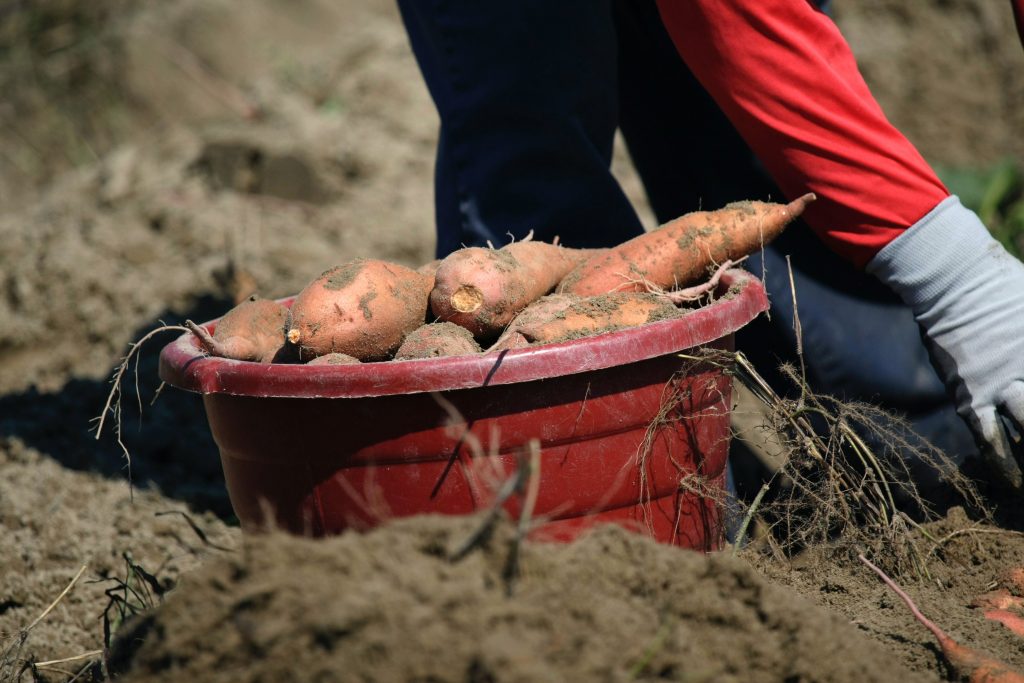
Root Vegetables
Root vegetables are packed with fiber and antioxidants, and low in calories, fat, and cholesterol.
Root vegetables are also excellent sources of carotenoids.
These are naturally occurring pigments that may decrease the risk of certain cancers and help protect your eyes.
*Root vegetables can last for a few weeks when stored in the fridge
Yogurt
Yogurt is a must-have in any well-stocked fridge.
Eating full fat yogurt may protect against heart disease and the development of belly fat.
It can be enjoyed with berries, added to smoothies, dolloped onto veggie dishes or added to sauces and soups.
*yogurt can be kept for up to 3 weeks in the fridge
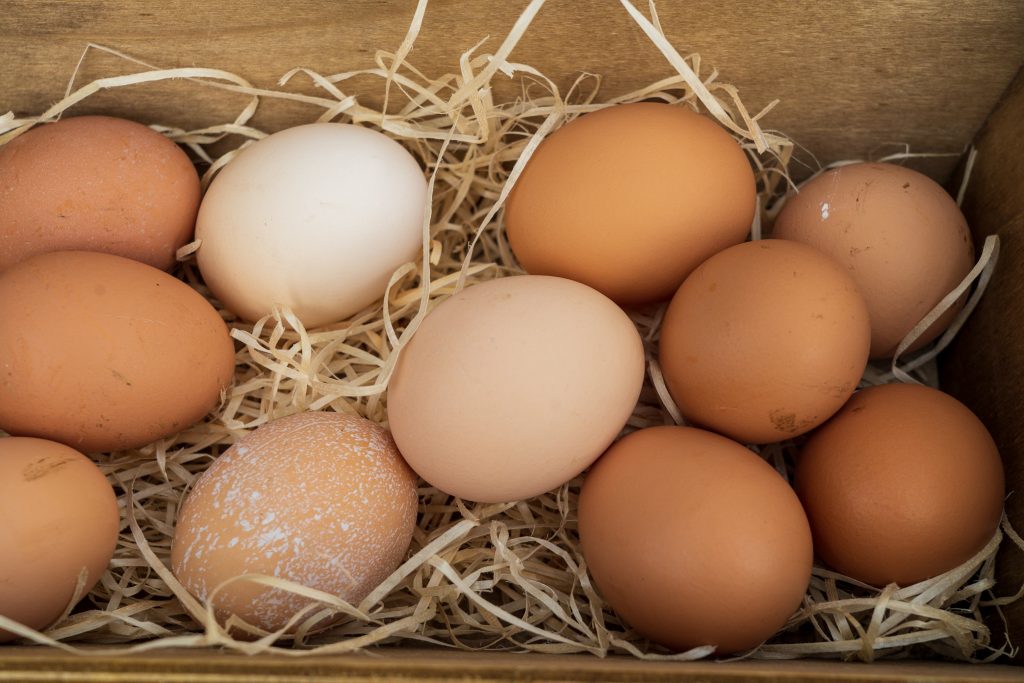
Eggs
Eggs are a versatile food that can be enjoyed at any time of the day.
They’re packed with protein and just about every vitamin and mineral your body needs to thrive, which is why they’re often referred to as nature’s multivitamin.
*Eggs can last up to 5 weeks in the fridge

Health Vectors
1st Floor
966, 27th Main, 8th Cross
Sector 1, HSR Layout
Bangalore 560102
(Behind Pai International)