Health Vectors
1st Floor
966, 27th Main, 8th Cross
Sector 1, HSR Layout
Bangalore 560102
(Behind Pai International)


It is an important mineral, which means that we must obtain potassium from our diet to meet the body's requirements. Potassium is essential for a variety of bodily activities, including:
According to the ICMR, the RDA for potassium for healthy adults is 3,500mg, but this quantity can change for those with particular illnesses such as diabetes, kidney disease, or osteoporosis. People with moderate to severe chronic kidney disease should eat less than 3000 mg of potassium per day.
Continue reading to learn about foods that are rich in potassium.
Banana: Bananas are well-known potassium sources. One banana contains 451mg of potassium. This delicious fruit is also high in vitamin C, B6, magnesium, fiber, and antioxidants. While ripe bananas are high in sugar, green bananas are low in sugar and high in resistant starch, which may aid with blood sugar management and intestinal health. Because of their convenient, natural packaging, bananas are an easy and healthy method to enhance your potassium intake while on the road.

Avocado: A single avocado contains 728mg of potassium. They are a good source of fiber and healthy fats. Avocados add a creamy texture to recipes. You can put them on toast, in a tasty pasta sauce, in a nourishing smoothie, or in a rich salad dressing.
Beetroot: A cup of cooked beetroot has 518 mg of potassium (11% DV). Furthermore, nitrates in this root vegetable have been demonstrated to enhance blood vessel function and overall heart health when transformed into nitric oxide in your body (https://www.ncbi.nlm.nih.gov/pmc/articles/PMC4425174/).They are also high in folate, a nutrient required for DNA synthesis.
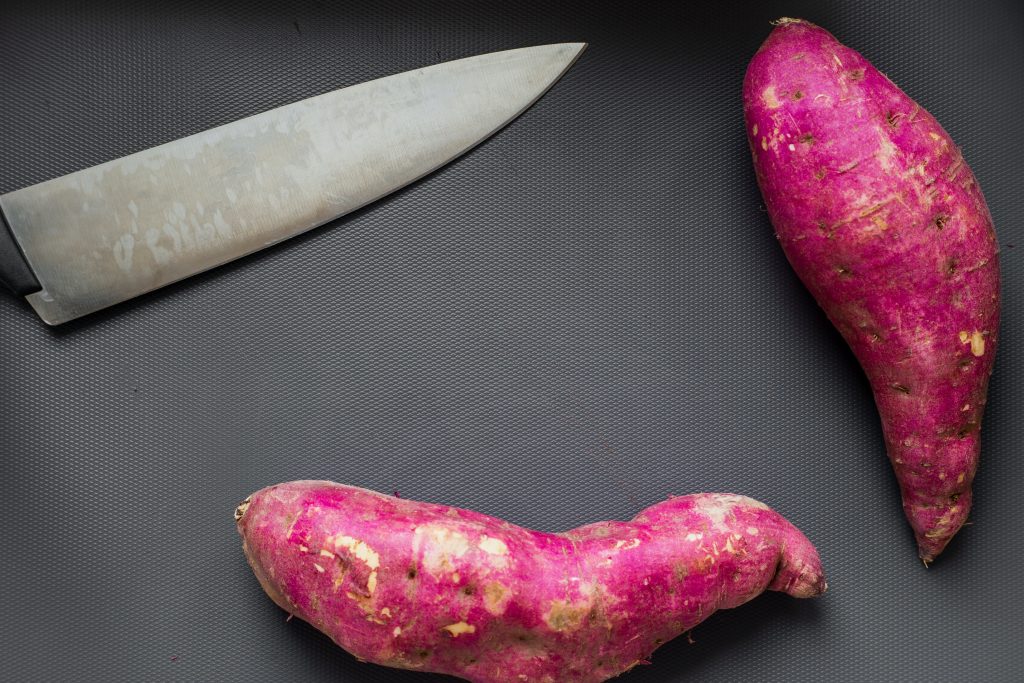
Sweet Potato: A 235g portion of roasted sweet potato has around 1110mg of potassium. These tubers are also high in vitamin A, which is good for your eyes, vitamin C, which is good for your skin, and fiber, which is good for your gut
Spinach: Spinach is one of the most nutrient-dense plants, and it is also high in potassium. 1 cup cooked has 558 mg of potassium in it. Spinach is also high in fiber, antioxidants, vitamin A and vitamin C.

Coconut Water: Coconut water has grown in popularity as a health drink. It has a sweet and nutty flavor, is low in sugar, and is high in electrolytes. The body needs electrolytes to sustain healthy neurons, heart, and muscle function, as well as hydration. Potassium is one of these electrolytes. One cup (250ml) of coconut water has 600mg of potassium. Because of its high electrolyte content, coconut water is a good drink for rehydrating after strenuous physical activities.
Watermelon: Watermelon is a large, delicious fruit with high water content. 2 wedges of watermelon give about 640mg of potassium. Watermelon is also high in lycopene and contains vitamins A, C, and B6. Furthermore, because more than 90% of the fruit is water, you'll feel satisfied after munching for very few calories. And if you'd rather drink it? Cold-pressed watermelon juice is an excellent substitute.
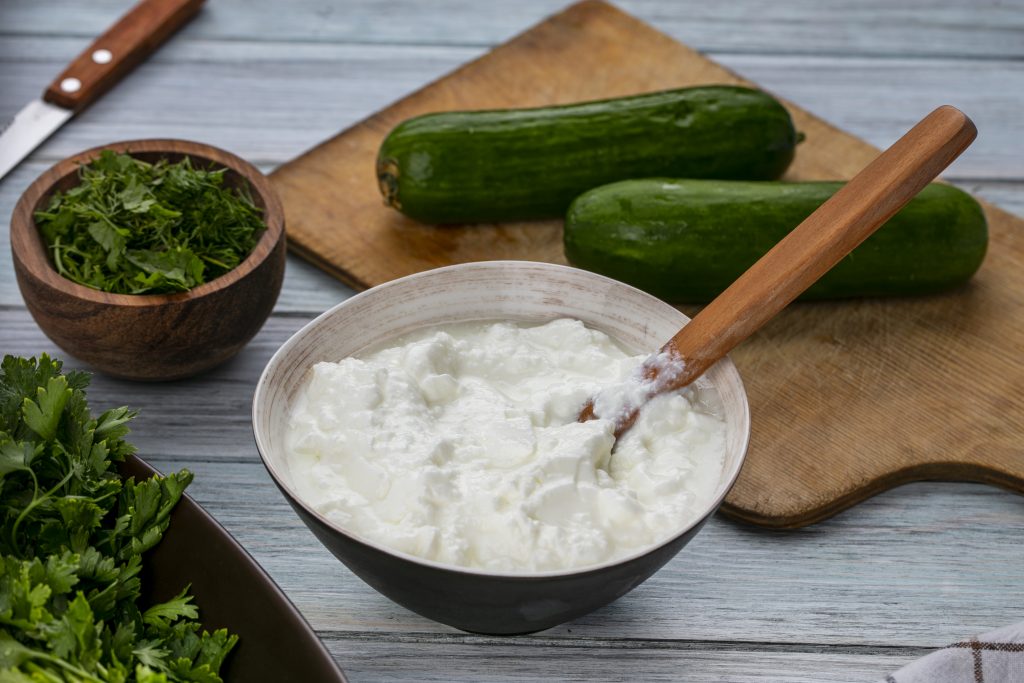
Yogurt: Regular basic low-fat yoghurt contains a whopping 573mg of potassium per cup. It also contains approximately half of your daily calcium requirements. To obtain a good dose of gut-friendly probiotics, look for one that contains live active organisms.
Clams: Clams are a good source of potassium. A serving of 85 grammes of clams has 534 mg. Clams are also incredibly nutrient dense. They contain a lot of iron and Vitamin B12. They're also a good source of protein and high in healthful omega-3 fats, which have been linked to a variety of health advantages, including reduced inflammation and other risk factors for disease (https://pubmed.ncbi.nlm.nih.gov/29350557/)
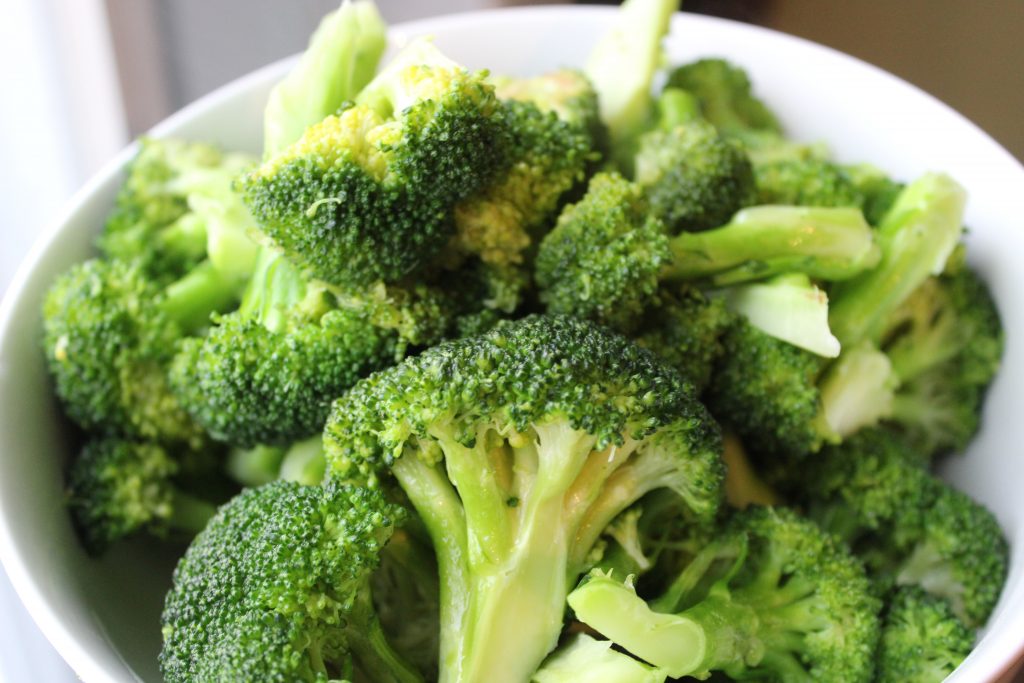
Broccoli: Broccoli is a high-nutrient food. It's packed with nutrients, including potassium (458 mg per 1 cup). It can also help you satisfy your fiber needs.
Potato: Potatoes are a starchy root vegetable that is still widely consumed in many nations. A medium baked potato contains 867 mg of potassium. Because potassium is found in both the flesh and skin of a potato, it is best to eat them washed and peeled. But potatoes aren't just high in potassium. Vitamins A, C, B6, and manganese are also present.
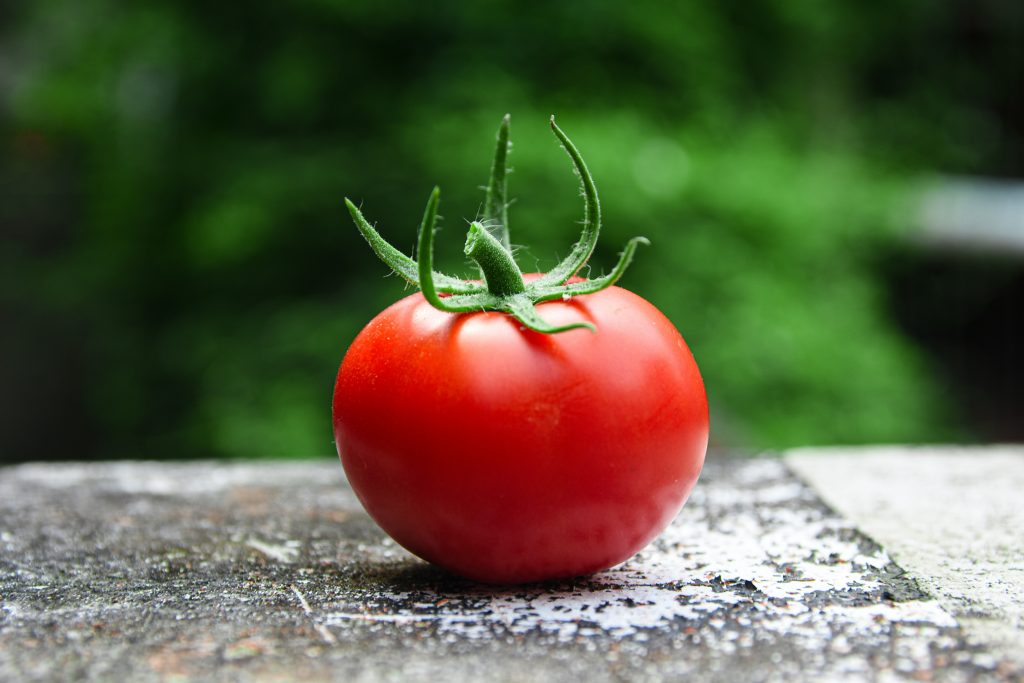
Tomato: This ripe red vegetable is a powerhouse of potassium. 1 large ripe tomato has 431mg of potassium. Tomatoes are rich in other minerals like manganese and vitamins, including vitamins A, C, E, and B6. Tomatoes contain beneficial plant compounds like lycopene, which may help fight inflammation and reduce prostate cancer risk. A small study of people with metabolic syndrome who received tomato juice four times a week for 2 months saw significant improvement in inflammation, blood vessel dysfunction, and insulin resistance (https://pubmed.ncbi.nlm.nih.gov/25194627/).
Choosing whole foods like fruits, vegetables, dairy, and legumes is a healthy and delightful approach to boost your potassium intake. Eating a variety of plant meals every day is the key to getting adequate potassium.

Health Vectors
1st Floor
966, 27th Main, 8th Cross
Sector 1, HSR Layout
Bangalore 560102
(Behind Pai International)