Health Vectors
1st Floor
966, 27th Main, 8th Cross
Sector 1, HSR Layout
Bangalore 560102
(Behind Pai International)


What is the Mediterranean Diet? The Mediterranean diet is a manner of eating that is based on the traditional cuisines of Greece, Italy, and other Mediterranean Sea countries.
The diet is built on plant-based foods such whole grains, vegetables, legumes, fruits, nuts, seeds, herbs, and spices. The main source of additional fat is olive oil. In moderation, fish, seafood, dairy, and chicken are allowed. Red meat and sweets are only consumed on rare occasions.
The Mediterranean Diet is an eating plan that focuses on plant-based meals and healthy fats.
In general, a Mediterranean Diet consists of the following foods;

There is no particular diet plan that is followed in a Mediterranean Diet, but it has some generic guidelines;
Focus on : vegetables, fruits, nuts, seeds, legumes, potatoes, whole grains, herbs, spices, fish, seafood, and extra virgin olive oil.
Eat in medium to low quantity: poultry, eggs, cheese, yogurt, red wine
Limit or avoid : red meat, sugar-sweetened beverages, added sugars, processed meat, refined grains, other highly processed foods, beers, and liquors
Health Benefits of following a Mediterranean Diet
Helps with weight loss: Mediterranean diets are full of fibers that help manage a healthy weight. You feel more satiated with foods higher in fiber, which helps with healthy weight loss and metabolism. Replace carbohydrate foods with fibrous fruits, vegetables, and nuts for better results.
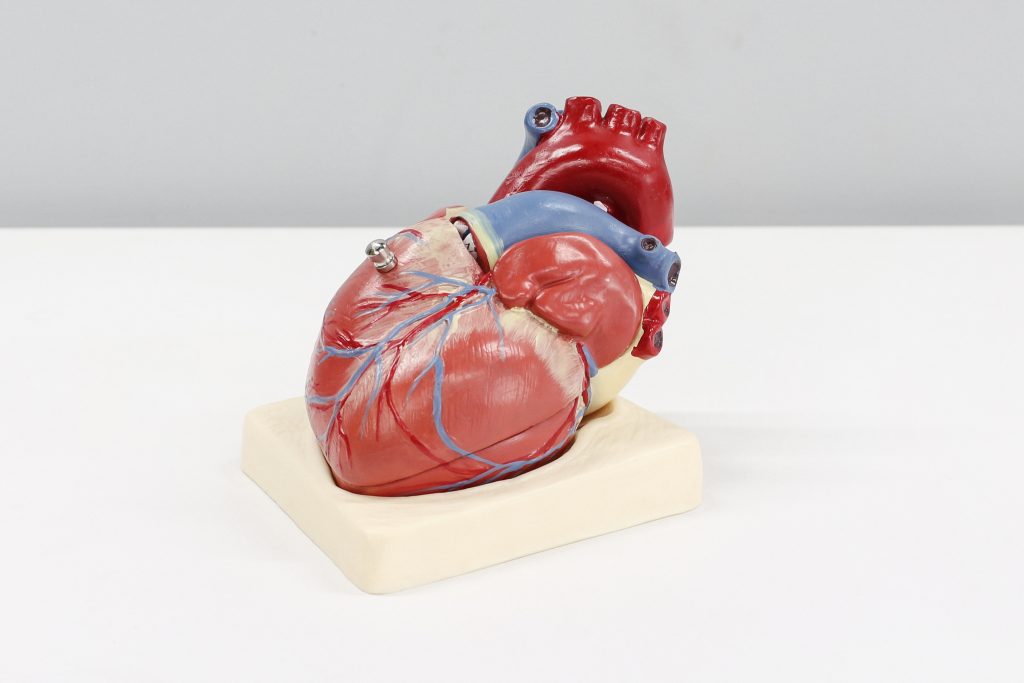
Reduces risk of heart diseases: Numerous studies have found that the Mediterranean diet could help to reduce the risk of getting heart diseases such as heart attack or stroke. Following the Mediterranean diet and avoiding red meat, refined sugar, processed goods, and encouraging to eat more veggies, fruits, olive oil, and wine can be beneficial for your heart health. This diet helps to maintain healthy cholesterol levels and reduce the risk of higher blood pressure (https://www.nejm.org/doi/full/10.1056/nejmoa120030)
Reduces risk of cancer: The Mediterranean diet reduces the risk of getting some cancers. Studies suggest that a Mediterranean diet improves your immunity to fight against cancers more likely breast cancer and colon cancer, and prevent cancer-related deaths (https://link.springer.com/article/10.1186/1471-2482-13-S2-S14)

Reduce risk of Diabetes: A study of 418 individuals in age group of 55 to 80 without diabetes over 4 years showed that participants who followed the Mediterranean diet, had a 52 percent lower risk of type 2 diabetes during the four-year follow-up, and they didn’t necessarily lose weight or exercise more. In persons with type 2 diabetes, the Mediterranean diet improved blood sugar control better than low-carbohydrate, low-glycemic index, and high-protein diets, according to the study. This finding implies that following a Mediterranean diet may be an effective method to prevent type 2 diabetes-related health problems (https://www.ncbi.nlm.nih.gov/pmc/articles/PMC3005482/pdf/zdc14.pdf)
The Mediterranean diet appears to be a healthy option for preventing or managing heart disease, type 2 diabetes, and other risk factors. It may also help you lose weight. One reason the Mediterranean diet can benefit your health is that it provides a balance of nutrients and is adaptable and easy to stick to.

Health Vectors
1st Floor
966, 27th Main, 8th Cross
Sector 1, HSR Layout
Bangalore 560102
(Behind Pai International)