Health Vectors
1st Floor
966, 27th Main, 8th Cross
Sector 1, HSR Layout
Bangalore 560102
(Behind Pai International)


What is Gout?
Gout is a painful form of arthritis. When your body has extra uric acid, sharp crystals may form in the big toe or other joints, causing episodes of swelling and pain called gout attacks.
Gout occur more often in men, women after menopause, and people with kidney disease.
Gout is strongly linked to obesity, hypertension (high blood pressure), hyperlipidaemia (high cholesterol and triglycerides) and diabetes.
Causes of gout
Gout occurs when excess uric acid (a normal waste product) collects in the body, and needle‐like urate crystals deposit in the joints.
This may happen because either uric acid production increases or, more often, the kidneys cannot remove uric acid from the body well enough. Certain foods and drugs may raise uric acid levels and lead to gout attacks.
These include:
*Shellfish, red meat, soups and organ meats such as liver are high in purines
*Alcohol in excess
*Sugary drinks and foods that are high in fructose like candies, soft drinks, jams, jellies, canned fruits etc.

Symptoms of gout
An episode of gout is called a gout attack. Gout attacks are very painful and can happen quite suddenly, often overnight.
During a gout attack, symptoms in the affected joint(s) may include:
*Intense pain.
*Redness.
*Stiffness.
*Swelling.
*Tenderness, even to light touch, such as from a bedsheet.
*Warmth, or a feeling like the joint is “on fire.”
How long does a gout attack last?
*A gout attack can last a week or two.
*Between gout attacks, you may have no symptoms at all.
*Some people have gout attacks frequently, while others go years between episodes.
*If gout isn’t treated, attacks may become more frequent and last longer.
*Gout attacks can happen repeatedly in the same joint or affect different joints.
Diagnosis of gout
Your physician may send you to a rheumatologist, a doctor who specializes in gout and other kinds of arthritis.
Doctors consider several things when confirming gout:
*Symptoms: The doctor will ask you to describe your symptoms, how often they happen and how long they last.
*Physical examination: Your doctor will examine the affected joint(s) to look for swelling, redness and warmth.
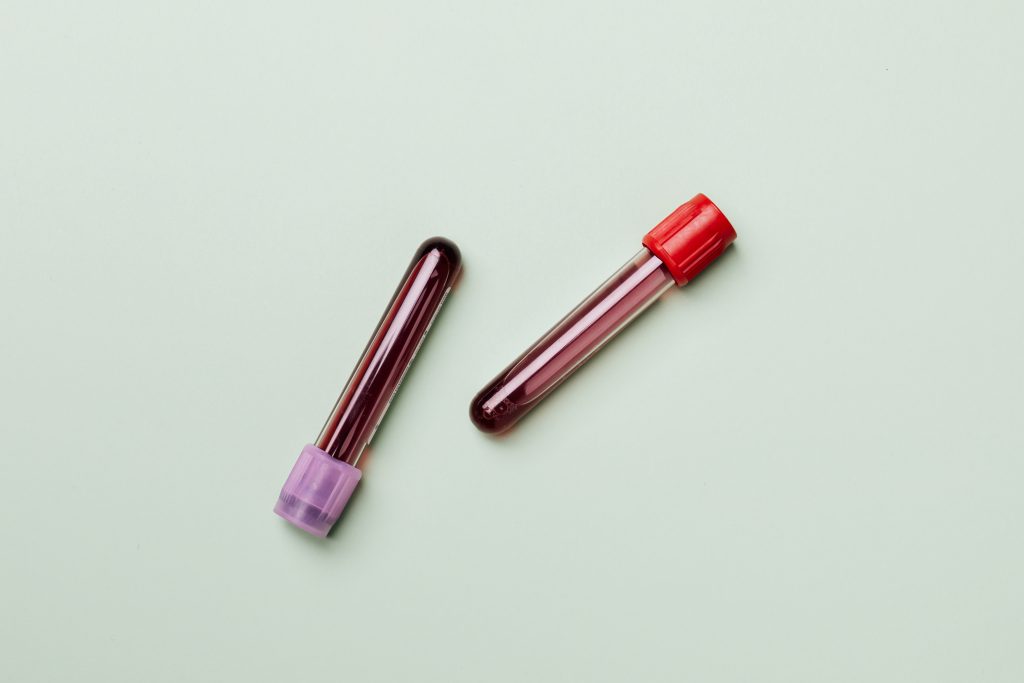
*Blood work: A test can measure the amount of uric acid in your blood. The doctor may also advice some other tests.
Acute attacks are typically followed by periods of no symptoms. A rheumatologist can diagnose gout and make sure symptoms are not due to some other type of arthritis or an injury.
Risk factors to gout
You're more likely to develop gout if you have high levels of uric acid in your body. Factors that increase the uric acid level in your body include:
Diet: Eating a diet rich in red meat and shellfish and drinking beverages sweetened with fruit sugar (fructose) increase levels of uric acid, which increase your risk of gout. Alcohol consumption, especially of beer, also increases the risk of gout.
Weight: If you're overweight, your body produces more uric acid and your kidneys have a more difficult time eliminating uric acid.

Risk factors to gout:
Medical conditions: Certain diseases and conditions like untreated high blood pressure and chronic conditions such as diabetes, obesity, metabolic syndrome, and heart and kidney diseases can increase the risk for gout.
Family history of gout: If other blood related members of your family have had gout, you're more likely to develop the disease.
Age and sex: Gout occurs more often in men, primarily because women tend to have lower uric acid levels. After menopause, however, women's uric acid levels approach those of men. Men are also more likely to develop gout earlier — usually between the ages of 30 and 50 — whereas women generally develop signs and symptoms after menopause.
Treatment of gout
Treatment may be different for each person and will depend on the stage and severity of your gout. However, the goals for treating gout are the same for each person and include:
*Reduce the pain from gout flares.
*Prevent future flares.
*Stop damage to your joints.
*Care for other conditions or complications that happen with gout.
Your doctor may recommend:
*Making changes to your diet and lifestyle.
*Reduce alcohol
*Lose weight
*Quit smoking

Prevention of gout
Some of the risk factors for gout are genetic, and those are not preventable. Here are a few steps you can take to help prevent gout:
*Limit how much alcohol you drink.
*Limit how much purine-rich food, such as shellfish, lamb, beef, pork, and organ meat, you eat.
*Eat a low-fat, non-dairy
*Diet that’s rich in vegetables.
*Lose weight.
*Stop smoking.
*Exercise.
*Stay hydrated.
*Limit intake of vegetables like cauliflower, spinach, mushrooms, and green peas etc.
If you have medical conditions or take medications that raise your risk of gout, ask your doctor how you can lower your risk of gout attacks.
Disclaimer: The advice provided is intended for informational purpose only and does not substitute for professional medical advice. Consult with your doctor if you’re seeking medical advice, diagnoses, or treatment.

Health Vectors
1st Floor
966, 27th Main, 8th Cross
Sector 1, HSR Layout
Bangalore 560102
(Behind Pai International)