Health Vectors
1st Floor
966, 27th Main, 8th Cross
Sector 1, HSR Layout
Bangalore 560102
(Behind Pai International)


Allergy triggers can be found inside your own home.
There are multiple triggers all around your home, some may be obvious, but others are not.
Learn about 10 allergy triggers that can be found in your home, as well as what to do about it.
Dust and mites
These tiny bugs live in bedding, mattresses, upholstery, carpets, and curtains.
They feed on dead skin cells from people and pets, as well as on pollen, bacteria, and fungi. They thrive in high humidity.
Use hypoallergenic pillows, cover mattresses, and box springs, and wash sheets weekly in hot water.
Keep the house free of dust-collecting items such as stuffed animals, curtains, and carpet.

Household linen
Your carpets, drapes, bedding and pillows can trap allergens, such as pollen or pet hair, and cause allergy and asthma flare-ups.
Wash your bedding and carpets on a regular basis. Thoroughly clean your house, including cloth couches, chairs and drapes, regularly.
Foods
Milk, shellfish, eggs, and nuts are among the most common foods that cause allergies.
Others include wheat, soy, and fish. Within minutes of eating something you're allergic to, you could have trouble breathing and get hives, vomiting, diarrhea, and swelling around your mouth.
If your reaction is severe, you will need emergency medical help.

Pets
Saliva, dander, urine from pets and animals can trigger allergies in many people.
You love your pet, but if you're allergic, you react to proteins in their saliva or in their skin's oil glands.
If you do come into contact with a pet, wash and dry your clothing with hot water.
Shower immediately to remove any lingering pet dander.
Household chemicals
Household chemicals, hairsprays etc. may also be a trigger for your allergies.
Particles from these items linger in the air even after usage.
Symptoms from chemical allergies can include itchy or watery eyes, or an itchy nose.
If you notice these symptoms after cleaning or using chemical products, discontinue use immediately.
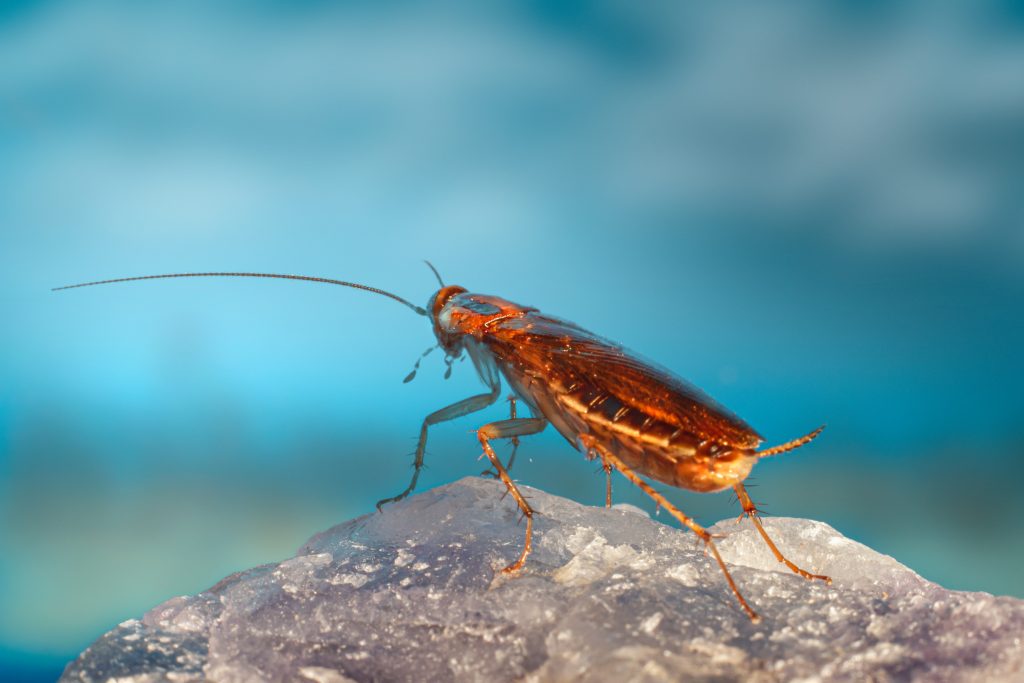
Cockroaches
A protein in their droppings can be a trigger.
Cockroaches can be tough to get rid of, especially in a warm climate or if you live in an apartment building where they can move back and forth between neighbors.
Treat them with bug killer and keep a clean kitchen.
Mold
Mold is a very common and well-known cause of allergies, and it is also very serious.
Mold can be found in more places around your home than you think. Leaving a wet sponge out or leaving clothes in the washing machine for too long without rotation can create mold.
Mold can also be found in the edges of your shower caused by the steam and moisture of your bathroom.

Smoke
Cigarette smoke is one of the most common factors for household allergies and asthma.
Even after someone is done smoking, smoke particles often get trapped in the air or on household items or furniture, causing allergies and asthma to worsen when indoors.
If you live with someone who smokes, it is important for them to smoke outside.
Insect stings
Bee stings or bug bites cause minor skin reactions such as itching and swelling in most people.
In people who are highly allergic, the reaction can be severe and even life-threatening

Certain Medication
Certain medications may cause allergic reactions. Symptoms can include hives, itchy eyes, stuffiness, and swelling in your face, mouth, and throat.
Penicillin is a common medication that can cause allergic reactions in some people.
If you're allergic to a drug, it's best to not take it.
Your doctor can talk to you about other medicine options or treatments that may allow you to take a medicine if it's necessary.
Latex
Found in some disposable gloves, condoms, and medical devices, latex can trigger a reaction ranging from itchy, red skin to anaphylaxis with trouble breathing.
Symptoms can include a rash or hives, eye irritation, runny or itchy nose, sneezing, and wheezing.

Perfumes
Some people are sensitive to chemical scents found in perfumes, deodorants, body mists etc.
Particles from these items linger in the air even after usage.
Symptoms from chemical allergies can include itchy or watery eyes, or an itchy nose.

Health Vectors
1st Floor
966, 27th Main, 8th Cross
Sector 1, HSR Layout
Bangalore 560102
(Behind Pai International)