Health Vectors
1st Floor
966, 27th Main, 8th Cross
Sector 1, HSR Layout
Bangalore 560102
(Behind Pai International)

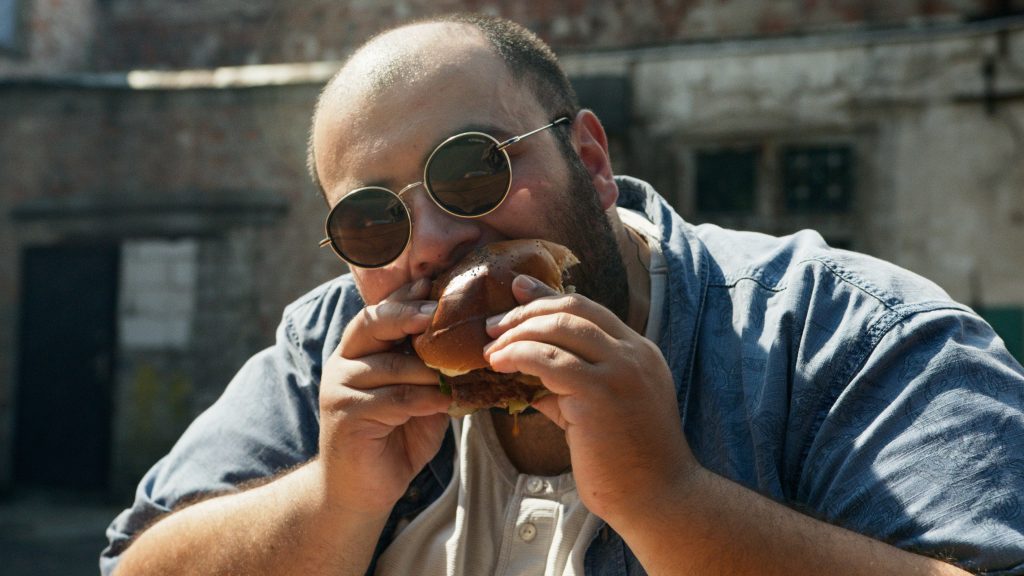
Weight loss is hard.
So many people will tell you, “It’s calories in versus calories out that counts” — as if your body were a simple math equation.
Honestly, if it were that easy, everyone would have aced this test.
Weight loss isn’t always a simple equation — other factors, both internal and external — may be standing in the way of your goal.
Here are some common stumbling blocks and how to overcome them.

You’re not keeping track of what you’re eating
Awareness is incredibly important if you are trying to lose weight.
Many people don’t have a clue how much they’re really eating.
Studies show that keeping track of your food intake helps with weight loss.
People who use food diaries or photograph their meals consistently lose more weight than people who don’t.
Reference
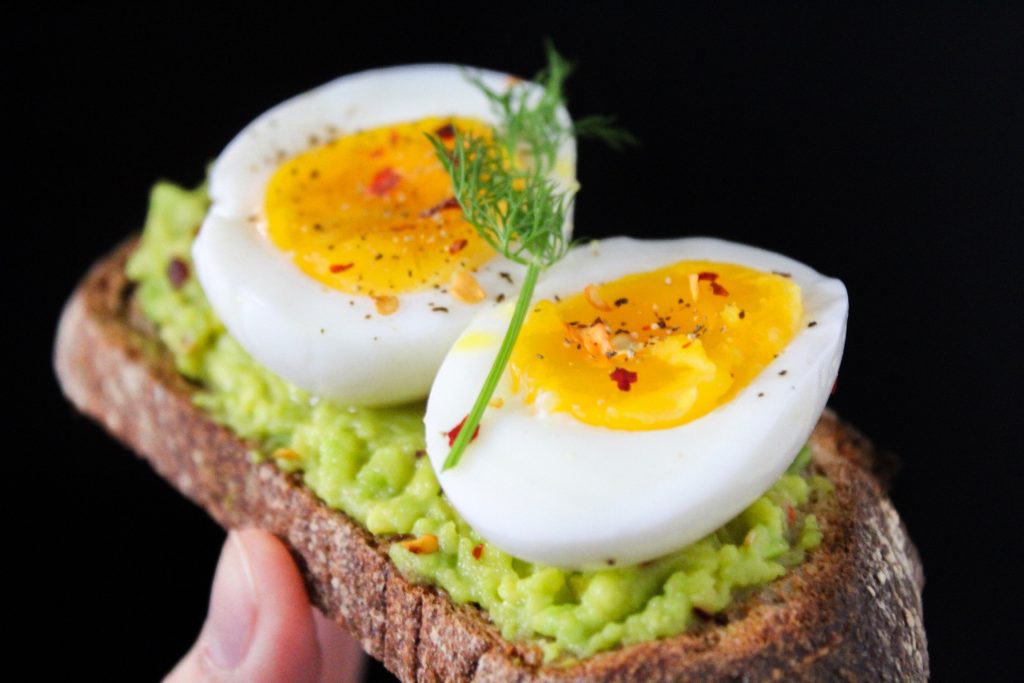
You’re not eating enough protein
Protein is an important nutrient for losing weight.
If you eat breakfast, be sure to load up on protein.
Studies show that those who eat a high protein breakfast are less hungry and have fewer cravings throughout the day.
Reference
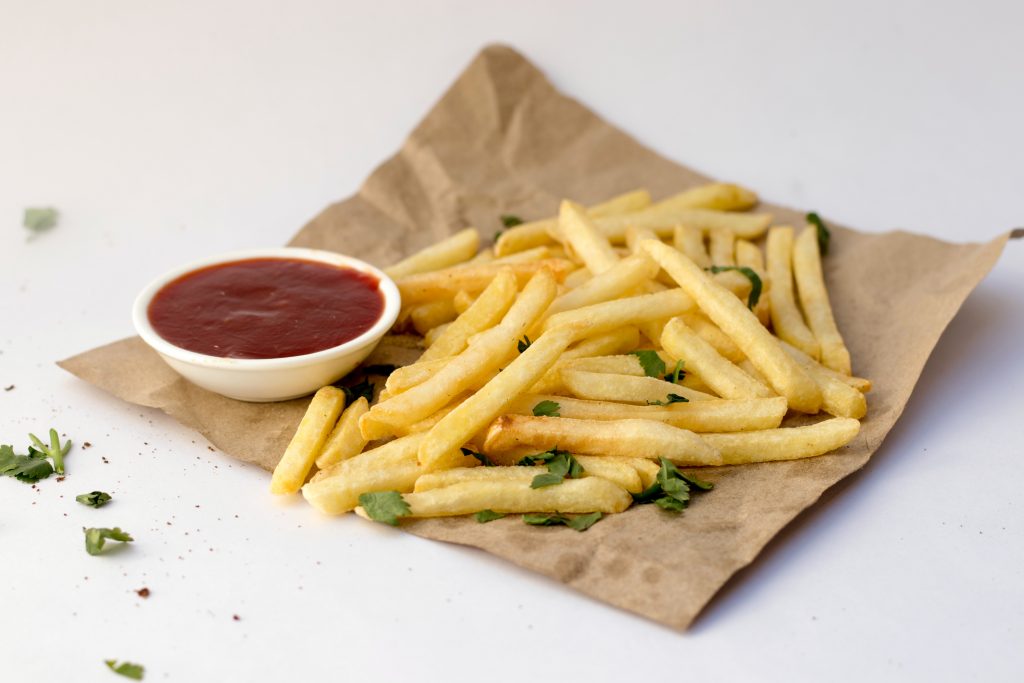
You’re eating too many calories
Many people who have trouble losing weight are simply eating too many calories.
Studies show that people tend to underestimate their calorie intake by a significant amount.
If you are not losing weight, you should try weighing your foods and tracking your calories for a while.
Reference

You’re not eating whole foods
Eating whole foods can improve your well-being and help regulate your appetite.
These foods tend to be much more filling than their highly processed counterparts.
Keep in mind that many processed foods labeled as “health foods” aren’t really healthy.
Be sure to read the ingredients on the package and watch out for foods containing extra carbs
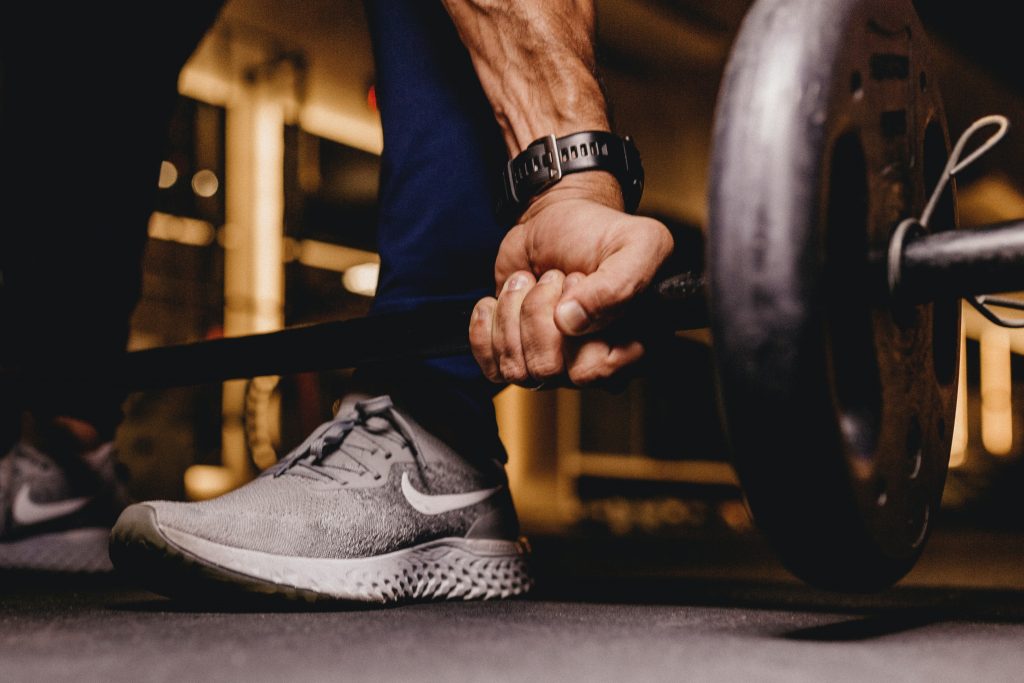
You’re not lifting weights
Lifting weights is one very important thing you can do when trying to lose weight.
This can help you maintain muscle mass, which is often lost along with body fat if you are not exercising.
Lifting weights can also help prevent metabolic slowdown and ensure that your body stays toned and muscular.
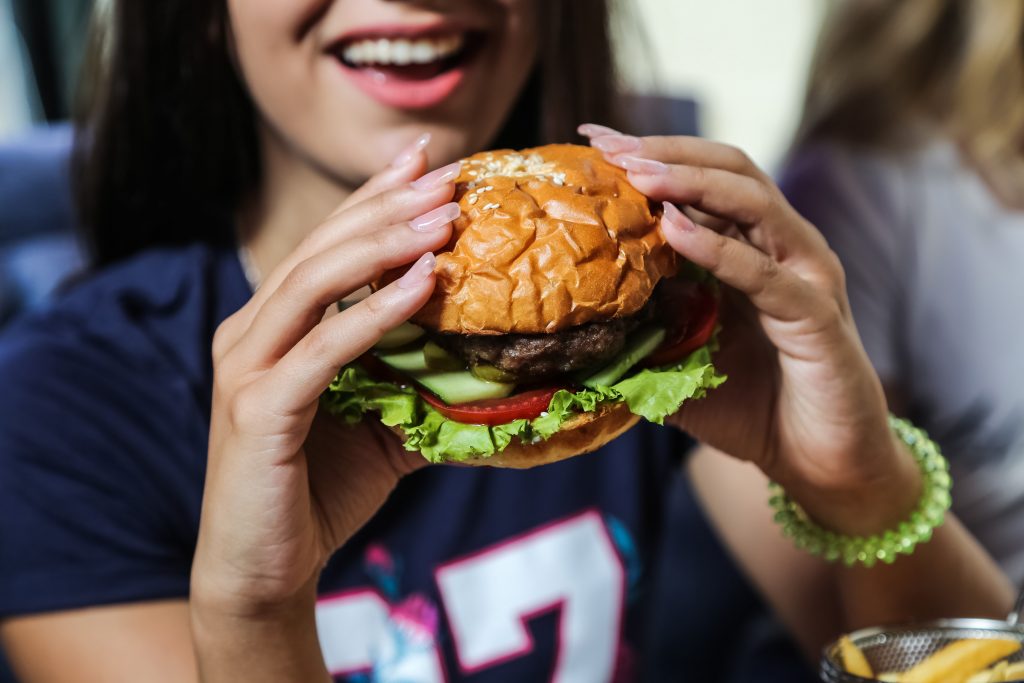
You’re binge eating
Binge eating involves rapidly eating large amounts of food, often much more than your body needs.
Some may binge on highly processed foods, while others binge on relatively healthy foods.
Even if something is deemed "healthy," its calories still count even if it's low-calorie.

You’re not doing cardio
Cardiovascular exercise is one of the most effective ways to improve your health.
It includes activities such as jogging, cycling, and swimming.
It is also very effective at burning belly fat, the harmful visceral fat that builds up around your organs and causes disease.
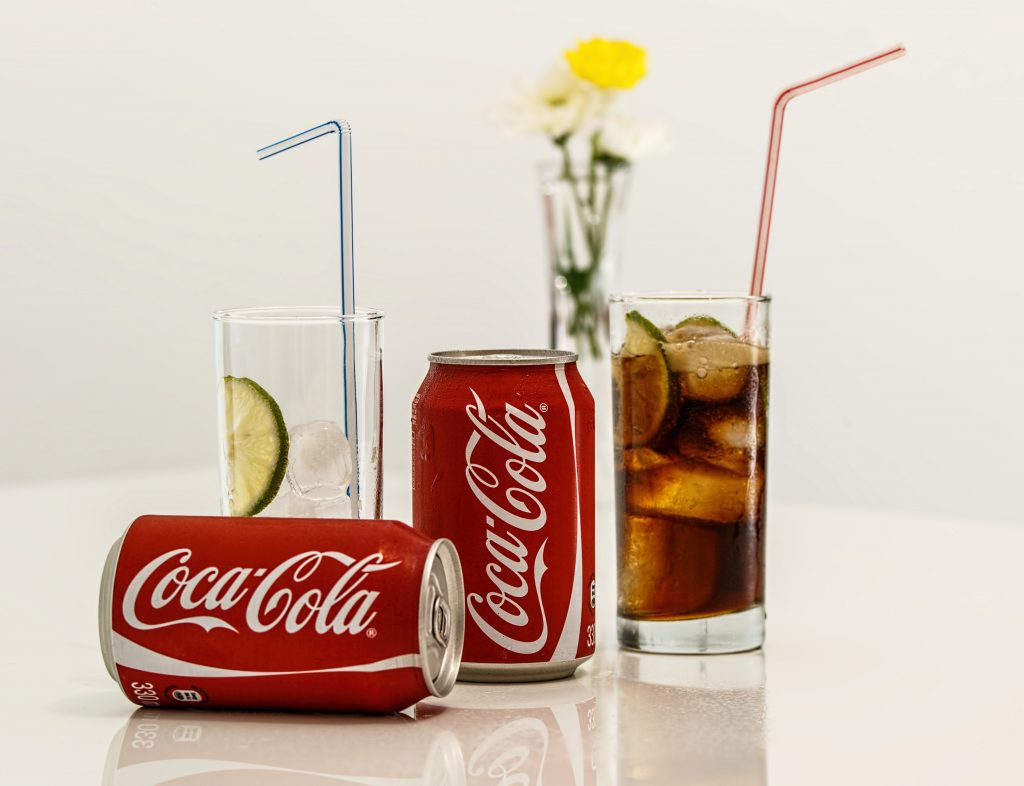
You’re still drinking sugar
Sugary beverages are significantly fattening items in the food supply.
Even fruit juices are problematic and should not be consumed in large amounts.
A single glass can contain a similar amount of sugar as several pieces of whole fruit.
Your brain doesn't compensate for the calories in sugary drinks by making you eat less of other foods.

You’re not sleeping well
Good sleep is one of the most important factors for your physical and mental health as well as your weight
Studies show that poor sleep is one of the single biggest risk factors for obesity.
Adults and children with poor sleep have a 55% and 89% greater risk, respectively, for developing obesity.
Reference
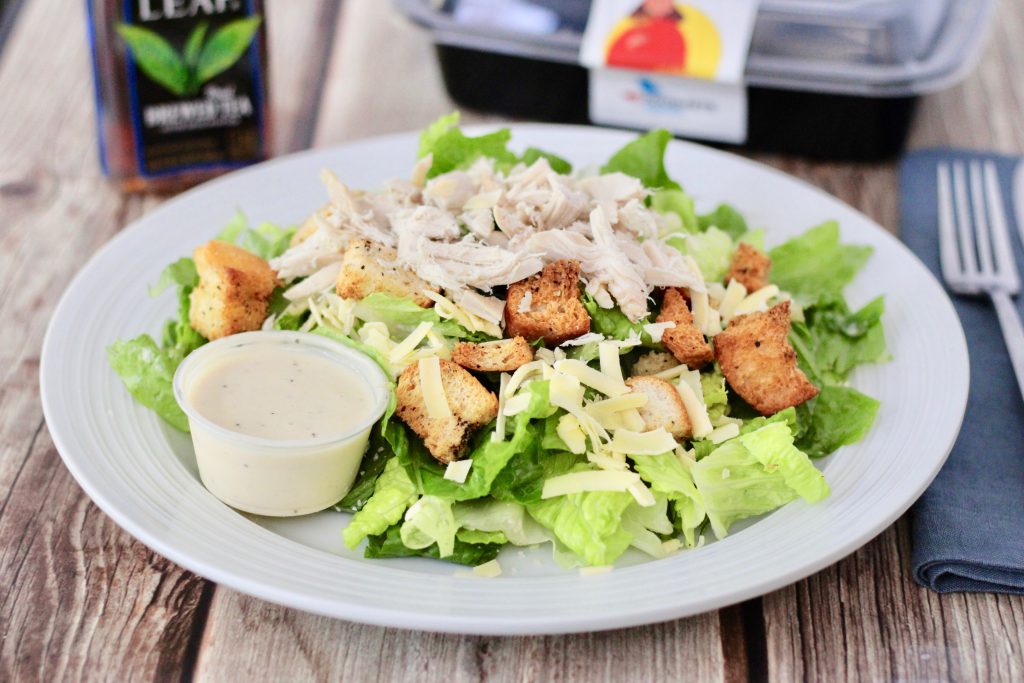
You’re not cutting back on carbohydrates
A low carb diet can help you lose more weight than the standard "low fat" diet.
In short-term studies, this type of diet has been shown to cause up to 3 times as much weight loss as the standard 'low fat' diet that is often recommended.
Reference

You’re not drinking enough water
In one 12-week weight loss study, people who drank half a liter of water 30 minutes before meals lost 44% more weight than those who did not.
Drinking water has also been shown to boost the number of calories burned by 24–30% over a period of 1.5 hours.
Reference

You’re drinking too much alcohol
If you like alcohol but want to lose weight, it may be best to stick to spirits mixed with a zero-calorie beverage.
Beer and sugary alcoholic beverages are very high in calories.
Moderate drinking seems to be fine, while heavy drinking is linked to weight gain.

You’re not eating mindfully
Mindful eating may be one of the world's most powerful weight loss tools.
It involves slowing down, eating without distraction and savoring each bite while listening to the natural signals that tell your brain when your body has had enough.
Numerous studies have shown it can cause significant weight loss and reduce the frequency of binge eating.
Reference

You have a medical condition that is making weight loss harder
There are some medical conditions that can drive weight gain and make it much harder to lose weight.
These include hypothyroidism, polycystic ovarian syndrome (PCOS).
If you think any of these apply to you, speak with your doctor about your options.

You sit long hours
Your desk job or TV obsession may make it harder for you to drop those extra kilos.
Even brief exercise breaks during the day can help you stay healthy.
Get up for three 10-minute walks around meetings or your favorite shows.
When you sit most of the time, your body can lose its ability to know when you've eaten too much -- you can overeat.
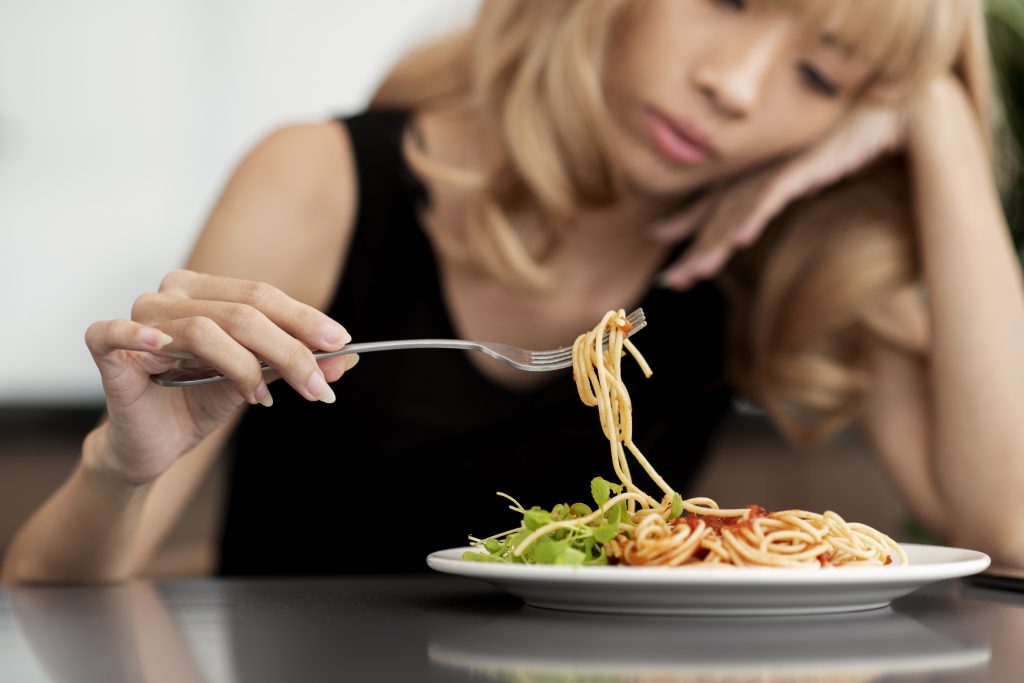
You stress eat
If you feel stressed, you’re more likely to reach for unhealthy, high-calorie treats for a quick comfort fix.
You may eat when you don't really need food.
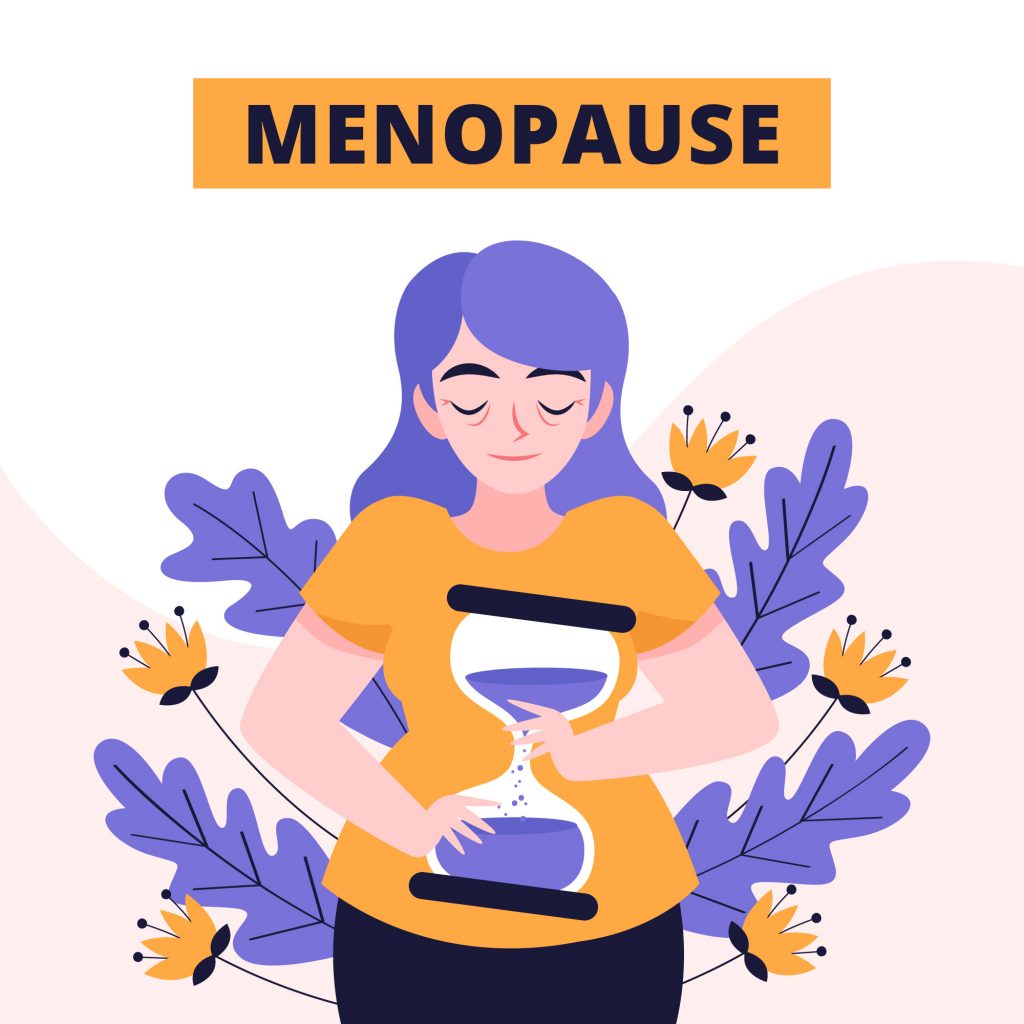
You’re in Menopause
If you’re like most women, you may find your weight creeps up during menopause.
Changes in hormones, less muscle mass and too little sleep can all lead to added kilos.
If you wake up tired, you're more likely to want to munch on snacks for a boost of energy later in the day.

Your medications make weight loss tough
Some drugs you take for health problems could make you gain a little weight.
For example, steroids can change your metabolism and make you feel hungrier -- you may overeat and gain extra belly fat.
Disclaimer: The advice provided is intended for informational purpose only and does not substitute for professional medical advice. Consult with your doctor if you’re seeking medical advice, diagnoses, or treatment.

Health Vectors
1st Floor
966, 27th Main, 8th Cross
Sector 1, HSR Layout
Bangalore 560102
(Behind Pai International)