Health Vectors
1st Floor
966, 27th Main, 8th Cross
Sector 1, HSR Layout
Bangalore 560102
(Behind Pai International)


Some of the well-known triggers of migraine include stress, lack of sleep and even may be exercise for some people. But there are also some foods that can easily trigger a migraine. Avoiding some foods can reduce the frequency and severity of migraine attacks.
Scientific research has shown that certain foods can in fact trigger a migraine attack. (https://pubmed.ncbi.nlm.nih.gov/30224869/).

Excess Caffeine- Research has shown that excessive coffee intake can trigger a migraine attack. 2 different studies have shown that cutting down on your caffeine intake does help reduce migraine frequency.(https://www.sciencedaily.com/releases/2016/11/161101103541.htm & https://www.sciencedaily.com/releases/2019/08/190808091422.htm) If you cannot start your day without coffee, remember the word “ Excessive” means limit yourself to less than 2 cups a day.

Red Wine- Studies have confirmed that alcoholic beverages can trigger a migraine attack (https://onlinelibrary.wiley.com/doi/abs/10.1111/ene.13861). It's because alcohol contains chemicals like tyramine and histamine that are the main issue. Red wine contains a lot of histamine.
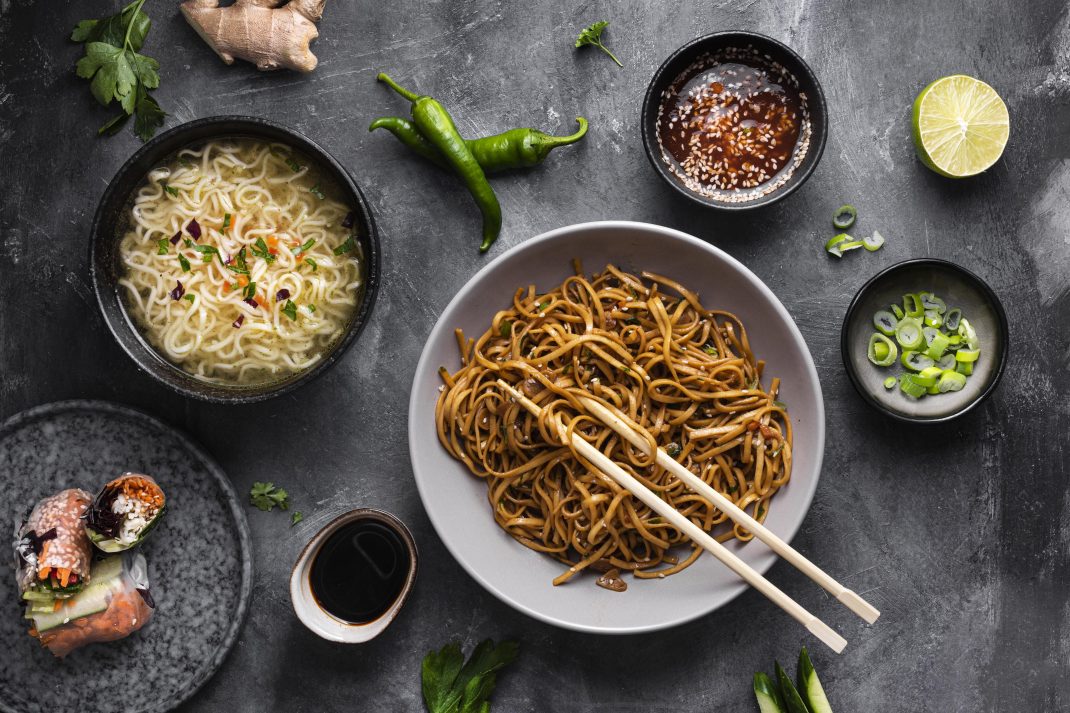
Foods containing (MSG) Monosodium Glutamate- MSG is a flavor enhancer used in a variety of processed foods, like frozen or canned foods, soups, snacks, seasoning and also Chinese food. The American migraine foundation notes that MSG may trigger severe migraine episodes in 10 to 15 percent of those with migraine. (https://americanmigrainefoundation.org/resource-library/diet/)

Chocolate- Chocolate is the most common trigger for migraine after alcohol. Chocolate contains both caffeine and beta-phenylethylamine, which may trigger headaches in some people. A study found that, compared to a placebo, chocolate triggered an attack in 42% of its subjects. (https://journals.sagepub.com/doi/abs/10.1046/j.1468-2982.1991.1102093.x)
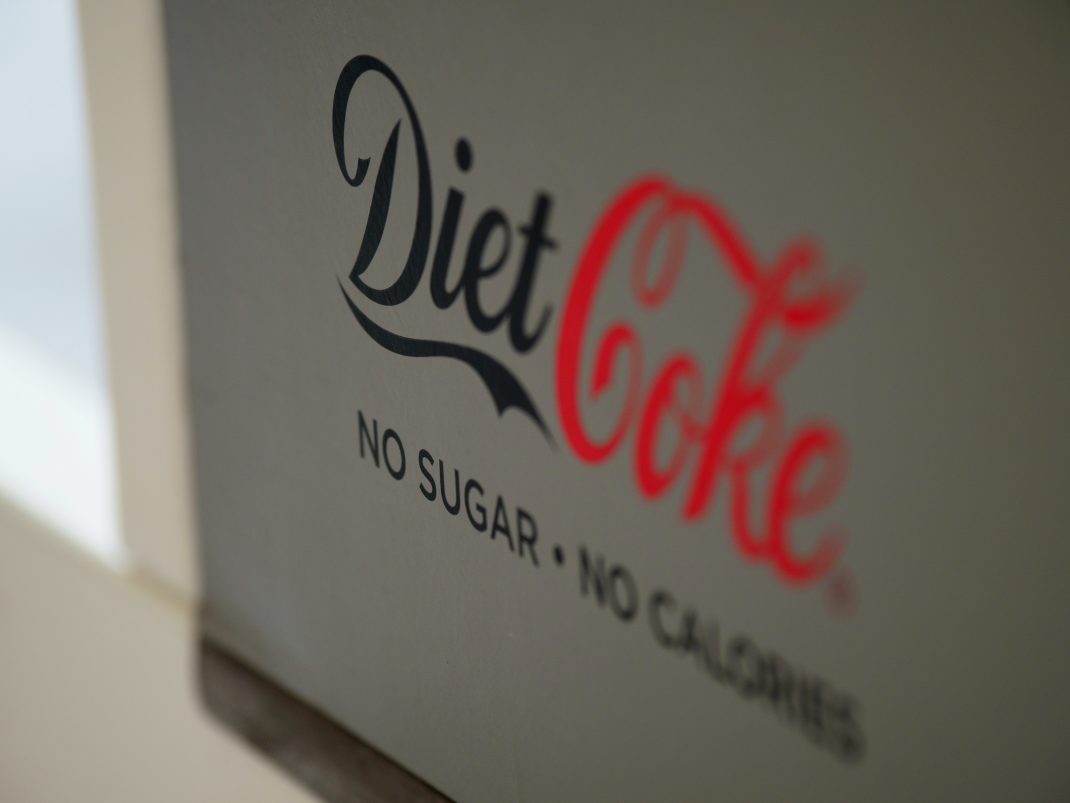
Artificial Sweeteners- Many processed foods and drinks contain artificial sweeteners like aspartame which is known to trigger migraine in many. Research suggests that artificial sweeteners like aspartame commonly found in Diet Coke and other calorie-free drinks may increase the risk of migraine headaches. (https://headachejournal.onlinelibrary.wiley.com/doi/abs/10.1111/j.1365-2524.1988.hed2801010.x)
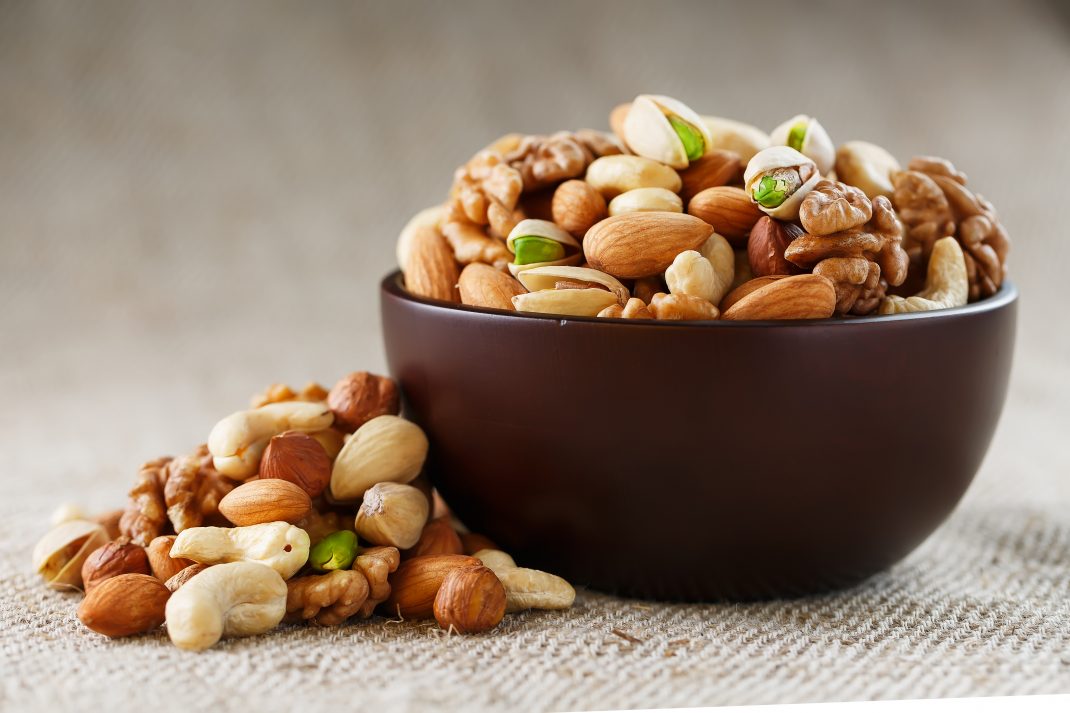
Nuts- Nuts like almonds, peanuts, pecans etc. are rich in tyramine which is a common migraine trigger. (https://www.ncbi.nlm.nih.gov/pmc/articles/PMC3696968/)

Aged Cheese- Aged cheese like feta, parmesan etc. are rich in a migraine triggering substance called tyramine. The longer the cheese has aged, the higher the tyramine content will be.

Cured Meats- Cured meat like sausages contain preservatives called nitrites that help to preserve color and flavor. These foods can release nitric oxide into the blood, which is thought to dilate blood vessels in the brain. Some studies show that nitric oxide can cause or contribute to migraine. (https://pubmed.ncbi.nlm.nih.gov/19673897/)
Identifying and managing food triggers is a crucial step in managing migraines. While these triggers may vary from person to person, paying attention to your body's response to different foods and maintaining a consistent, balanced diet can be key. If you suspect that certain foods are contributing to your migraines, consulting with a healthcare professional or a registered dietitian can provide personalized guidance on managing your diet to minimize the risk of migraine episodes.

Health Vectors
1st Floor
966, 27th Main, 8th Cross
Sector 1, HSR Layout
Bangalore 560102
(Behind Pai International)