Health Vectors
1st Floor
966, 27th Main, 8th Cross
Sector 1, HSR Layout
Bangalore 560102
(Behind Pai International)


All the body's cells need water to function well. The problem arises when you drink too much water, which is called overhydration.
Overhydration and water intoxication happen when a person drinks more water than their kidneys can get rid of via urine.
Causes if water intoxication
Water intoxication is rare, and it is very difficult to consume too much water by accident.
Water intoxication most commonly affects people participating in sporting events or endurance training, or people who have certain mental health conditions like compulsive water drinking, also called psychogenic polydipsia.
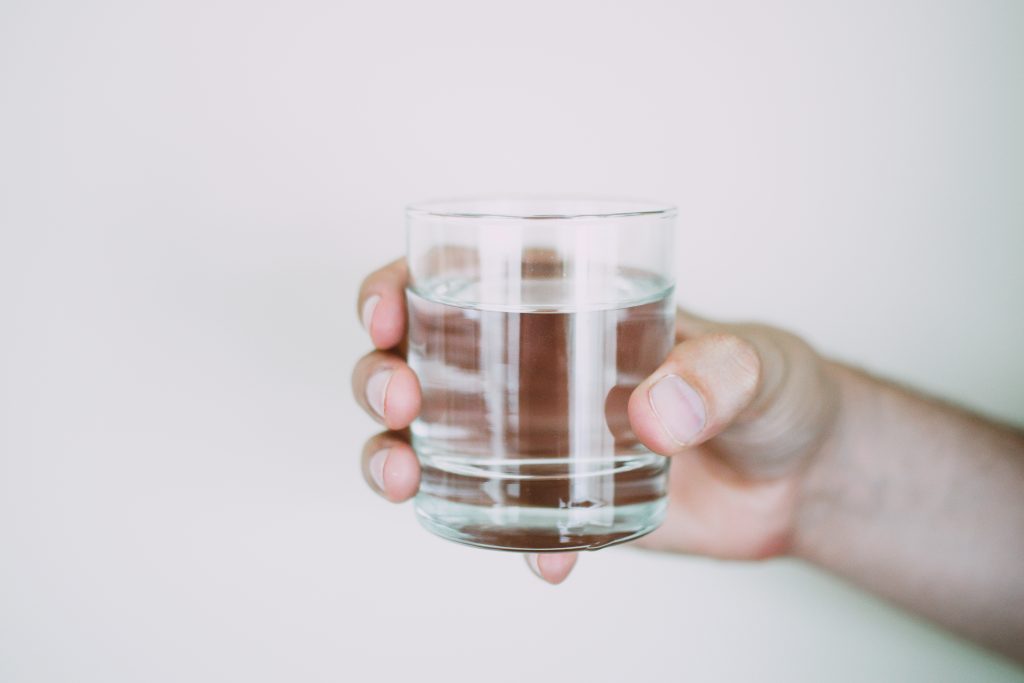
What happens when you drink too much water ?
When you drink too much water, your kidneys can't get rid of the excess water.
The sodium content of your blood becomes diluted. This is called hyponatremia and it can be life-threatening.
Sodium is a crucial element that helps keep the balance of fluids in and out of cells.
When its levels drop due to a high amount of water in the body, fluids get inside the cells.
Then the cells swell, putting you at risk of having seizures, going into a coma, or even dying.
SIGNS YOU ARE DRINKING TOO MUCH WATER
Color of urine
One of the best ways to determine if you are drinking enough water is to monitor the color of your urine.
If it is dark yellow, then it is a bad sign, meaning that you are dehydrated.
Ideally, your pee should be light yellow, that shows your hydration level is optimal.
However, if your urine is transparent, it might mean you are overhydrated and need to manage your water intake.
Frequent washroom tips
Increased water intake can cause frequent urination, including at nighttime.
Most people urinate between 6 to 8 times a day, but if you urinate over ten times a day, it could mean that you are drinking more water than your body needs.
Lingering headaches and experiencing headaches
Headaches can signify both hydration and dehydration.
Excess water in the body causes the body's salt levels to go down and the cells to swell.
This swelling causes them to grow in size, and those in the brain press against the skull.
It can cause a throbbing headache and may lead to brain impairment and sometime trouble breathing .

Tiredness or fatigue
Drinking too much water your kidneys to work too hard to remove the excess amount and lose sodium from the blood in the process
This can cause a dip in energy levels, drowsiness, and a constant feeling of fatigue and tiredness.
Swollen feet, hands or lips
Water helps in maintaining the body’s electrolyte balance.
Electrolytes essentially help in keeping our energy level high.
When you drink too much water, this balance fluctuates.
Signs of you experiencing an electrolyte imbalance, may be in the form of swelling in the hands, feet, or lips.

Weak and shaky muscles
When electrolyte levels drop because of drinking too much water, your body balance goes for a toss.
If you notice shaking, and pain in your arms and legs, unrelated to physical exhaustion, then it could be a sign of overhydration.
Also, low electrolyte levels in the body can cause muscle spasms and cramping.
How much water do you need?
Every day you lose water through your breath, perspiration, urine and bowel movements.
For your body to function properly, you must replenish its water supply by consuming beverages and foods that contain water.
There are no verified guidelines for the amount of water you need to drink daily.
How much your body needs depends on your:
*Physical activity levels
*Climate
*Body weight
*Sex
*Medical conditions that may require fluid restriction* (eg. Kidney disease, renal dialysis etc.)
*Speak with your doctor about water recommendations for you.

Is water the only option to stay hydrated?
No. What you eat also provides a significant portion of your fluid needs.
Many fruits and vegetables are almost 100% water by weight.
Drinks such as coffee and soda can contribute to your daily water intake.
But go easy on sugar-sweetened drinks, which may provide more calories than needed.
How do you know you are drinking enough?
Your fluid intake is probably adequate if:
*You rarely feel thirsty
*Your urine is colorless or light yellow
To prevent dehydration, it's a good idea to drink a glass of water:
*With each meal and between meals
*Before, during and after exercise *Whenever you feel thirsty

Health Vectors
1st Floor
966, 27th Main, 8th Cross
Sector 1, HSR Layout
Bangalore 560102
(Behind Pai International)