Health Vectors
1st Floor
966, 27th Main, 8th Cross
Sector 1, HSR Layout
Bangalore 560102
(Behind Pai International)

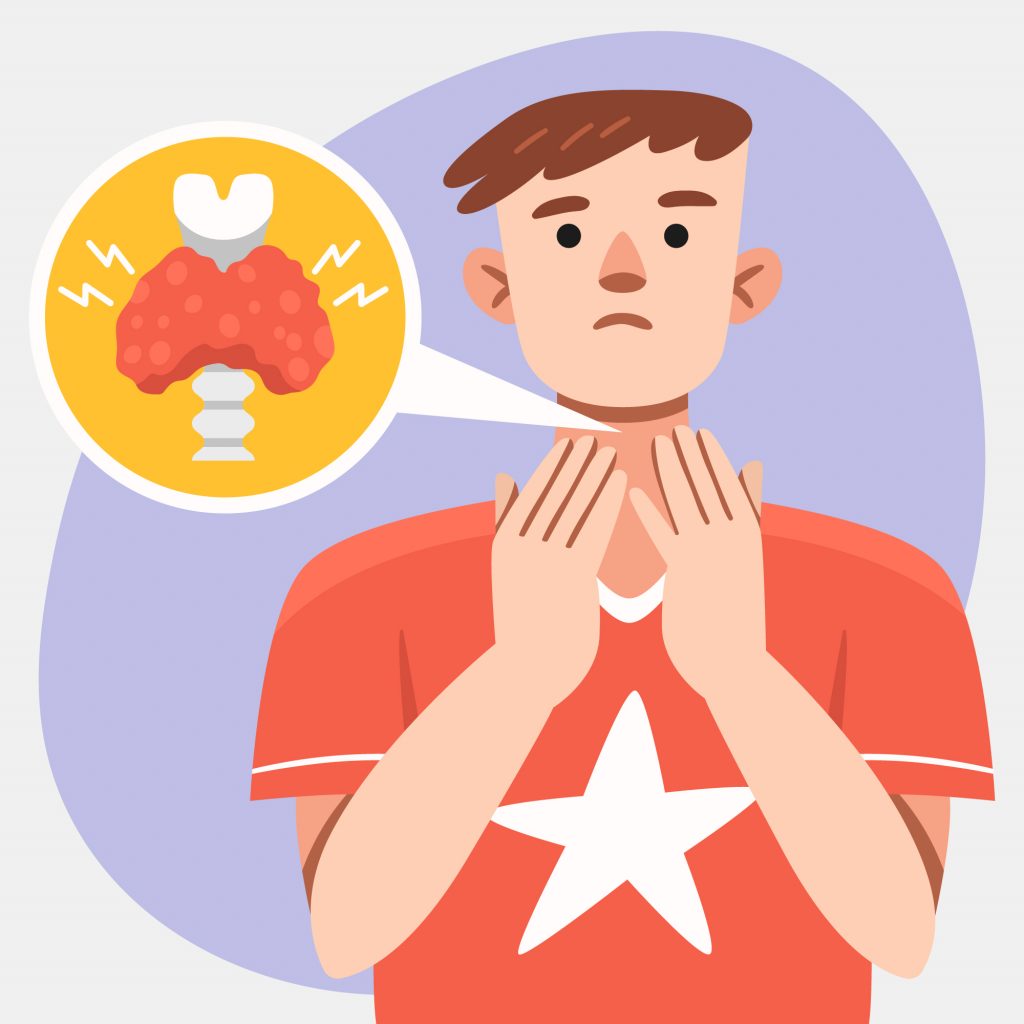
A combination of the right nutrients and medication can help restore thyroid function.
Hypothyroidism affects 1–2% of people worldwide and is 10 times more likely to affect women than men.
Foods alone won't cure hypothyroidism, but a combination of supplements can help.
Avoid - Gluten
Gluten, a protein found in foods processed from wheat, barley etc. can alter the digestive system and irritate the small intestines.
It is advised that individuals with autoimmune related hypothyroidism avoid a large amount of gluten intake for proper functioning of the thyroid gland.
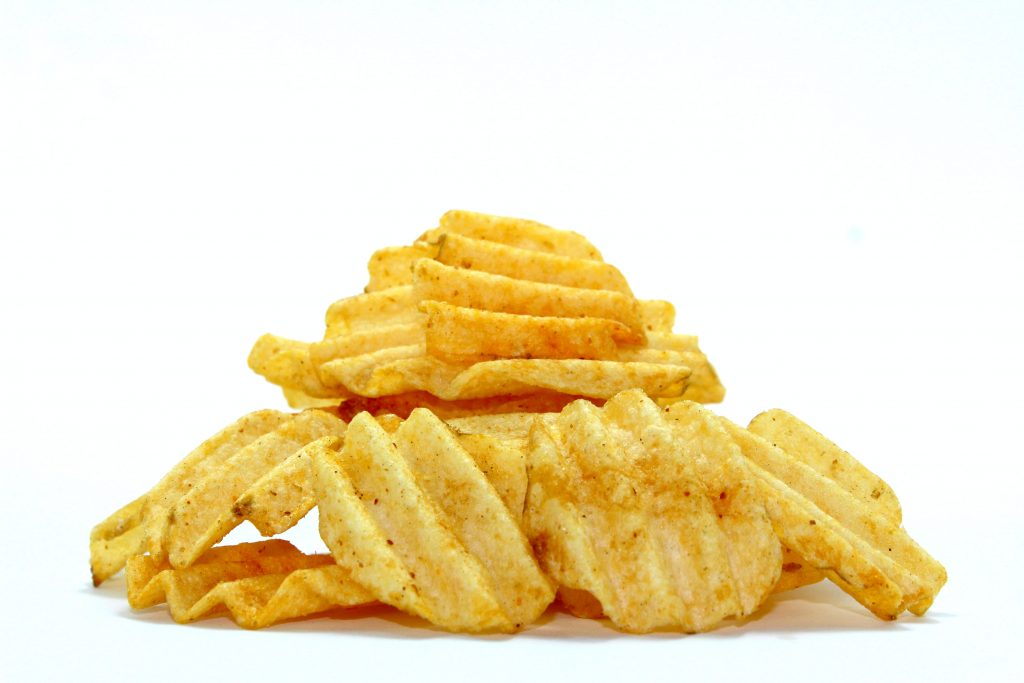
Avoid - Processed and junk food
The processed foods such as preserved meat (sausages etc.), canned soups, ready-to-eat food, desserts, packed chips or fritters have tons of salt, sugar, oil and preservatives in them and should be avoided.
These foods are empty calories with zero or little nutrition and put an unnecessary calorie burden on the body.
Due to the slower metabolism in hypothyroidism, it makes it harder to burn the excess calories and can lead to obesity.
Avoid - Soy and its products
Soy, tofu, soy flour and soy milk are rich in isoflavones, a compound that is believed to increase the risk of hypothyroidism
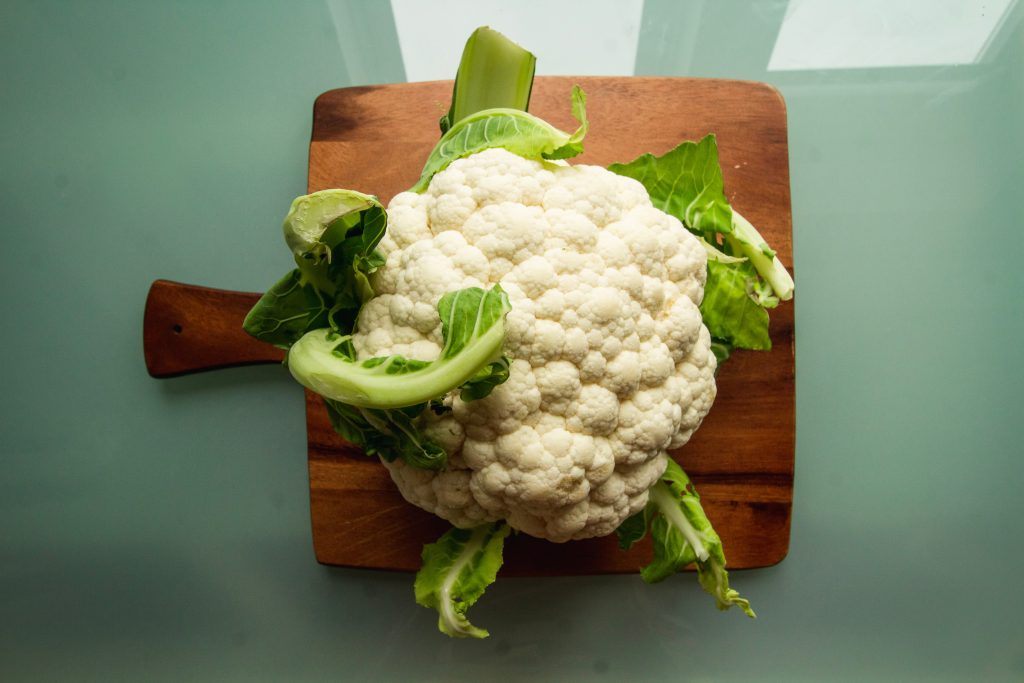
Avoid - Cruciferous vegetables
Cruciferous vegetables like broccoli, cauliflower and cabbage are known to be packed with nutrition and fiber-rich but they contain a compound known as goitrogens, which can affect thyroid function.
Research suggests that cruciferous vegetables interfere with iodine absorption and decrease thyroid hormone production and should not be consumed raw.
Eat - Eggs
Eggs contain iodine and selenium, which are essential nutrients required by the body to synthesize the thyroid hormones.
The thyroid plays an important role in regulating body weight by controlling the metabolism.
Both components found in eggs can help the thyroid function better and thereby regulate weight loss.
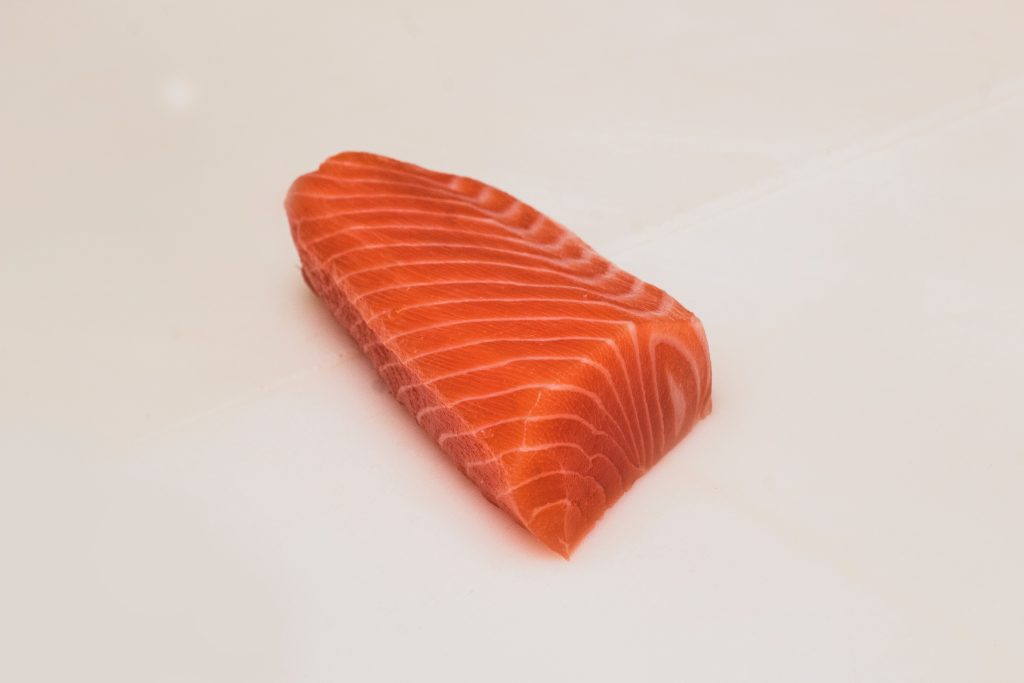
Eat - Seafood
Saltwater fish (tuna, salmon etc.) and shellfish boost the thyroid function as they are rich in Omega-3, selenium and most importantly, iodine, an important component of the thyroid hormone
Eat- Chicken & Meat
Zinc is another key nutrient for your thyroid—your body needs it to churn out thyroid hormone.
Taking too little zinc, and can lead to hypothyroidism.
Mutton and chicken are both good sources of zinc.
Speak with an expert on the right amount to be consumed, without overdoing it.
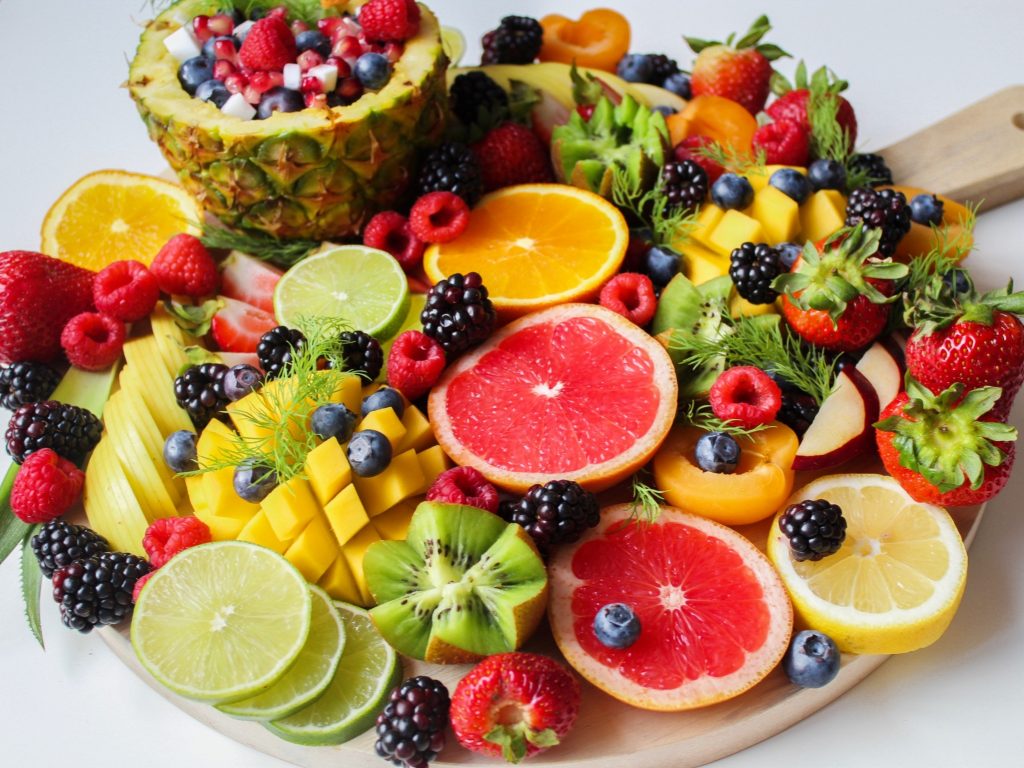
Eat - Fruits
Consume specifically, fruits that are high in anti-oxidants.
Anti-oxidants, besides being praised for their disease-preventing qualities, are great for keeping your thyroid running smoothly.
Some fresh fruits to include in your diet are pears, guava, watermelon, papaya, oranges, blueberries, kiwi etc.
Eat - Yogurt
Plain, low-fat and Greek yogurts are all good sources of iodine.
In fact, most dairy products are rich in iodine, but relying on dairy alone won’t give you all that you need.
Working some dairy into your diet can be good for your thyroid but be sure not to consume it in excess.
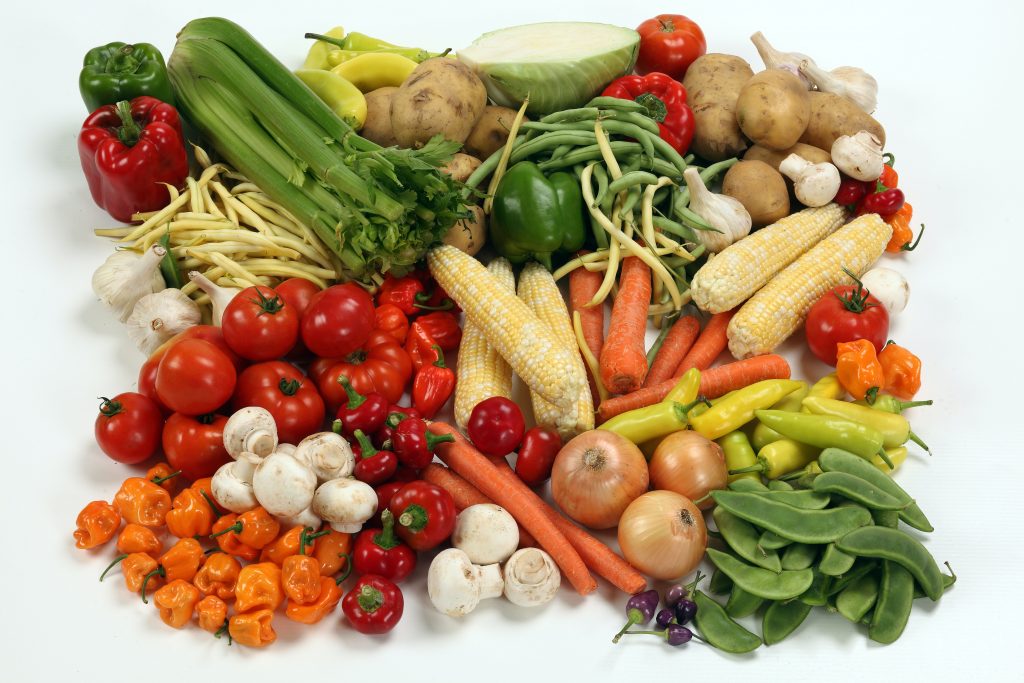
Eat - Vegetables
An early symptom of hypothyroidism is weight gain.
Low-calorie, high-density foods such as fresh vegetables are the cornerstone of every successful weight loss program.
Include either fresh veggies at each meal, if possible
Eat - Seeds
Flax, hemp, and chia seeds are rich in ALA, an omega-3 fat that supports thyroid function and other hormone balance.
Healthy fat is imperative to keeping inflammation low and mood high.
They also help regulate blood sugar, brain function, and appetite control.
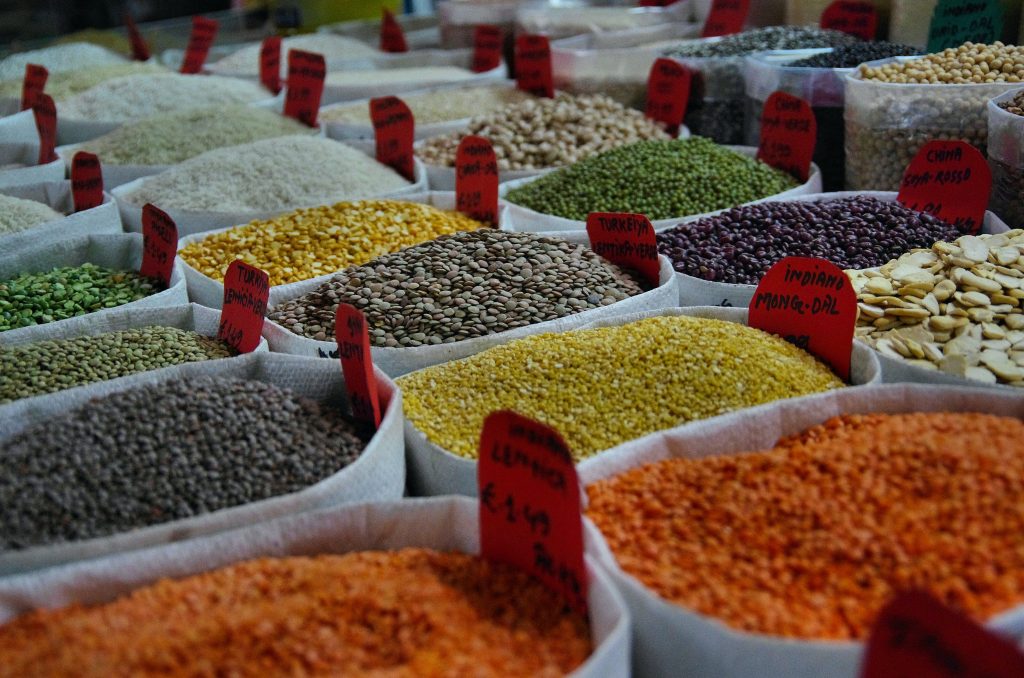
Eat - Whole grains
The body uses up more energy to digest whole grains.
The metabolism increases with the extra fiber as the body must work harder to break down the whole grains.
Try to eat oats, brown rice, sprouts, sprouted grain bread and quinoa to rev up your metabolism and help your thyroid gland.
Eat - Beans & Legumes
Beans and legumes are rich, not just in Zinc but fiber as well.
These help to regulate the digestive system, especially the bowel movement and prevent constipation.
Chickpeas are one of the healthiest options for thyroid problems.
Disclaimer: The advice provided is intended for informational purpose only and does not substitute for professional medical advice. Consult with your doctor if you’re seeking medical advice, diagnoses, or treatment.

Health Vectors
1st Floor
966, 27th Main, 8th Cross
Sector 1, HSR Layout
Bangalore 560102
(Behind Pai International)