Health Vectors
1st Floor
966, 27th Main, 8th Cross
Sector 1, HSR Layout
Bangalore 560102
(Behind Pai International)

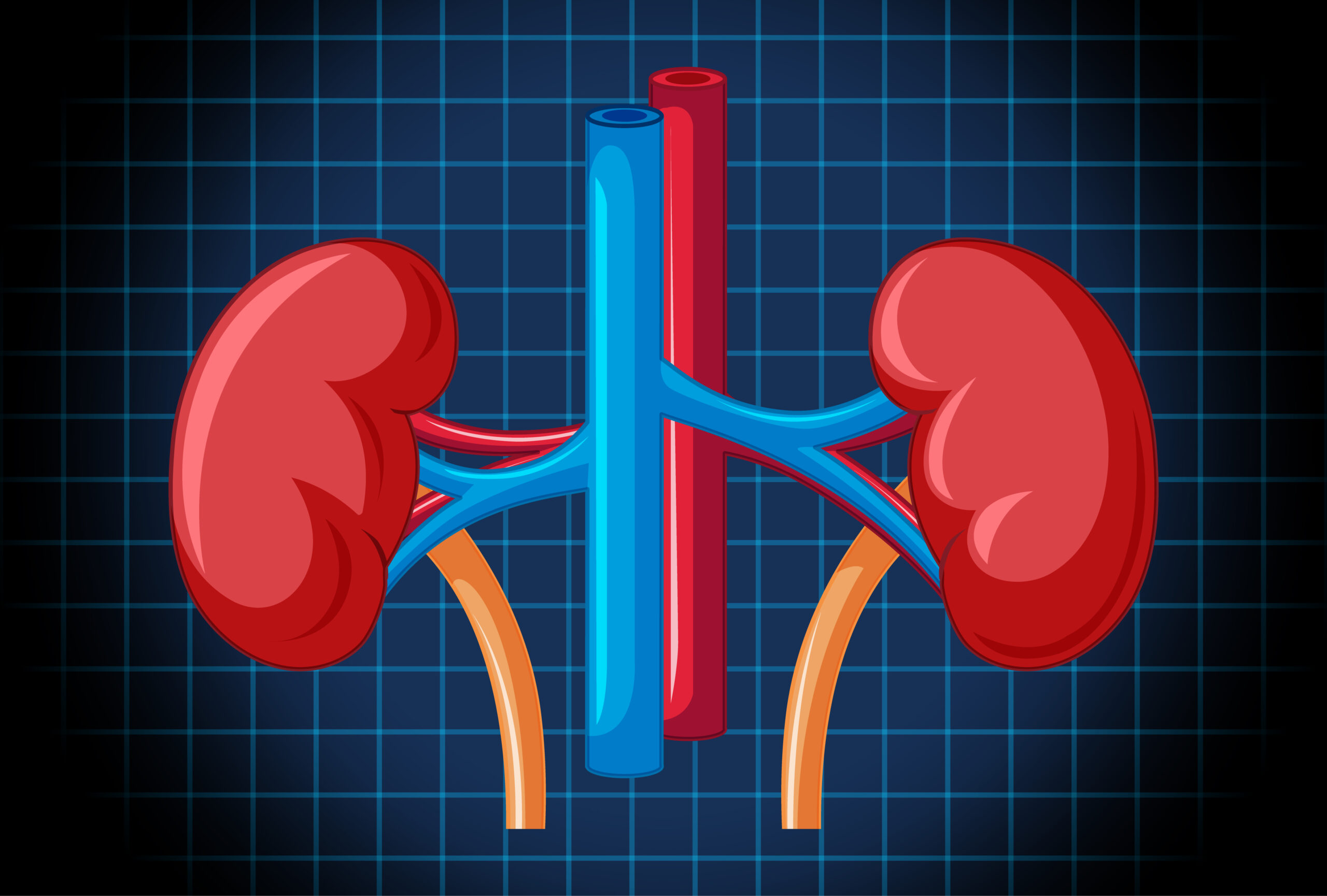
Your kidneys work 24/7 to keep the body healthy by filtering out toxins and extra fluid and regulating blood pressure.
Damage to these vital organs could be irreversible, yet so many are unaware of what might be harmful.
Here a list of common habits that you might not realize are putting pressure on your kidneys.
Dehydration
Staying well hydrated helps your kidneys clear sodium and toxins from the body.
Drinking plenty of water is also one of the best ways to avoid painful kidney stones.
Those with kidney problems or kidney failure may need to restrict their fluid intake, but for most people, drinking 1.5 to 2 liters of water per day is a healthy target.
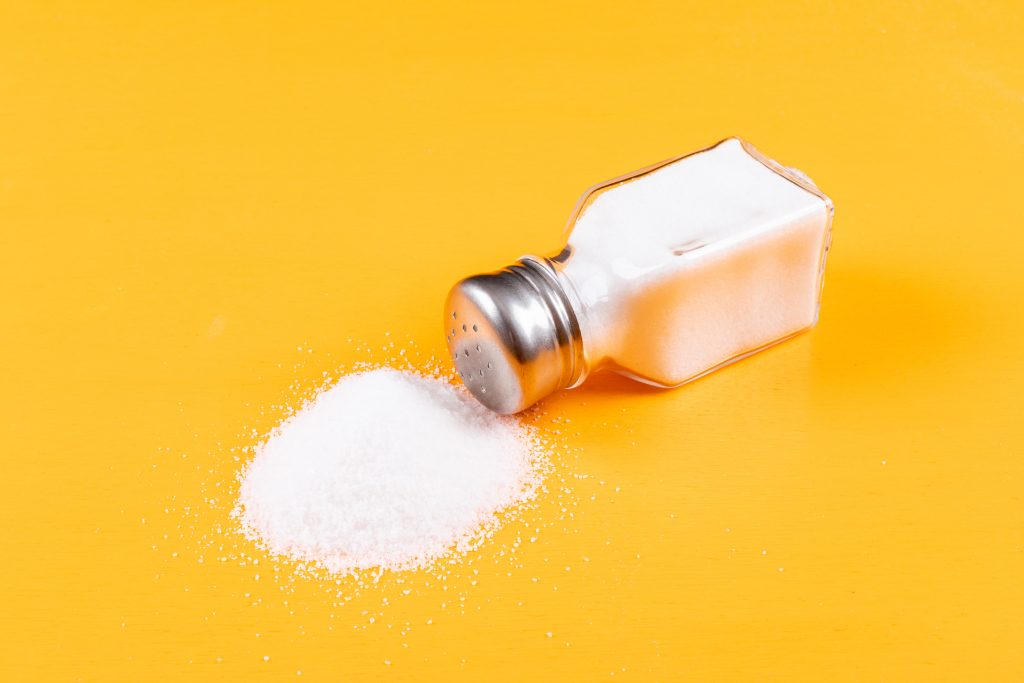
Abusing the salt shaker
Diets high in salt are high in sodium, which can increase blood pressure and, in turn, harm your kidneys.
Flavor your foods with herbs and spices instead of salt.
Over time, you may find it easier to avoid using added salt (sodium) in your food.
Reference
Overusing painkillers
Long term use of over-the-counter pain killers.
Many chronic kidney failure cases are caused by the overuse of painkillers.
Long-term use, especially at high doses, has a harmful effect on kidney tissue and structures.
These drugs can also reduce the blood flow to the kidney.
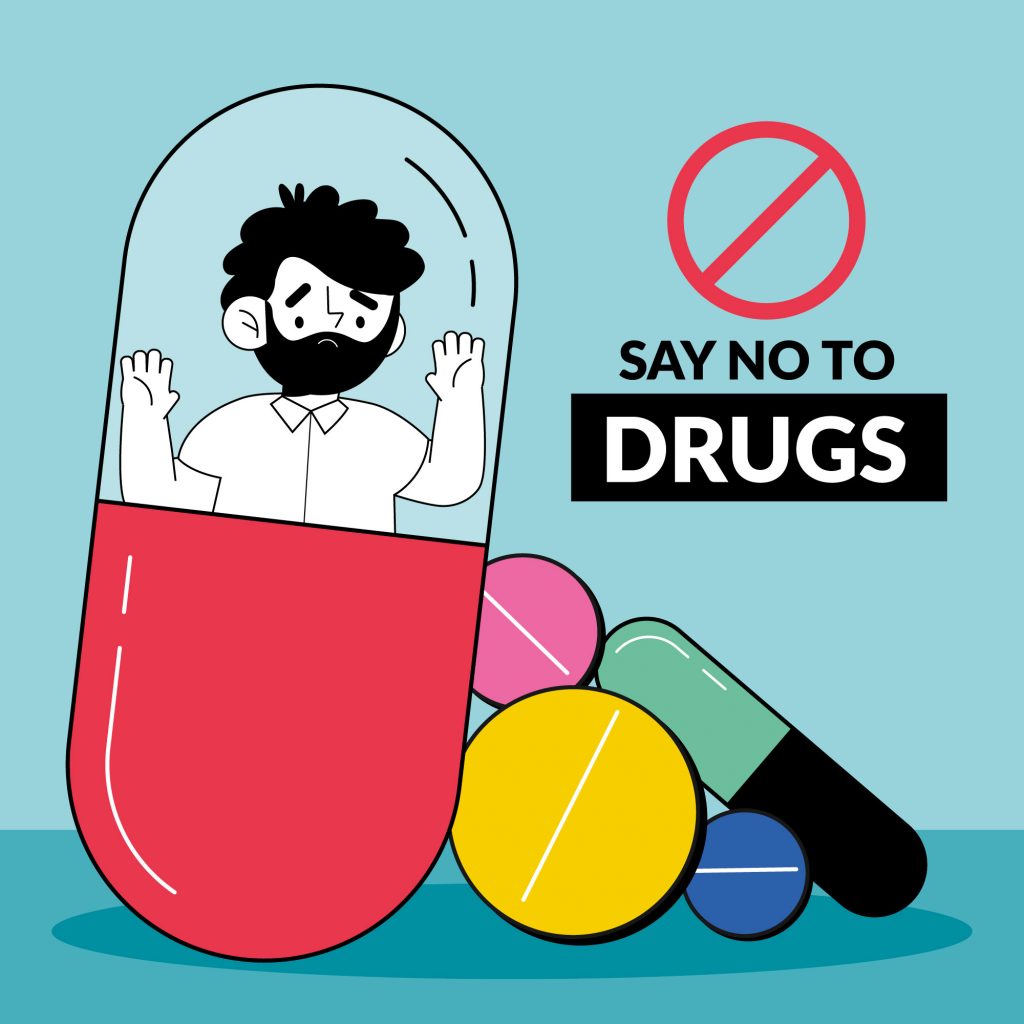
Illegal drugs
The use of cocaine, heroin etc. can cause kidney damage in different ways
Some of these drugs can lead to high blood pressure, as well -- one of the leading causes of kidney disease.
Too much meat
Animal protein generates high amounts of uric acid in the blood.
Excess of uric acid can be harmful to the kidneys and cause acidosis – a condition in which kidneys cannot eliminate acid fast enough.
Protein is needed for growth, upkeep and repair of all parts of the body, but your diet should be well balanced with fruits and vegetables.
Smoking
Sure, smoking isn't good for your lungs or your heart.
But did you know that smoking may not be good for your kidneys either?
People who smoke are more likely to have protein in the urine – a sign of kidney damage.
Smokers are also more likely to need dialysis or kidney transplants.
Drinking Alcohol in Excess
Regular heavy drinking – more than four drinks a day – has been found to double the risk chronic kidney disease.
Heavy drinkers who also smoke have an even higher risk of kidney problems.
Smokers who are heavy drinkers have about five times the chance of developing chronic kidney disease than people who don’t smoke or drink alcohol to excess.
Reference

Too much workout
Working out too hard for too long can cause damaged muscle tissue breaks down very fast.
This dumps substances into your blood that can hurt your kidneys and make them fail.
Don’t overdo it. Build up your workouts gradually – don’t suddenly make them more intense.
If you can, avoid working out in high heat and humidity.
Steroids for body building
Some people take anabolic steroids -- drugs that work like the male hormone testosterone -- to get extreme muscles.
But they can cause scarring in the parts of your kidneys that filter your blood.
This can make your body parts swell, make you lose protein in your blood, and give you high cholesterol.

Heartburn medicines
Heartburn meds cut down the stomach acid but can cause swelling of your kidneys if taken over a long period of time.
Some studies suggest that taking a lot of these meds can also make you more likely to get long-term kidney disease.
Make diet changes that can help with your heartburn or speak with your doctor for other medicines that can help.
Cola based soft drinks
If you drink two or more diet sodas a day, you may be more likely to get kidney disease.
Studies have shown that drinking two or more colas a day-diet or regular-is linked to a higher risk of developing chronic kidney disease.
Reference

Foods high in sugar
Sugar contributes to obesity which increases your risk of developing high blood pressure and diabetes, two of the leading causes of kidney disease.
In addition to desserts, sugar is often added to foods and drinks that you may not consider “sweet.”
Avoid condiments, breakfast cereals, and white bread which are all sneaky sources of processed sugar.
Pay attention to the ingredients when buying packaged goods to avoid added sugar in your diet.
Missing out on sleep
A good night’s rest is extremely important to your overall well-being and, it turns out, your kidneys.
Kidney function is regulated by the sleep-wake cycle which helps coordinate the kidneys’ workload over 24 hours.
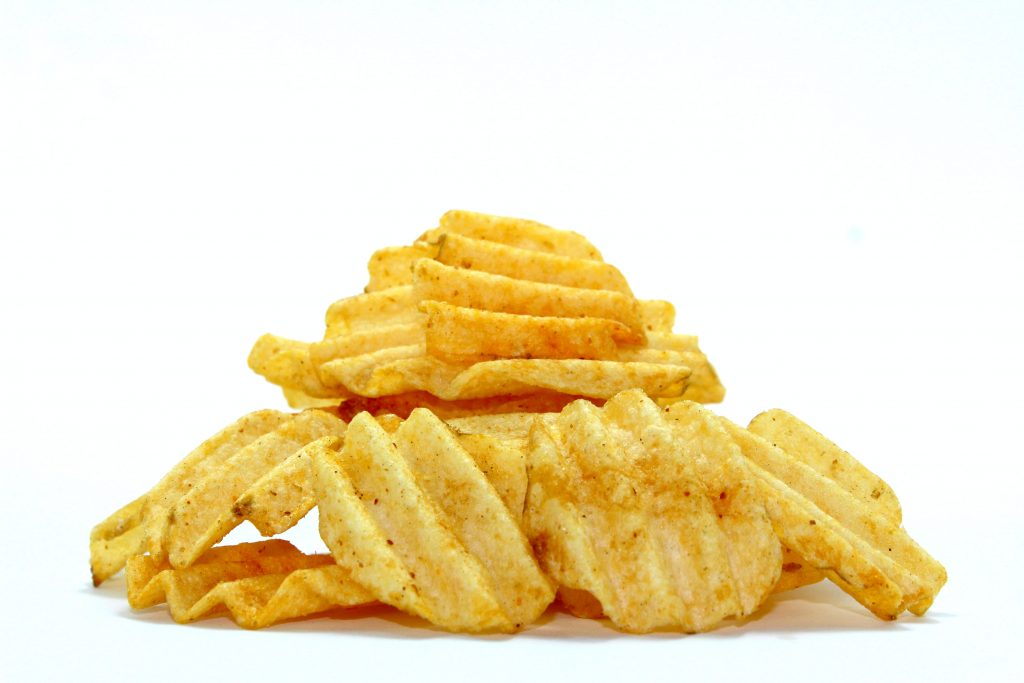
Processed food
Processed foods are significant sources of sodium and phosphorus.
Many people who have kidney disease need to limit phosphorus in their diets.
Some studies have shown that high phosphorus intake from processed foods in people without kidney disease may be harmful to their kidneys and bones.
Reference
Disclaimer: The advice provided is intended for informational purpose only and does not substitute for professional medical advice. Consult with your doctor if you’re seeking medical advice, diagnoses, or treatment.

Health Vectors
1st Floor
966, 27th Main, 8th Cross
Sector 1, HSR Layout
Bangalore 560102
(Behind Pai International)