Health Vectors
1st Floor
966, 27th Main, 8th Cross
Sector 1, HSR Layout
Bangalore 560102
(Behind Pai International)


What is Iron and it's role in the body?
Iron is a major component of hemoglobin, a type of protein in red blood cells that carries oxygen from your lungs to all parts of the body.
Without enough iron, there aren’t enough red blood cells to transport oxygen, which leads to fatigue.
Iron is also part of myoglobin, a protein that carries and stores oxygen specifically in muscle tissues.
Iron is important for healthy brain development and growth in children, and for the normal production and function of various cells and hormones.
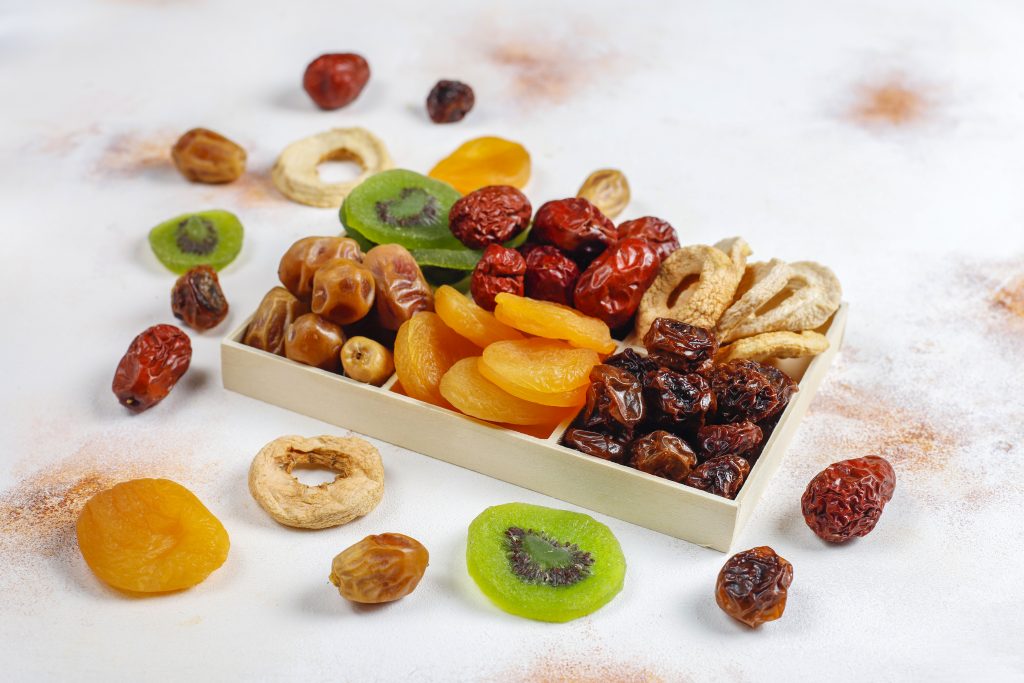
Dietary sources of Iron
Iron is found naturally in many foods and is added to some fortified food products. You can get recommended amounts of iron by eating a variety of foods, including the following:
*Lean meat, seafood, and poultry.
*Iron-fortified breakfast cereals and breads.
*White beans, lentils, spinach, kidney beans, and peas.
*Nuts and some dried fruits, such as raisins.
Types of Dietary Iron
Iron in food comes in two forms: heme iron and non-heme iron.
Non-heme iron is found in plant foods and iron-fortified food products.
Meat, seafood, and poultry have both heme and nonheme iron.
Your body absorbs iron from plant sources better when you eat it with foods that contain vitamin C, such as citrus fruits, strawberries, sweet peppers, tomatoes, and broccoli etc.
Daily requirement of iron
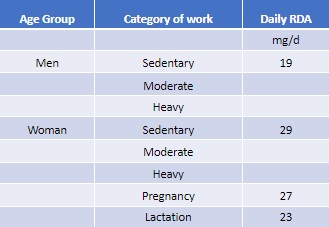
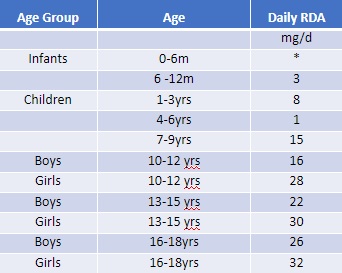
Iron Deficiency
Iron-deficiency anemia is the most common type of anemia. It occurs when your body doesn't have enough iron, which your body needs to make hemoglobin. When there isn't enough iron in your blood, the rest of your body can't get the oxygen it needs.
The World Health Organization (WHO) estimates that approximately half of the 1.62 billion cases of anemia worldwide are due to iron deficiency.
Reference
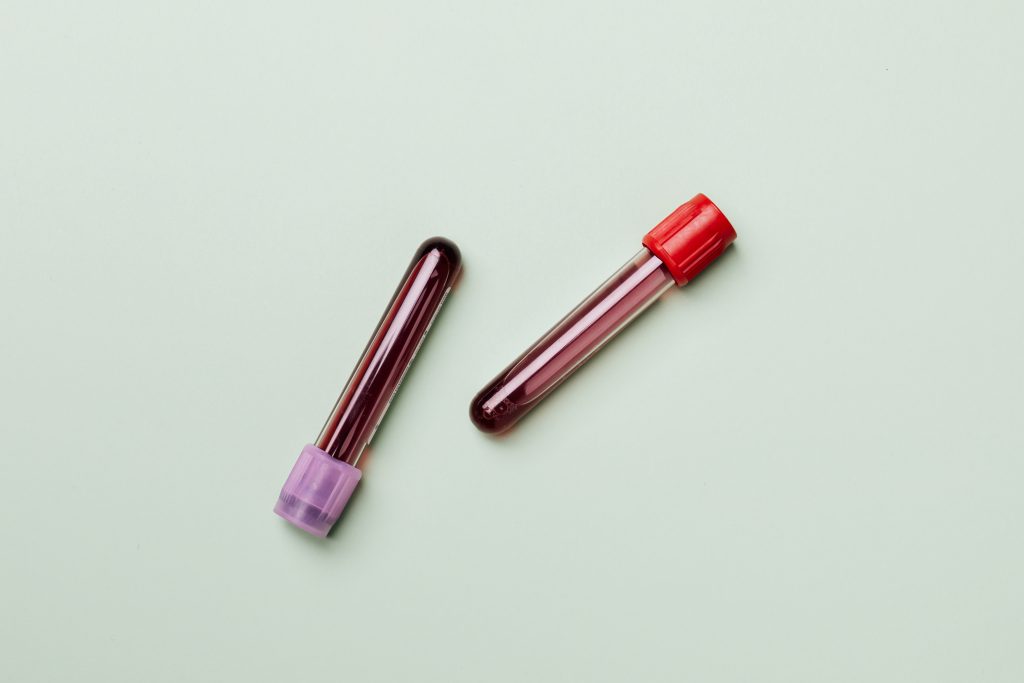
Screening for iron deficiency
A CBC provides information about your blood that’s helpful in diagnosing iron-deficiency anemia. This information includes:
*the hematocrit level, which is the percent of blood volume made up of RBCs
*the hemoglobin level
*the size of your RBCs

Symptoms of Iron Deficiency Anaemia
The symptoms of iron-deficiency anemia can be mild at first, and you may not even notice them. Most people don’t realize they have mild anemia until they have a routine blood test.
The symptoms of moderate to severe iron-deficiency anemia can include:
general fatigue
*weakness
*pale skin
*shortness of breath
*dizziness
*strange cravings to eat items with no nutritional value
*a tingling or crawling feeling in the legs
*tongue swelling or soreness
*cold hands and feet
*fast or irregular heartbeat
*brittle nails
*headaches
Causes of Iron Deficiency Anaemia
Inadequate iron intake- Eating too little iron over an extended amount of time can cause a shortage in your body.
Internal Bleeding- Certain medical conditions (eg. Stomach ulcer, colon cancer etc.)can cause internal bleeding, which can lead to iron-deficiency anemia. Regular use of certain pain relievers, such as aspirin, can also lead to bleeding in the stomach.
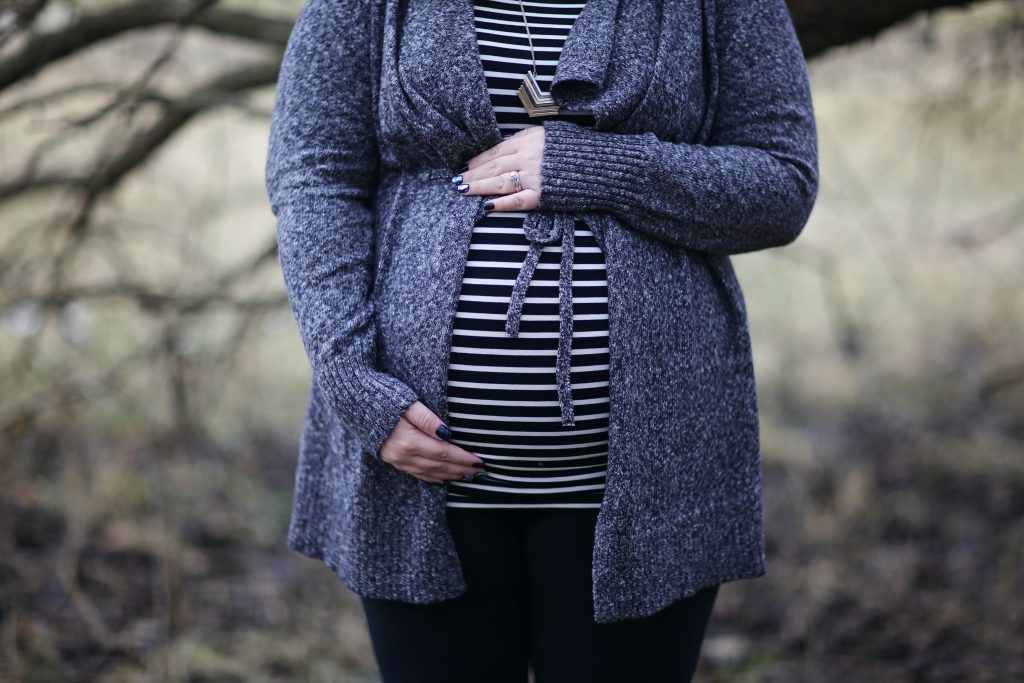
Causes of Iron Deficiency Anaemia
Pregnancy or blood loss due to menstruation- Heavy menstrual bleeding is a common cause of iron-deficiency anemia in women of childbearing age. Pregnant women need more iron during this time in order to create enough oxygen for the baby.
Inability to absorb iron- Even if you get enough iron from your diet, certain disorders or surgeries that affect the intestines can also interfere with how your body absorbs iron.
What are the risk factors of iron-deficiency anaemia?
Some people may be at greater risk of iron-deficiency anaemia than others, including:
*Pregnant women and women of childbearing age.
*Menstruating women—women who experience heavy bleeding during menstruation.
*Children—infants and children have high iron needs due to their rapid growth.
*Elderly—older ages are associated with a higher risk of poor nutrition and chronic inflammatory diseases that can lead to anemia.
*Vegetarians- those who don’t replace meat with another iron-rich food
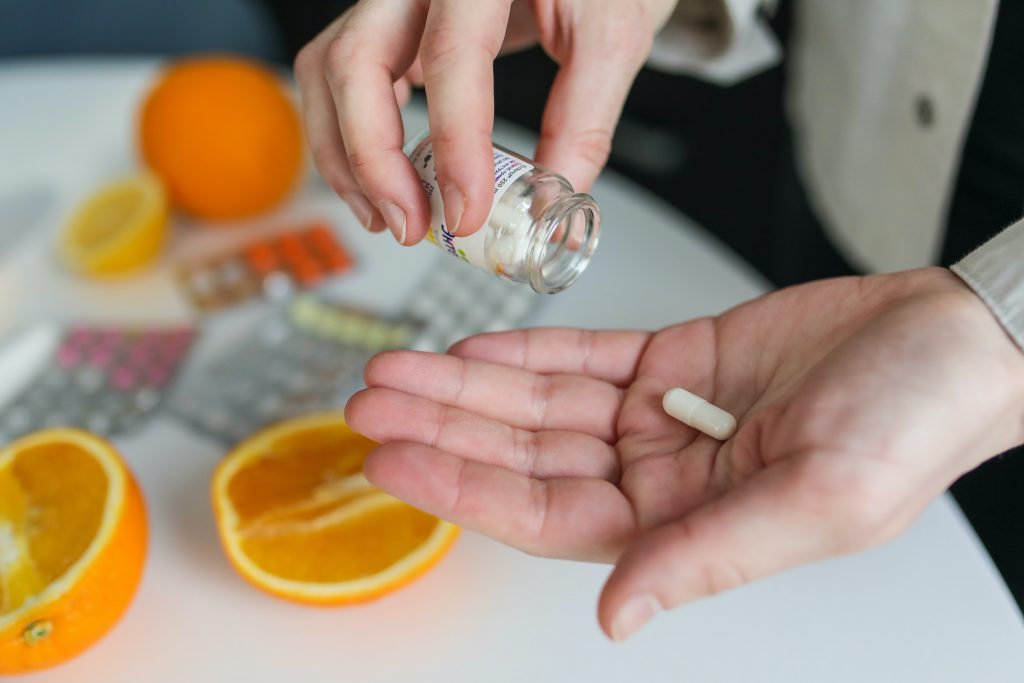
Treatment of Iron Deficiency Anaemia
Iron deficiency anemia is treated will depend on how severe the problem is and what caused it in the first place. Treatment options can include;
Iron supplements- Iron tablets can help restore iron levels in your body. If possible, you should take iron tablets on an empty stomach, which helps the body absorb them better.
Diet- Include in diet foods rich in iron like red meat, green leafy vegetables, dry fruits, nuts, fortified cereals etc. Additionally, vitamin C may help your body absorb iron. If you’re taking iron tablets, a doctor might suggest taking the tablets along with a source of vitamin C, such as a glass of orange juice or citrus fruit.
Disclaimer: The advice provided is intended for informational purpose only and does not substitute for professional medical advice. Consult with your doctor if you’re seeking medical advice, diagnoses, or treatment.

Health Vectors
1st Floor
966, 27th Main, 8th Cross
Sector 1, HSR Layout
Bangalore 560102
(Behind Pai International)