Health Vectors
1st Floor
966, 27th Main, 8th Cross
Sector 1, HSR Layout
Bangalore 560102
(Behind Pai International)


If you want to boost your immune health, you may wonder how to help your body fight off illnesses.
Several dietary and lifestyle changes may strengthen your body’s natural defenses and help you fight harmful pathogens, or disease-causing organisms.
Although none of these suggestions can prevent COVID-19, they may reinforce your body’s defenses against harmful pathogens.
Eat more whole plan foods
Whole plant foods like fruits, vegetables, nuts, seeds, and legumes are rich in nutrients and antioxidants that may give you an upper hand against harmful pathogens.
The fiber in plant foods feeds your gut microbiome, or the community of healthy bacteria in your gut.
A robust gut microbiome can improve your immunity and help keep harmful pathogens from entering your body via your digestive tract.

Engage in moderate exercise
Studies indicate that even a single session of moderate exercise can boost the effectiveness of vaccines in people with compromised immune systems.
Moderate exercise includes brisk walking, steady bicycling, jogging, swimming and light hiking.
Most people should aim for at least 150 minutes of moderate exercise per week.
Get enough sleep
Sleep and immunity are closely tied.
Poor or inadequate sleep is linked to a higher susceptibility to sickness.
Getting adequate rest may strengthen your natural immunity.
Also, you may sleep more when sick to allow your immune system to better fight the illness.
Study in healthy adults found that those who slept fewer than 6 hours each night were more likely to catch a cold.

Limit added sugar
Sugars and refined carbs contribute to overweight and obesity.
An observational study in around 1,000 people with obesity who were administered the influenza flu vaccine were twice as likely to still get the flu than individuals without obesity who received the vaccine.
Reference
Stay hydrated
Dehydration can cause headaches and hinder your physical performance, focus, mood, digestion, and heart and kidney function.
As a general guideline, you should drink when you're thirsty and stop when you are no longer thirsty.
You may need more fluids if you exercise intensely, work outside, or live in a hot climate.

Manage stress
Relieving stress and anxiety is key to immune health.
Long-term stress promotes inflammation, as well as imbalances in immune cell function.
Activities that may help you manage your stress include meditation, exercise, journaling, yoga, and other mindfulness practices.
Eat more healthy fats
Healthy fats, like those found in olive oil and salmon, can boost your body’s immune response to pathogens by decreasing inflammation.
Olive oil, which is highly anti-inflammatory, is linked to a decreased risk of chronic diseases like heart disease and type 2 diabetes.
Plus, its anti-inflammatory properties may help your body fight off harmful disease-causing bacteria and viruses.
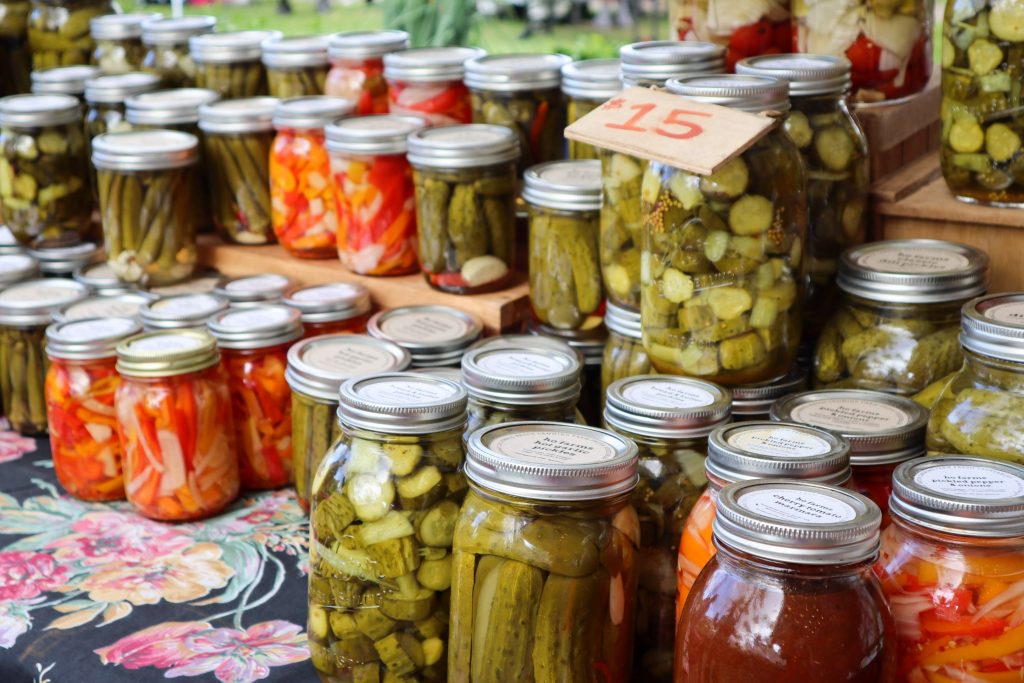
Eat more fermented foods or take a probiotic supplement
Fermented foods are rich in beneficial bacteria called probiotics, which populate your digestive tract.
These foods include fermented vegetables, yogurt, sauerkraut, kimchi, kefir etc.
Research suggests that a flourishing network of gut bacteria can help your immune cells.
If you don’t regularly eat fermented foods, probiotic supplements are another option.
Supplement wisely
Studies indicate that some supplements may strengthen your body’s general immune response.
These include Vitamin C, Vitamin D Zinc.
In a review in 575 people with the common cold, supplementing with more than 75 mg of zinc per day reduced the duration of the cold by 33%
Disclaimer: The advice provided is intended for informational purpose only and does not substitute for professional medical advice. Consult with your doctor if you’re seeking medical advice, diagnoses, or treatment.

Health Vectors
1st Floor
966, 27th Main, 8th Cross
Sector 1, HSR Layout
Bangalore 560102
(Behind Pai International)