Health Vectors
1st Floor
966, 27th Main, 8th Cross
Sector 1, HSR Layout
Bangalore 560102
(Behind Pai International)


What is Vitamin B12?
Vitamin B12 is required for the function and development of many parts of the body, including the brain, nerves, and blood cells.
Methylcobalamin is the active form of vitamin B12.
Cyanocobalamin, which must be processed by the body into the active form, is the most common type used in supplements.

Sources of Vitamin B12
Food sources of Vit B12 include foods like;
Animal organ meat like liver and kidney.
Red meat
Poultry like eggs and chicken
Seafood like clams, sardines, tuna and salmon.
Milk and milk products
Cereals and nondairy milk fortified with B12
Role of Vitamin B12 in the body
Vitamin B12 plays several vital roles in our body. These include;
Vitamin B12 is involved in red blood cell formation. When vitamin B12 levels are too low, the production of red blood cells is altered, causing megaloblastic anemia.
Appropriate vitamin B12 levels are key to a healthy pregnancy. They’re important for the prevention of brain and spinal cord birth defects.
Reference
Vitamin B12 may play a vital role in your bone health. Low blood levels of this vitamin have been associated with an increased risk of osteoporosis.

Role of Vitamin B12 in the body
Vitamin B12 is needed for the production of serotonin, a chemical responsible for regulating mood.
Reference
Vitamin B12 is involved in energy production in your body. Taking a supplement can improve your energy level, but only if you’re deficient in this vitamin.
Healthy vitamin B12 levels are important for your hair, skin and nails.
Vitamin B12 deficiency
B12 insufficiency and deficiency are relatively common. This is often due to limited dietary intake, malabsorption, certain medical conditions, or the use of B12-depleting medications.
The ability to absorb B12 from food declines with age, deficiency is more common in older adults.
If you suspect you might have a B12 deficiency, it’s important to visit a healthcare professional to discuss your symptoms and undergo appropriate testing.

Screening for Vitamin B12 Deficiency
People who suspect they might have a B12 deficiency should be screened with a complete blood count and serum vitamin B12 level.
The normal range is 200 to 900 pg/ml.
If your B12 is less than 150 pg/ml it is very low.
The result ranges vary from one laboratory to another, so it is important to discuss the results and their meaning with a doctor.
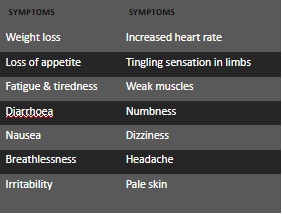
Symptoms of Vitamin B12 Deficiency

Risk Factors
Factors that might put you at an increased risk of Vitamin B12 deficiency are:
*Dietary Factors: People who are vegetarian are not able to get the required amount of vitamin B12 from their diet.
*People who are in elderly stage.
*Alcohol addiction.
*The medical condition such as Crohn’s disease, celiac disease, stomach disease, stomach ulcers, thinning of the stomach lining affects the absorption of vitamin B12.
*Poor diet in infants.
*Poor nutrition in expectant mothers.
*Pernicious anemia: It is an autoimmune disorder that obstructs the absorption of vitamin B12 from the food into the body
*Surgeries which removes a part of your stomach responsible for absorption of vitamin B12
*Medication for diabetes, acidity and indigestion.
Treatment of Vitamin B12 Deficiency
Your course of treatment would very much depend on the cause of the deficiency.
You might be advised to take a combination of medications or injection, along with a proper nutrition plan.
If the cause is a deficiency of vitamin B12 due to poor nutrition, you will be advised to take vitamin B12 in the form of injections.
Doctors also prescribe oral pills. You will be asked to consume food rich in vitamin B12.
Disclaimer: The advice provided is intended for informational purpose only and does not substitute for professional medical advice. Consult with your doctor if you’re seeking medical advice, diagnoses, or treatment.

Health Vectors
1st Floor
966, 27th Main, 8th Cross
Sector 1, HSR Layout
Bangalore 560102
(Behind Pai International)