Health Vectors
1st Floor
966, 27th Main, 8th Cross
Sector 1, HSR Layout
Bangalore 560102
(Behind Pai International)


Vitamins and minerals are nutrients your body needs in small amounts to work properly and stay healthy.
Most people should get all the nutrients they need by having a varied and balanced diet, although some people may need to take extra supplements.

Vitamin A
Vit A is a fat-soluble vitamin stored in the liver.
Vital for maintaining good eyesight, particularly for the normal function of the retina and visual adaptation to darkness, and healthy skin. It is also important for growth in children.
The richest natural sources are fish liver oils. It is also very concentrated in animal liver.
Other sources include oily fish, egg yolk, butter and full fat milk.
Vitamin B1 (Thiamin)
Thiamin is water soluble and part of the B-vitamins group.
Thiamin is also important for good brain and heart function.
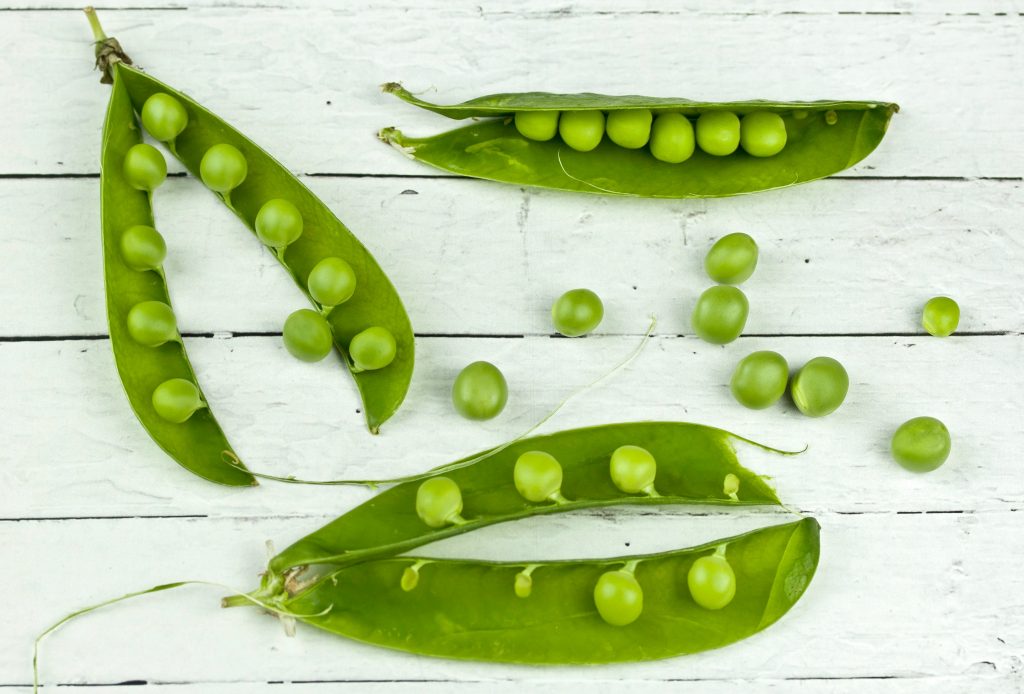
Brown rice, peas, beans and other vegetables, fortified breakfast cereals, whole meal breads and cereals, eggs etc.

Vitamin B2 (Riboflavin)
Riboflavin is water soluble and part of the B-vitamins group.
It is important for the nervous system, skin and eye health. It also helps keep red blood cells healthy, protects cells from oxidative stress and helps reduce tiredness and fatigue.
It is found in liver, kidneys, fortified breakfast cereals, meat, milk, some green vegetables, eggs, cheese etc.

Vitamin B3 (Niacin)
Niacin is water soluble and is part of the B-vitamins group. Niacin helps maintain healthy nervous and digestive systems. It is also essential for normal growth and for healthy skin and contributes to a reduction in tiredness and fatigue. Vit B3 is found in meat, oily fish, poultry, bread, potatoes and breakfast cereals.
Vitamin B5 (Pantothenic acid)
Vit B5 is water soluble and part of the B-vitamins group.
Pantothenic acid is involved in the metabolism of protein and fat and is needed for healthy growth.
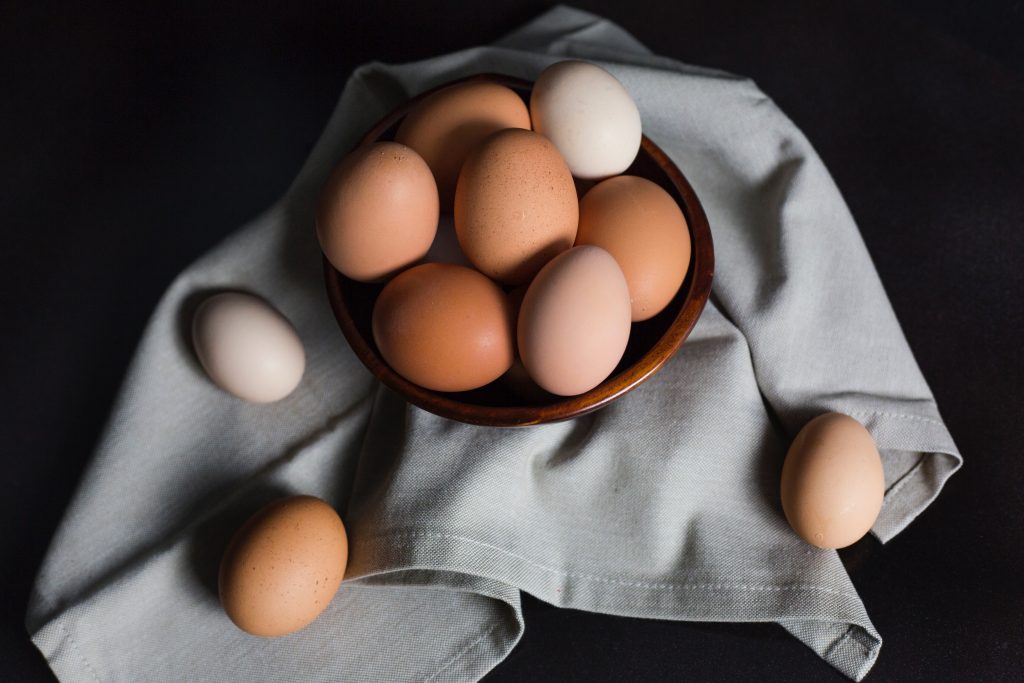
It is found in Fortified breakfast cereal, wholegrains (such as brown rice and whole meal bread), dairy products, liver, kidneys and eggs.

Vitamin B6 (Pyridoxine)
Vitamin B6 is a water-soluble vitamin and member of the B-vitamins group.
It is essential for maintaining a healthy nervous system and supporting healthy skin. It may also be helpful in reducing the severity of pre-menstrual syndrome.
It is found in whole meal bread, meat, fish, bananas, wheat bran and fortified breakfast cereals.

Vitamin B12 (Cyanocobalamin)
Vitamin B12 is a water-soluble vitamin and a member of the B-vitamins group.
It is essential in the functioning of the nervous and immune systems and in red blood cell formation. It also helps to reduce tiredness and fatigue.
Good sources include meat, liver, kidney, poultry, fish, eggs, dairy products and fortified breakfast cereals.
Beta-carotene
Beta-carotene is a precursor form of vitamin A. It is converted to vitamin A in the body on an 'as-required' basis.
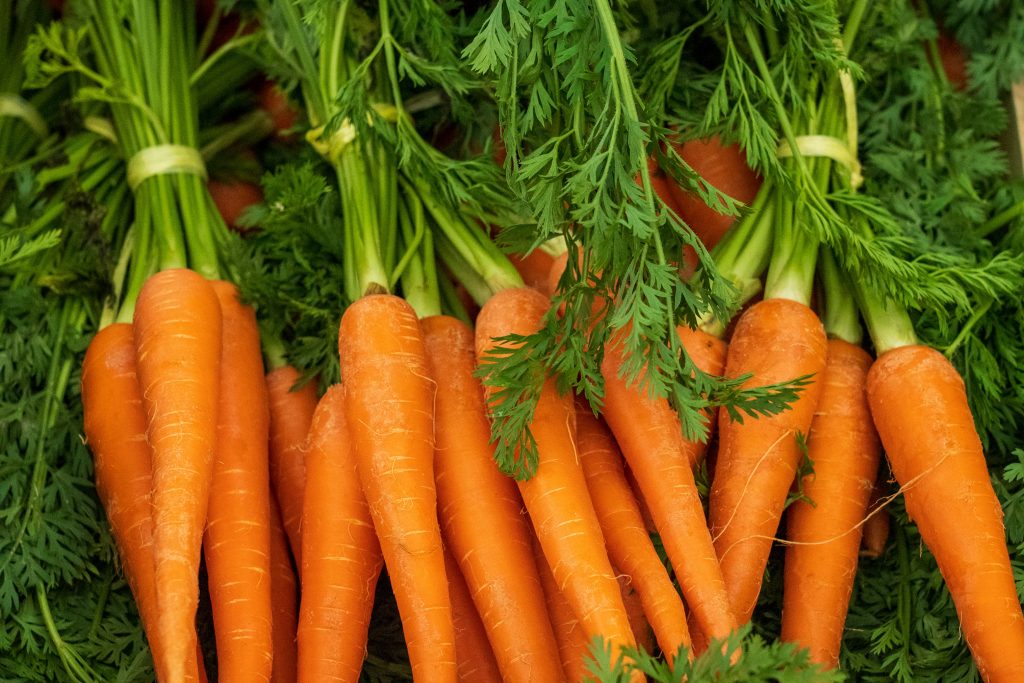
Vitamin A neutralizes potentially damaging free radicals. Beta-Carotene gives yellow and orange fruit and vegetables their color.
Therefore, rich sources include brightly colored fruit and vegetables such as carrots, red pepper, spinach (and other dark green leafy vegetables), mango, peaches and apricots.
Biotin
Biotin is a water-soluble vitamin and a member of the B-vitamins group.
It is involved in energy production through the metabolism of carbohydrates, proteins and fats. It also helps to maintain a healthy nervous system, as well as maintaining the mucous membranes, healthy skin and nails.
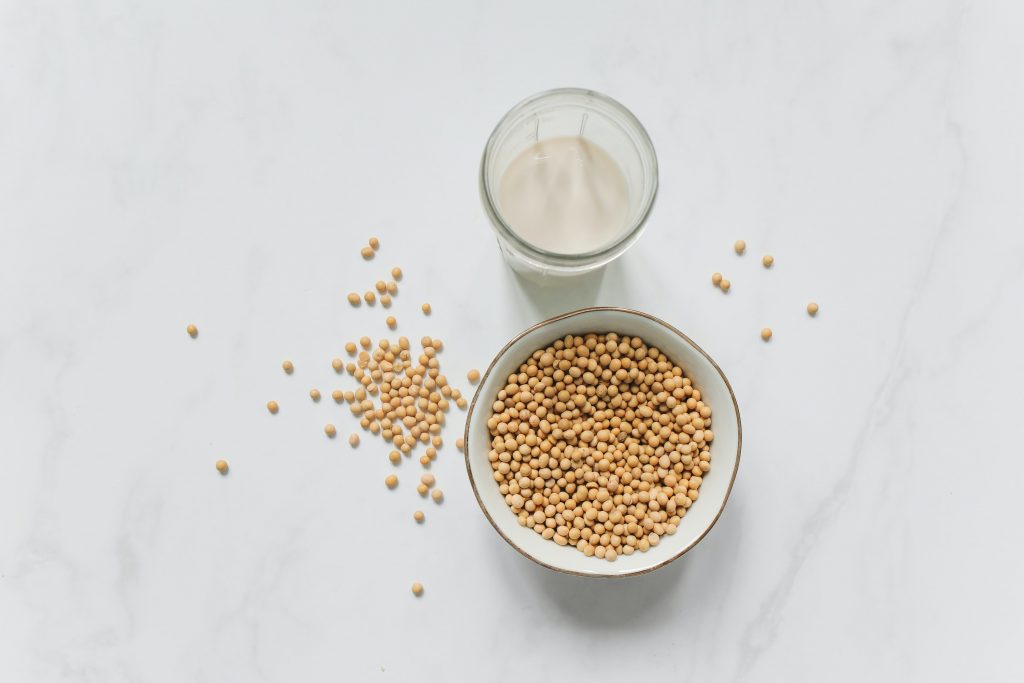
The richest sources of biotin are liver, kidney, egg yolks and soya beans. Meat, wholegrain cereals, whole meal bread, milk and cheese are also good sources.

Vitamin C
Vitamin C, also known as ascorbic acid, is a water-soluble vitamin.
It is involved in the synthesis of collagen and other constituents of bone, teeth and capillaries. It acts as an anti-oxidant, neutralizing free radicals to protect cells.
Vit C is found in foods of plant origin, particularly citrus and soft fruits (such as oranges, strawberries, kiwi, blackcurrant, guava) and vegetables (such as kale, broccoli, brussels sprouts, peppers, potatoes, tomatoes) are major sources of vitamin C.

Calcium
Calcium is an essential mineral.
The most abundant mineral in the body, calcium is essential for building and maintaining healthy bones and teeth. Calcium also plays a role in muscle contraction, including the heart muscle.
Food sources include dairy products, canned fish such as sardines (when the soft, edible bones are consumed), dark green leafy vegetables, white bread, brown bread, sesame seeds and pulses.

Chromium
Chromium is an essential trace mineral.
Chromium is involved in the processes that make glucose available for energy. It is also important for the metabolism of amino acids (the ‘building blocks’ of proteins) and fats.
Good food sources include liver, kidney, yeast products, wholegrain cereal, nuts and legumes.

Copper
Copper is an essential trace mineral.
Copper supports iron absorption and works with iron in the formation of red blood cells.
It acts as an antioxidant, supports the function of the immune system and is needed for connective tissues, bone growth, nerve function and energy release.
It also helps to maintain skin and hair pigmentation.
Good sources include wholegrain products, liver, most seafood, dried beans and peas.

Vitamin D
Vitamin D is also called the sunshine vitamin. It is a fat-soluble vitamin.
It helps the body to absorb and use calcium and phosphorus which are essential for maintaining strong and healthy bones and teeth, as well as other body functions such as heart and muscle function.
Good food sources include full-fat dairy products, oily fish, egg yolks and fortified margarine. Vitamin D is also important for blood clotting, immune system and muscle growth, development and function.

Vitamin E
Vitamin is a fat-soluble vitamin.
Vitamin E acts as an antioxidant helping to neutralize potentially damaging free radicals in the body.
Vitamin E is particularly important for the protection of cell membranes as well as maintaining healthy skin, heart and circulation, nerves, muscles and red blood cells.
Seed oils, and the outer germ of cereals are the richest sources of vitamin E as well as olive oil, avocado, pear, muesli, nuts, leafy green vegetables, whole-meal bread, cereals and egg yolks.

Folic acid
Folic acid , known as folate in its natural form, is a synthetic water-soluble vitamin and is part of the B-vitamins group.
It is essential during pregnancy for efficient neural tube development which forms the brain and spinal cord. Folic acid contributes to brain health, immune function as well as helping to reduce tiredness and fatigue.
‘Folate’ can be found naturally in yeast extract, wholegrain cereals, liver, brussels sprouts, broccoli, leafy green vegetables, beans, oranges and beer. ‘Folic acid’ can be sourced from fortified foods, such as breakfast cereals.
Iodine
Iodine is an essential trace element – only small amounts are needed to maintain good health.
Iodine is used to form thyroid hormones (thyroxine and tri- iodothyronine), which regulate metabolic rate. Iodine is needed for normal growth and development – especially of the brain and central nervous system.
It also contributes to function of the immune system and helps keep skin healthy.
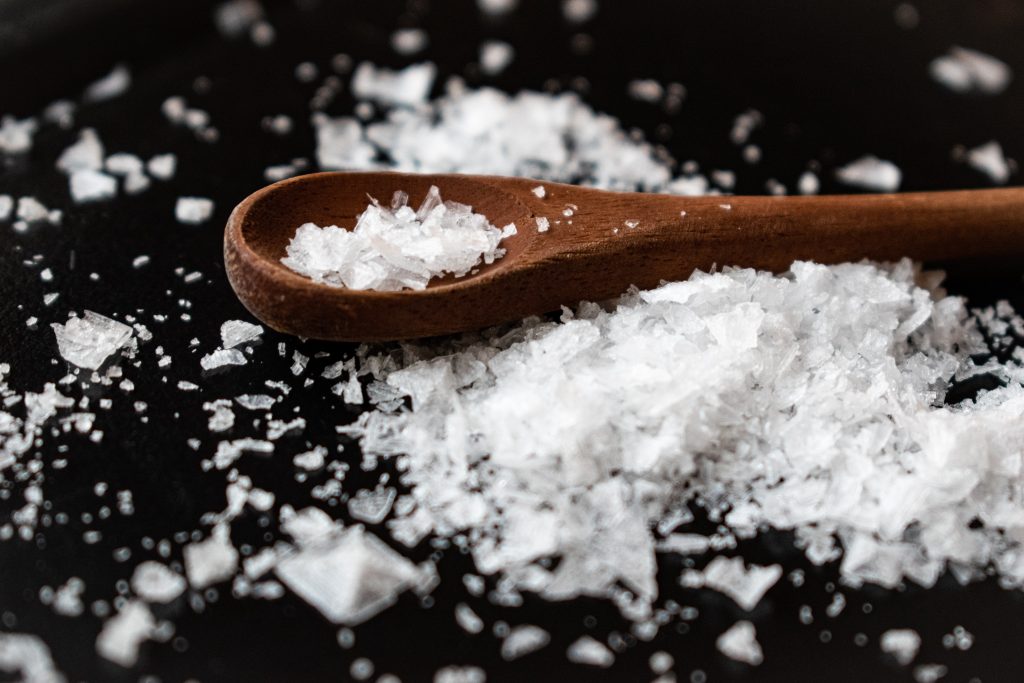
Good food sources include saltwater fish and shellfish, sea salt, iodized salt, and dairy products.
Iron
Iron is essential for the formation of haemoglobin which is present in red blood cells.
Haemoglobin is being formed in the body all the time and is the substance in red blood cells that transports oxygen around the body.
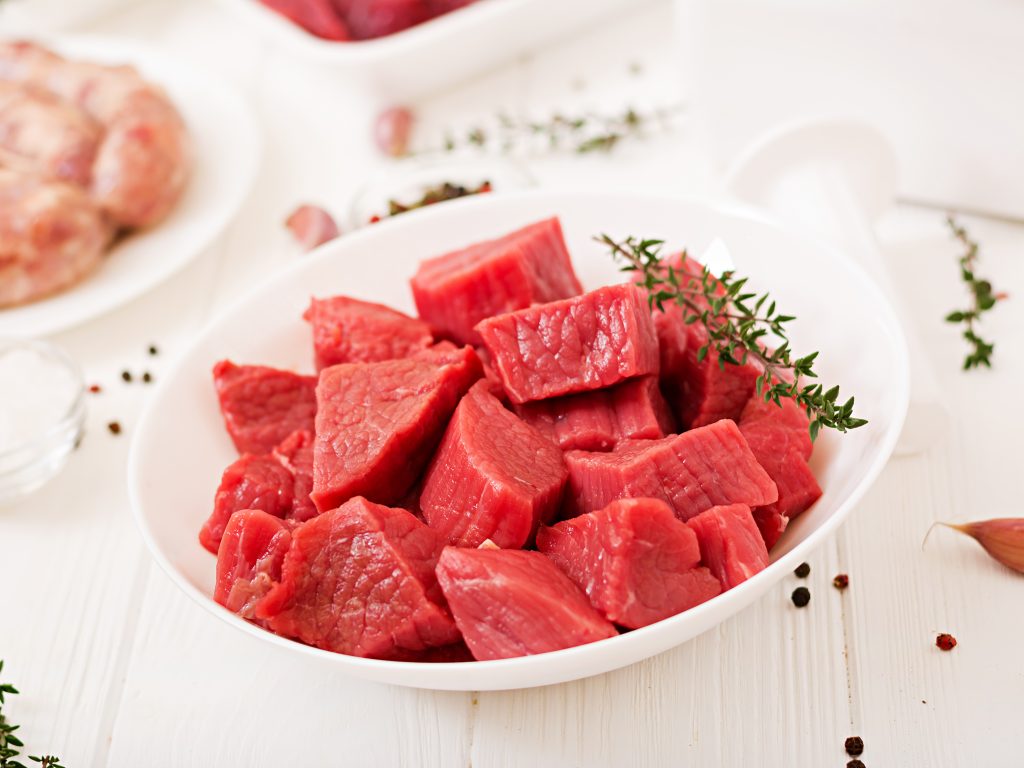
Good sources of iron are liver, kidney, heart, red meat, fish, shellfish, green leafy vegetables and wholegrain cereals.
Vitamin C improves the absorption of iron from plant sources.
Vitamin K
Vitamin K is a fat-soluble vitamin.
It is required for the formation of several of the proteins, called 'clotting factors' that regulate blood clotting, which means it helps heal wounds.
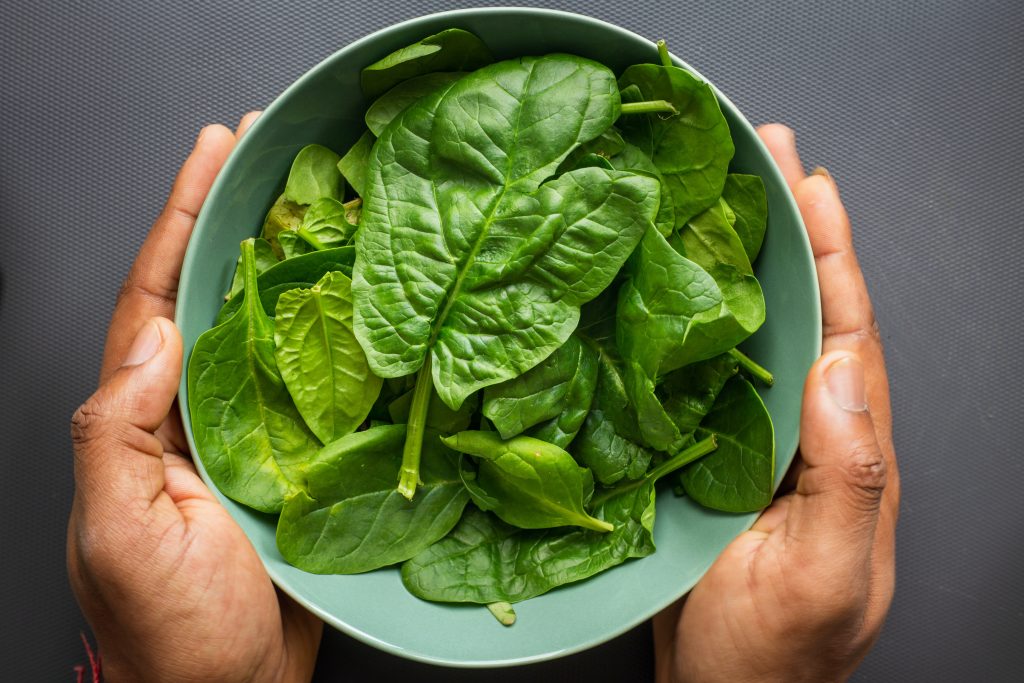
Green vegetables such as kale and spinach, potatoes, liver, soya beans and vegetable oils are rich sources of Vitamin K.
Vitamin K is also synthesized by gut bacteria, and this contributes significantly towards the daily requirement of the vitamin.
Magnesium
Magnesium is an essential mineral.
It is the second most abundant nutrient stored in body tissue after calcium.
It is vital for the nervous system, muscle movement and formation of healthy bones and teeth.
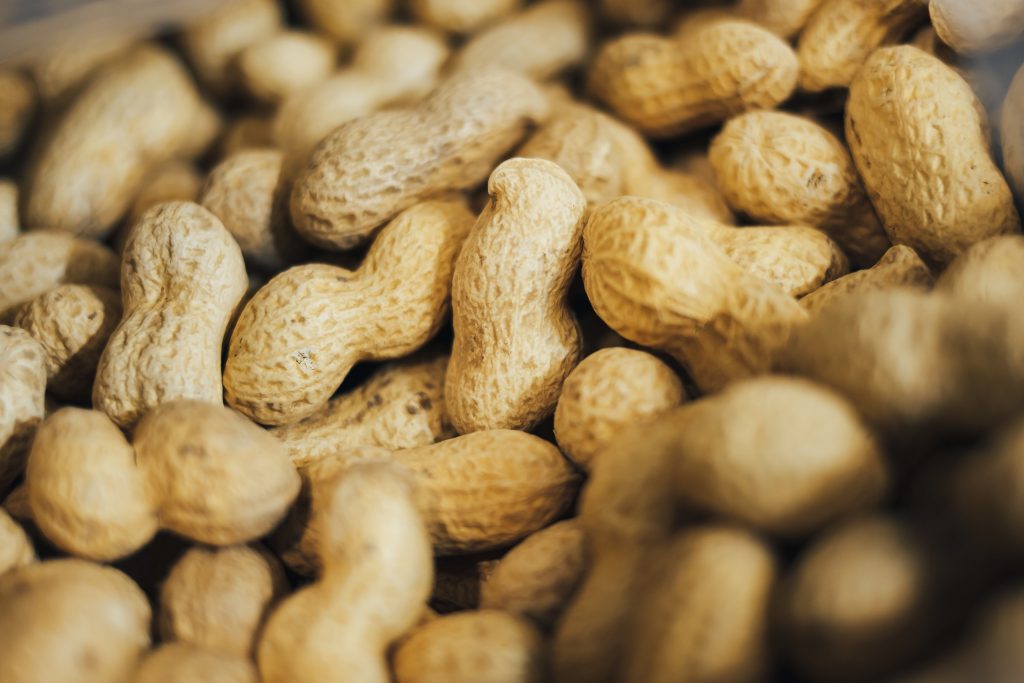
Magnesium is present in all green plants. The main sources are unrefined cereals and whole-meal bread, green leafy vegetables, and peanuts.
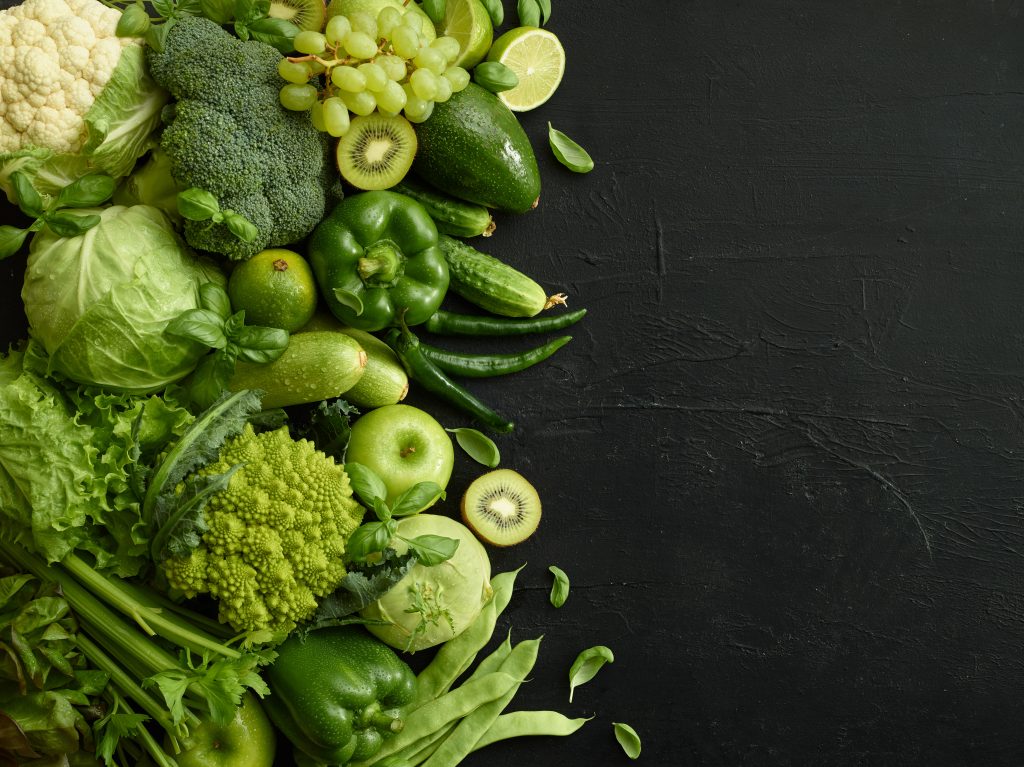
Manganese
Manganese is an essential trace mineral.
Manganese activates some enzymes, so they begin to work. Manganese also helps contribute to normal energy metabolism, normal bones and the formation of connective tissue.
Nuts, pulses, whole-meal bread and cereals and green vegetables. Tea is a rich source of manganese and possibly the biggest source of manganese for many people in India.
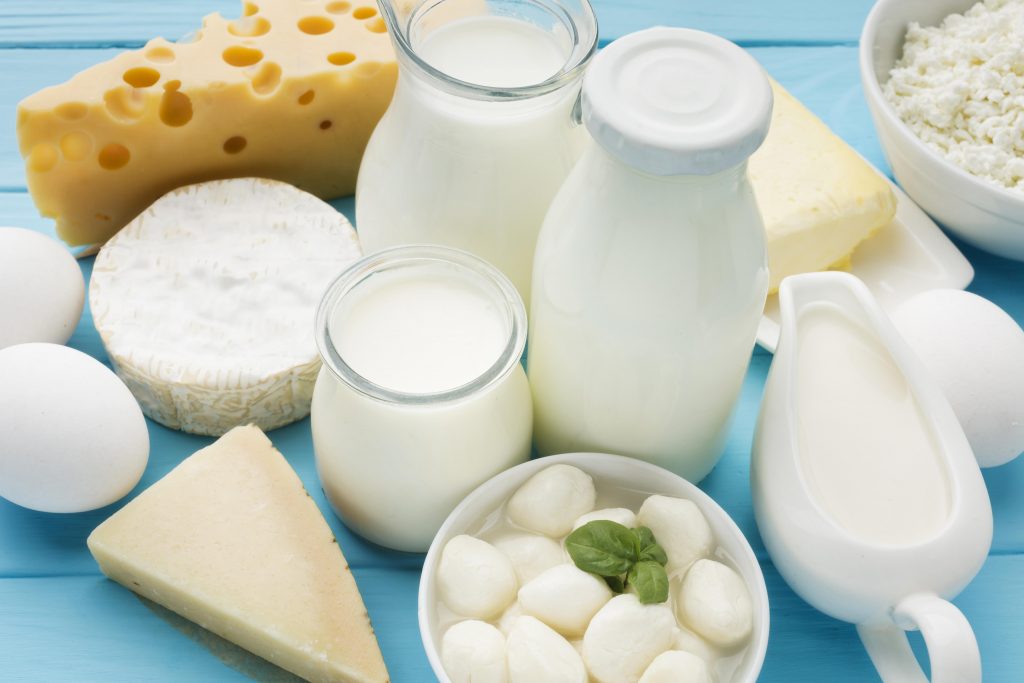
Molybdenum
Molybdenum is an essential ultra-trace mineral.
The mineral involved in the functioning of several important enzymes in the body. Aids in carbohydrate and fat metabolism and helps in iron utilization.
The richest sources of molybdenum include dairy products, liver and kidney, nuts, dark green leafy vegetables, wholegrains, peas and beans and brown rice.

Phosphorous
Next to calcium, phosphorus is the most abundant mineral in the body.
Phosphorus also helps to release energy from food as it plays an important role in the metabolism of carbohydrate, fat and protein.
Good sources include red meat and poultry, dried milk and milk products, wheat germ, yeast, grains, hard cheeses, canned fish, nuts, potatoes, eggs and soft drinks.
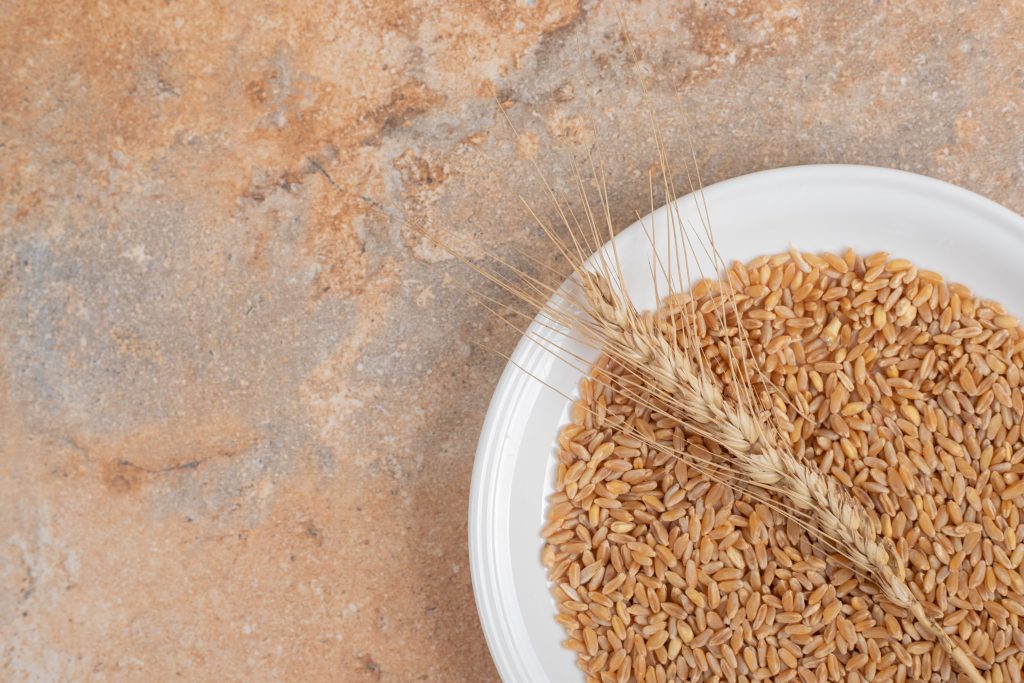
Selenium
Selenium is an essential trace element. Selenium is part of an antioxidant system.
It protects the body’s cells from damage and helps maintain the body’s defense system.
Selenium also helps contribute to sperm formation, is important for thyroid function, immunity, as well as helping to keep hair and nails healthy.
Good food sources include whole wheat, meat, eggs, offal, fish and shellfish.
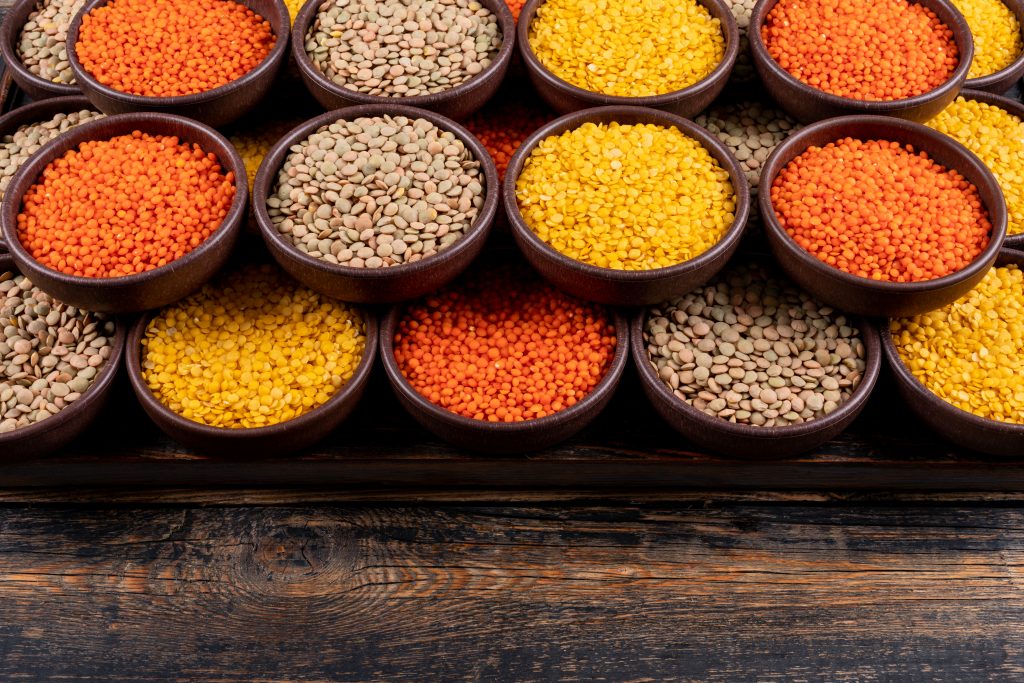
Zinc
Zinc is an essential trace mineral.
Zinc is required to aid growth of the immune cells plus maintenance of hair, skin and nails.
Zinc is also essential for reproduction.
Good sources include red meat, liver, shellfish (especially oysters), egg yolks, dairy products, wholegrain cereals and pulses.

Health Vectors
1st Floor
966, 27th Main, 8th Cross
Sector 1, HSR Layout
Bangalore 560102
(Behind Pai International)