Health Vectors
1st Floor
966, 27th Main, 8th Cross
Sector 1, HSR Layout
Bangalore 560102
(Behind Pai International)


Building healthy bones is extremely important.
Minerals are incorporated into your bones during childhood, adolescence and early adulthood.
Once you reach 30 years of age, you have achieved peak bone mass.
If enough bone mass is not created during this time or bone loss occurs later in life, you have an increased risk of developing fragile bones that break easily.
Fortunately, many nutrition, exercise and lifestyle habits can help you build strong bones and maintain them as you age.
Calcium Rich Foods
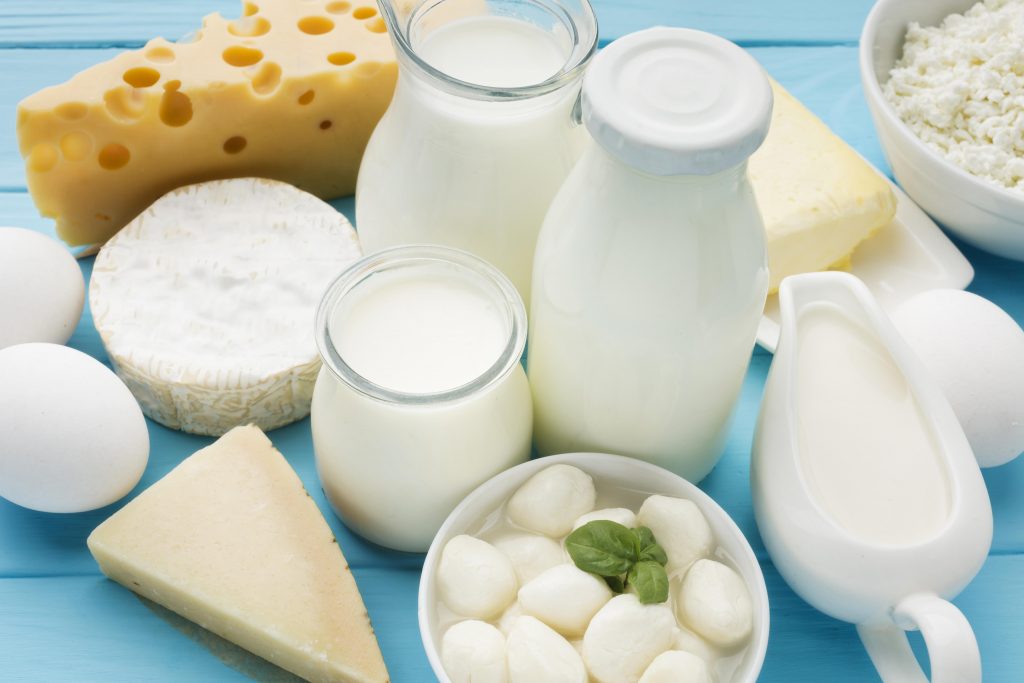
Calcium is the most important mineral for bone health, and it’s the main mineral found in your bones.
Because old bone cells are constantly broken down and replaced by new ones, it’s important to consume calcium daily to protect bone structure and strength
Vitamin D
Also called the sunshine vitamin. It works in tandem with calcium.
Without vitamin D, you can’t absorb the calcium from foods.
That forces your body to raid your skeleton for the nutrient.
That weakens your bones.
It also prevents your body from building strong new bone.
Exercise
When you exercise regularly, your body responds by adding more bone.
Aim for at least 30 minutes of any type of exercise each day.
Strength training exercises tax your bones so they can grow heavier and denser.
These include push ups, free weights and weight-bearing exercises.
Vegetables
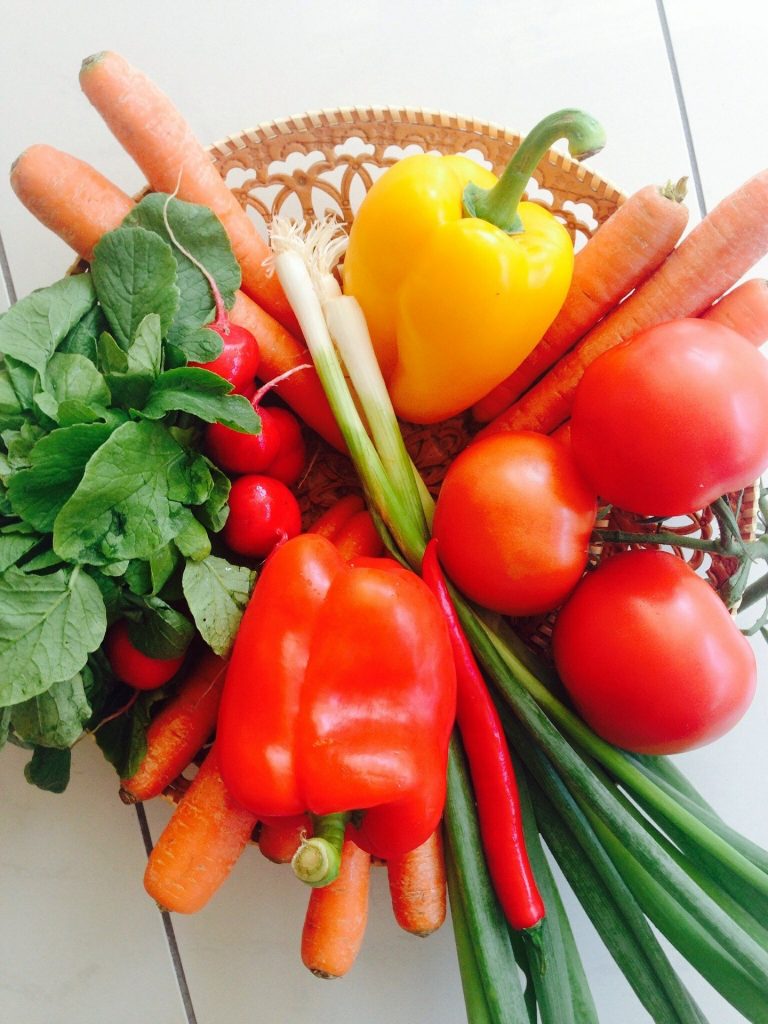
Vegetables are great for your bones.
Vegetables seem to increase bone mineral density.
A high intake of green and yellow vegetables has been linked to increased bone mineralization during childhood and the maintenance of bone mass in young adults .
Proteins
Getting enough protein is important for healthy bones.
Researchers have reported that low protein intake decreases calcium absorption and may also affect rates of bone formation and breakdown.
Diets containing a greater percentage of calories from protein may help preserve bone mass during weight loss.
https://pubmed.ncbi.nlm.nih.gov/12612169/
Magnesium & Zinc
Calcium isn't the only mineral that's important for bone health.
Several others also play a role, including magnesium and zinc.
Magnesium converts vitamin D into the active form that promotes calcium absorption.
Zinc promotes formation of bone-building cells and prevents the excessive breakdown of bone.
Limit Alcohol
Studies clearly demonstrate that chronic, heavy alcohol consumption compromises bone health and increases the risk of osteoporosis.
Heavy alcohol use decreases bone density and weakens bones’ mechanical properties.

Quit Smoking
Smoking is a known risk factor for osteoporosis.
Nicotine and other chemicals in tobacco slow the production of bone-forming cells.
They also hinder blood flow to your bones.
The result is frail bones that are more apt to break.
 Macro pills over white background
Omega 3
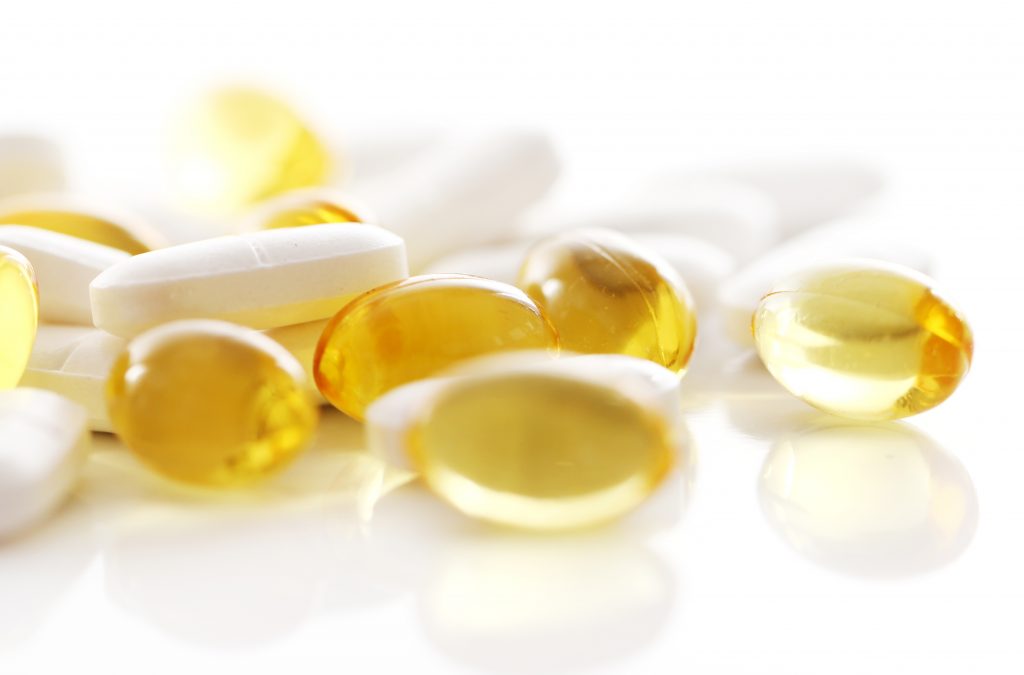
Omega-3 fatty acids are well known for their anti-inflammatory effects.
Omega-3 fatty acids have been found to promote the formation of new bone and protect against bone loss in older adults.
Maintain Healthy Weight
Being underweight increases the risk of osteopenia and osteoporosis.
Studies suggest that being obese can impair bone quality and increase the risk of fractures due to the stress of excess weight.
Maintaining a stable normal or slightly higher than normal weight is your best bet when it comes to protecting your bone health.
https://www.ncbi.nlm.nih.gov/pmc/articles/PMC4016236/

Fresh cola drink with ice and green lime on black background
Restrict Added Sugar
Too much added sugar from sweets, cakes, soft drinks etc. may hurt your bone health.
Excess sugar causes your body to flush out bone-strengthening calcium and magnesium in your pee.
It also prevents your intestines from taking in enough calcium.
Disclaimer: The advice provided is intended for informational purpose only and does not substitute for professional medical advice. Consult with your doctor if you’re seeking medical advice, diagnoses, or treatment.

Health Vectors
1st Floor
966, 27th Main, 8th Cross
Sector 1, HSR Layout
Bangalore 560102
(Behind Pai International)