Health Vectors
1st Floor
966, 27th Main, 8th Cross
Sector 1, HSR Layout
Bangalore 560102
(Behind Pai International)


If you have osteoarthritis, participating in joint-friendly physical activities can improve your arthritis symptoms.
Joint-friendly activities are low-impact and put less stress on the body, reducing the risk of injury.
How to stay active safely with OA?
Learn how you can safely exercise and enjoy the benefits of increased physical activity with these S.M.A.R.T. tips.
Start low, go slow.
Modify activity when arthritis symptoms increase, try to stay active.
Activities should be “joint friendly.”
Recognize safe places and ways to be active.
Talk to a health professional or certified exercise specialist.
What types of activities should I do?
Cycling
Cycling -- in a group or alone, outside or on a stationary bike -- builds stamina and balance with less impact on your knees, hips, and other joints than if you walk or jog.
Yoga
Yoga is a gentle way to improve your posture, balance, and coordination. It helps you move better and relax, too.
Look for a beginners' class and tell your teacher about any injuries or other physical limitations you have.
Once you're comfortable with the poses and breath exercises, try them at home.
Water Exercise
Water-based exercises are ideal for relieving the pain and stiffness of arthritis.
The water provides resistance that boosts your strength and range of motion, and supports your body's weight.
It also reduces stress on your joints.
Your workout can be as intense as swimming laps or as gentle as stretching in the shallow end.
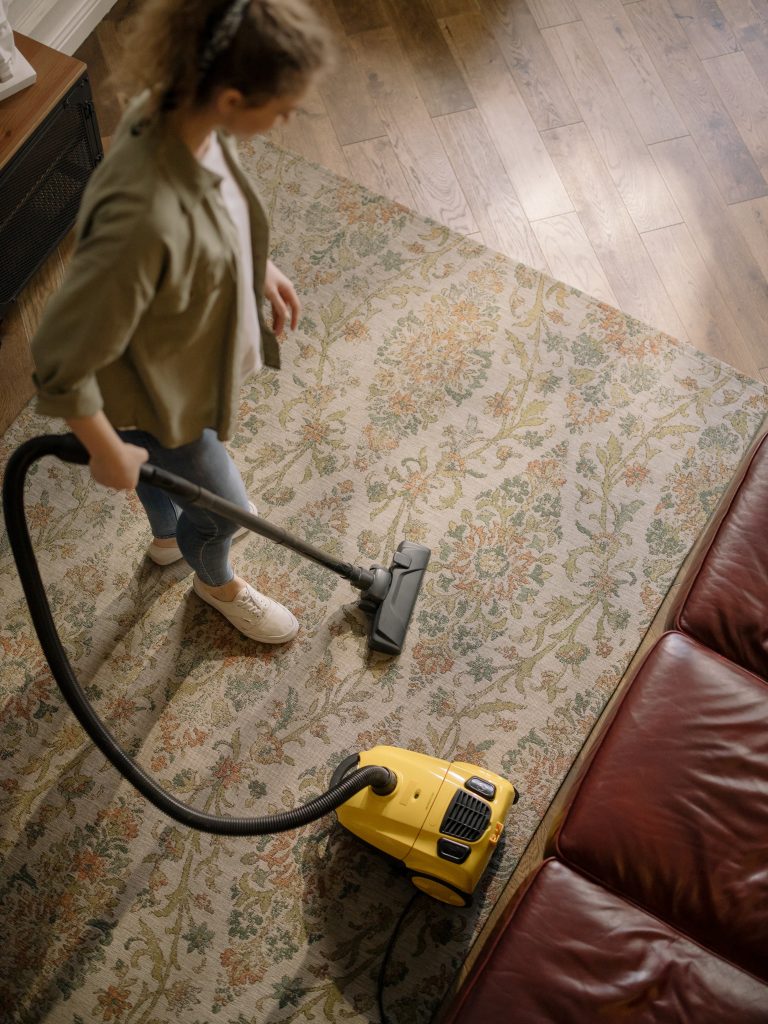
Home Chores
Physical activity in small amounts really adds up.
You might find it easier to add 10 minutes of cleaning into a busy day than an hour of exercise.
To track your exercise, wear a pedometer or other fitness device and record how many steps you take each day.
Stand up straight and let your larger joints handle as much of the work as possible.
Seat a Goal
Sign up for a 5K walk, a bike ride, or another organized event.
When you register for one, you'll ramp up your commitment to train.
Give yourself enough time to prepare, though.
Keep the date of the big day in mind so you can set specific, realistic training goals.
Try Tai Chi
People with arthritis who did tai chi said they had better balance and lower levels of depression.
Traditional Chinese martial art combines slow, gentle movements with mental-focus practice.
You can join a local class if available or online classes or even get help from YouTube videos.
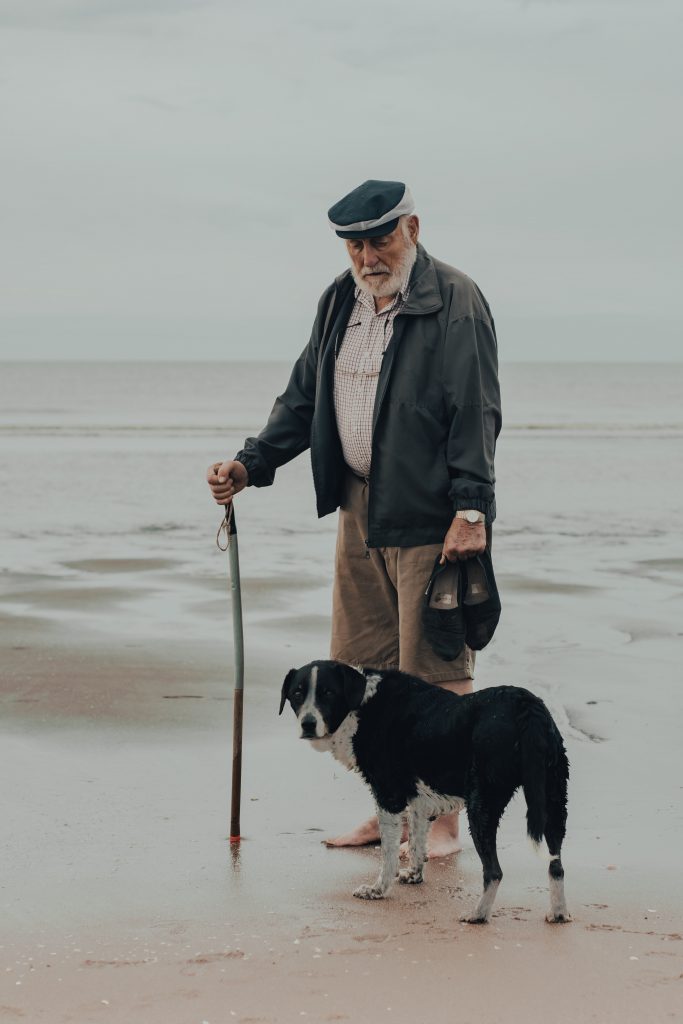
Walk the dog
Take your four-legged friend when you run errands on foot. It’s a simple, low-impact, inexpensive workout.
Regular walks can ease stiffness, build bone mass, and give you more energy and a better mood.
Work your way up to at least 150 minutes a week. This could include 30 minutes of walking or any other moderate-intensity activity, five days a week.
Strength Train
Strength training can protect and stabilize your arthritic joints, so it’s easier and less painful to move around.
Aim for two or three sessions per week and build up repetitions and weight gradually.
Ask an exercise specialist to show you how to do each move correctly and safely.
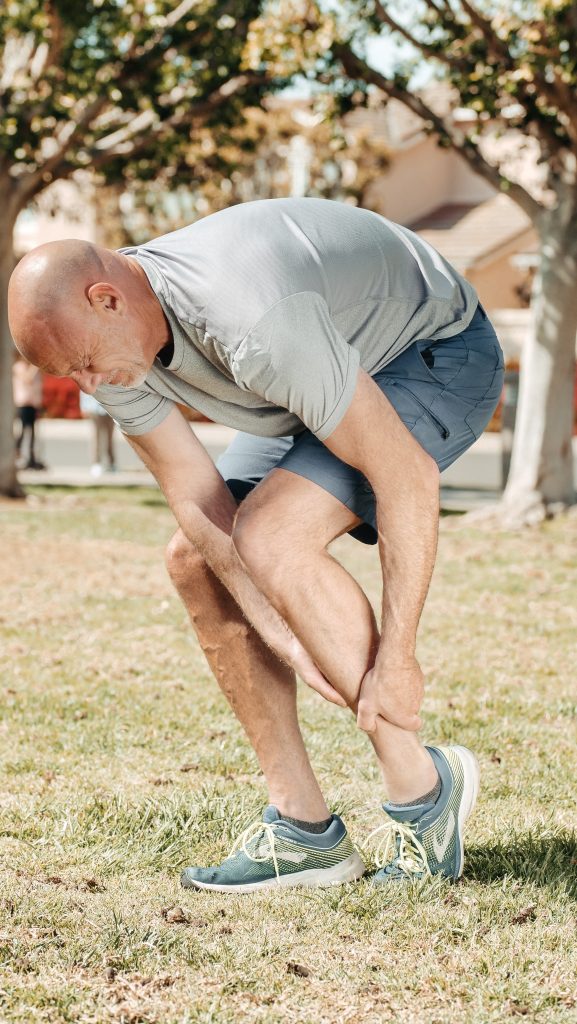
What do I do if I have pain during or after exercise?
It’s normal to have some pain, stiffness, and swelling after starting a new physical activity program. It may take 6 to 8 weeks for your joints to get used to your new activity level but sticking with your activity program will result in long-term pain relief.
* Until your pain improves, modify your physical activity program by exercising less frequently (fewer days per week) or for shorter periods of time (less time each session).
* Try a different type of exercise that puts less pressure on the joints—for example, switch from walking to water aerobics.
* Do proper warm-up and cool-down before and after exercise.
* Make sure you have good fitting, comfortable shoes.
Disclaimer: The advice provided is intended for informational purpose only and does not substitute for professional medical advice. Consult with your doctor if you’re seeking medical advice, diagnoses, or treatment.

Health Vectors
1st Floor
966, 27th Main, 8th Cross
Sector 1, HSR Layout
Bangalore 560102
(Behind Pai International)