Health Vectors
1st Floor
966, 27th Main, 8th Cross
Sector 1, HSR Layout
Bangalore 560102
(Behind Pai International)


Anxiety a byproduct of living in an often-chaotic world. When anxiety becomes a daily struggle, it’s time to act before it snowballs.
Unchecked anxiety may greatly impact your quality of life.
Take control by trying out the ideas shared.
Writing a Journal
Keeping a journal can help you identify what's causing you stress.
Once you've identified your stressors, you can work on a plan to resolve the problems.
It also helps you control your symptoms and improve your mood.
Prioritize
Prioritize what you need to get done right away and what can wait.
A to-do list can help you break up large projects into smaller tasks and keep you focused on what to do next.
Learn to delegate and learn to ask help if when needed. Just remember not to overwhelm yourself.
Eat a Healthy Diet
Low blood sugar levels, dehydration, or chemicals in processed foods such as artificial flavorings and preservatives may cause mood changes in some people.
If your anxiety worsens after eating, check your eating habits.
Stay hydrated, eliminate processed foods, and eat a healthy diet rich in complex carbohydrates, fruits and vegetables, and lean proteins.

Limit Alcohol
Drinking a glass of wine or a finger of whiskey when your nerves are shot may momentarily calm you at first.
If you rely on alcohol to relieve anxiety instead of treating the root of the problem, you may develop alcohol dependence.
Heavy drinking also will affect your work and home life and cause other health problems, which can add to your anxiety
Quit Smoking
Smokers often reach for a cigarette during stressful times.
Taking a drag on a cigarette when you’re stressed is a quick fix that may worsen anxiety over time.
A research suggests nicotine and other chemicals in cigarette smoke alter pathways in the brain linked to anxiety making it worse.
https://www.ncbi.nlm.nih.gov/pmc/articles/PMC3683289/
Exercise
Regular exercise is good for your physical and emotional health.
Regular exercise works as well as medication to ease anxiety for some people.
And if you exercise regularly -- at least 3 times a week -- you’re less likely to feel anxious in the first place.
Yoga
Yoga eases symptoms of anxiety and stress through direct benefits to both the body and mind.
On a physical level, yoga helps induce a relaxation response and reduce heart rate; on a psychological level, mindfulness promotes a focus on the present moment, guiding thoughts away from anxiety.
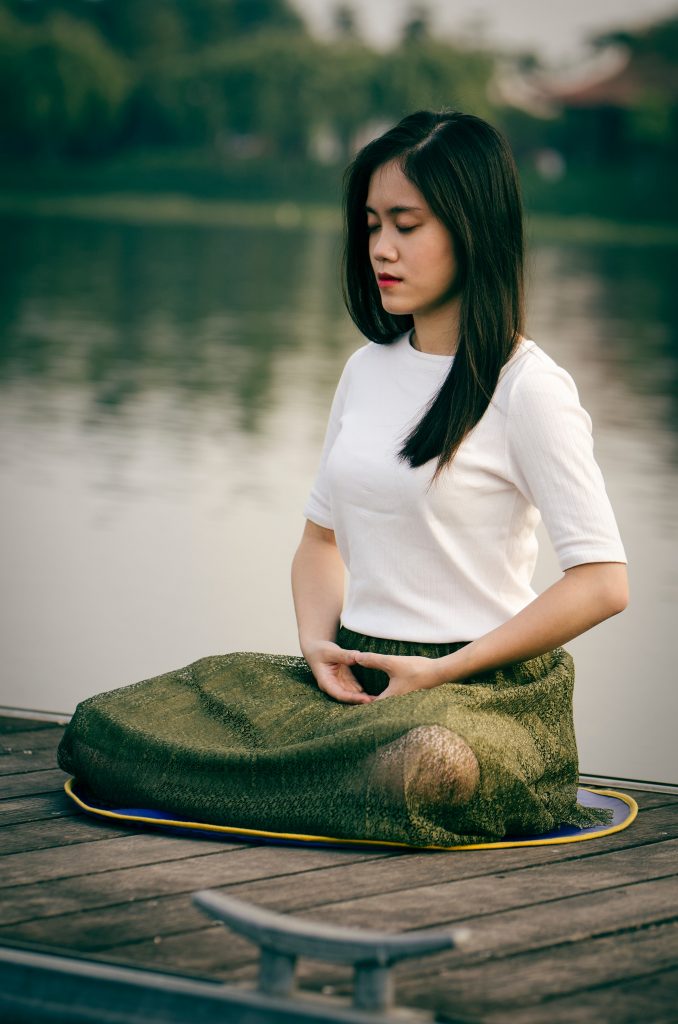
Meditation
The main goal of meditation is to remove chaotic thoughts from your mind and replace them with a sense of calm and mindfulness of the present moment.
Meditation is known for relieving stress and anxiety. Research show that 30 minutes of daily meditation may alleviate some anxiety symptoms and act as an antidepressant.
https://www.ncbi.nlm.nih.gov/pmc/articles/PMC3679190/
Get Some Sleep
Insomnia is a common symptom of anxiety.
Make sleep a priority by getting 7 to 9 hours sleep every night, sleep better by going to bed and waking up at the same time.
Keep your room cool, dark, and quiet, and don’t watch TV, mobile phone or use the computer right before bed.
Avoid caffeine, large meals, and nicotine before bedtime.
Sex
Sex can help you to relax and take your mind off everyday worries and anxieties.
During sex, your body releases endorphins and oxytocin, and these feel-good hormones create feelings of relaxation and intimacy, as well as helping to stave off anxiety and depression.
Get Out
Going out into the nature helps anxiety a great deal.
A walk in open, a Sunday picnic at the park or an evening walk on the beach.
All this can give your mood a boost, and it can lower your blood pressure, heart rate, muscle tension, and stress hormones, which all go up when you’re anxious.
Get Your Hands Dirty
Doing some gardening makes your brain release mood-boosting chemicals that can help calm your anxiety.
Plus, you’ll get some exercise and spend time outdoors, both of which can be good for you, too.
You don’t have to have a big garden, just a few pots by your window can help too.
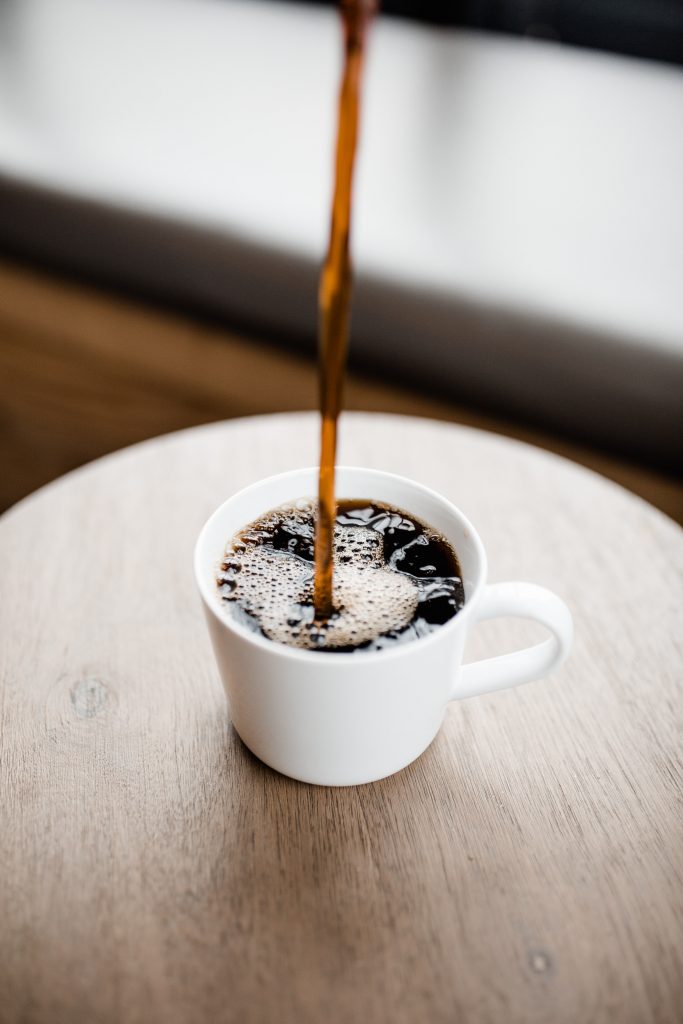
Ditch Caffeine
Caffeine may cause nervousness and jitters, neither of which is good if you’re anxious.
A research has shown caffeine may cause or worsen anxiety disorders.
It may also cause panic attacks in people with panic disorder.
https://www.ncbi.nlm.nih.gov/pmc/articles/PMC4668773/
Chamomile Tea
A cup of chamomile tea is a common home remedy to calm frayed nerves and promote sleep.
A 2009 study showed chamomile may also be a powerful ally against generalized anxiety disorder.
https://pubmed.ncbi.nlm.nih.gov/19593179/
Acupuncture
Acupuncture stimulates the body's natural feel-good hormones and reduces the level of stress hormones like cortisol.
Studies show that acupuncture is an effective treatment for anxiety, with fewer side effects than medications.
Aromatherapy
Aromatherapy uses fragrant essential oils to promote health and well-being.
The oils may be inhaled directly or added to a warm bath or diffuser.
Studies have shown that aromatherapy helps you relax, helps you sleep, boosts mood, reduces heart rate and blood pressure.
https://www.ncbi.nlm.nih.gov/pmc/articles/PMC3588400/
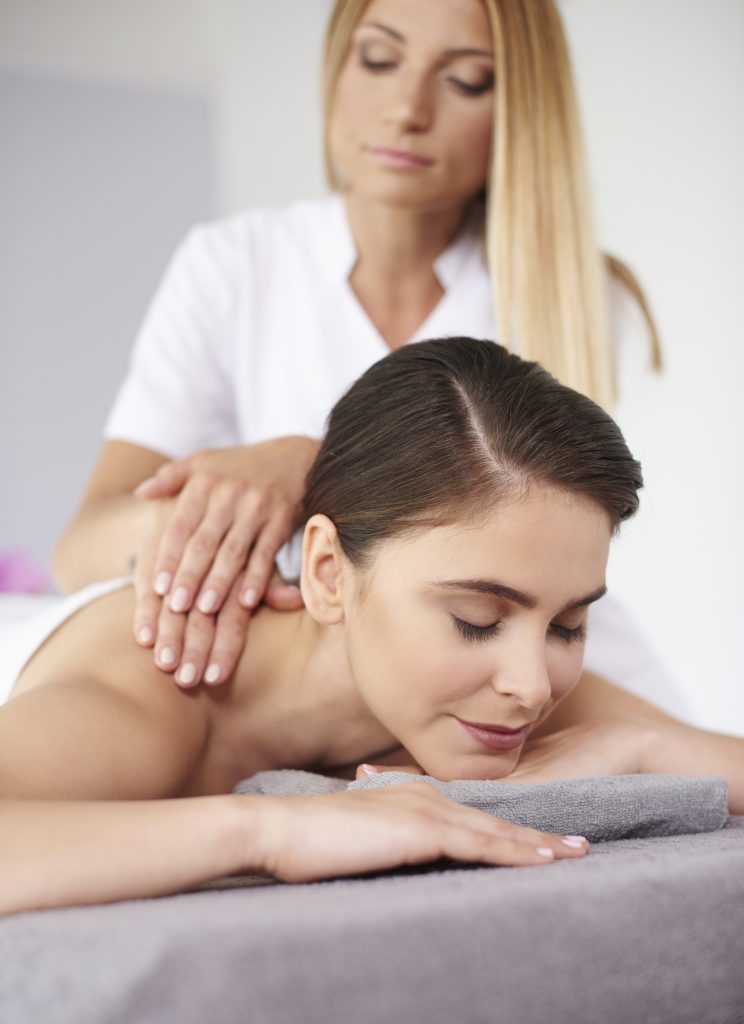
Massage
Massage is beneficial for anxiety.
A study found participants who received regular massage therapy for 12 weeks had a 50 percent reduction in anxiety symptoms.
And the benefits weren’t short-lived either.
In addition to its calming effects, massage therapy can help alleviate the symptoms of anxiety, including muscle tension and sleep disturbances.
https://www.ncbi.nlm.nih.gov/pmc/articles/PMC2922919/

Health Vectors
1st Floor
966, 27th Main, 8th Cross
Sector 1, HSR Layout
Bangalore 560102
(Behind Pai International)