Health Vectors
1st Floor
966, 27th Main, 8th Cross
Sector 1, HSR Layout
Bangalore 560102
(Behind Pai International)

Do you have high cholesterol?
Even if you are on medications, lifestyle and diet changes can help you reduce cholesterol and lower your chances of getting heart diseases.
Go nuts for nuts
A handful of nuts like almonds, walnuts etc. Are a very healthy snack option.
They are high in monounsaturated fat, which lowers LDL "bad" cholesterol but leaves HDL "good" cholesterol alone.
Studies show that people who eat about an ounce of nuts a day are less likely to get heart disease.
Avoid the fried and salted variety.
https://www.ncbi.nlm.nih.gov/pmc/articles/PMC3257681/
Read the label
Getting to understand food labels will help you make healthier choices when you shop.
You’ll be able to see at a glance if a food is high or low in salt, sugar, fat and energy, and compare products easily, helping to look after your blood pressure and your health overall.
Know what's good and bad
The body needs a small amount of cholesterol. But many people have too much, especially the “bad” kind, or LDL cholesterol.
That can happen if you eat too much saturated fat, found mainly in foods from animals.
If your LDL level is too high, plaque can build up in your heart's arteries and lead to heart disease.
The “good” cholesterol, HDL, found in foods like nuts, fatty fish, legumes etc. helps clear LDL from your blood.
Go mega on Omega 3
Fishes are a great source of protein and omega 3 fatty acids.
You can have fish like mackerel, tuna, salmon etc. that are rich in Omega 3 fatty acids about 2 times a week.
Omega-3s help lower levels of triglycerides, a type of fat in the blood.
They may also cut down on cholesterol, slowing the growth of plaque in arteries.
https://www.ncbi.nlm.nih.gov/pmc/articles/PMC4153275/
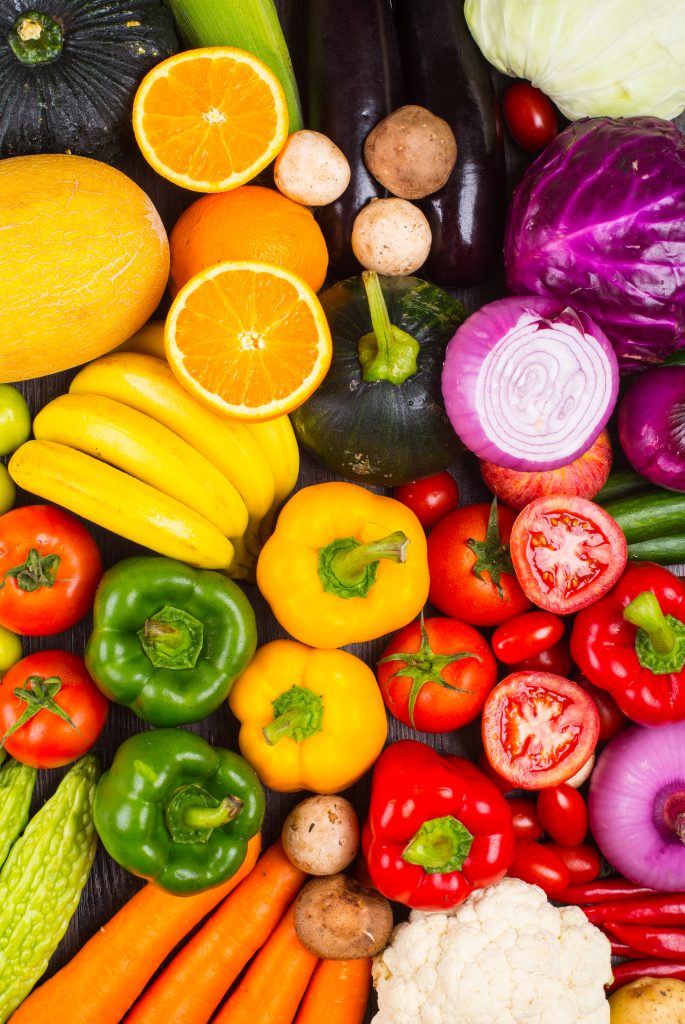
Go for bright, delicious and nutritious
Aim for 5-7 servings daily of fruits and vegetables.
The antioxidants and fibers help to bring down your LDL (bad cholesterol) levels.
Eating fiber rich vegies and fruits will also help you cut down on your fatty food consumption.
Complex is good
Whole grains and pulses such as brown rice, dals, chickpeas, mung beans, whole wheat etc. are rich in complex carbohydrates and don’t spike your blood sugar.
They will lower cholesterol and make you feel full longer.
Walk it
Cardio exercise such as brisk walking lowers the chance of stroke and heart disease, helps you lose weight, keeps bones strong, and is great for your mood and stress management.
Invest in a good pair of shoes and get started.
Relax and chill
Stress leads to increased blood pressure which can also cause high levels of cholesterol in some people.
Take time out and relax. Make "me" time a daily thing.
You can meditate, pray, paint, do anything that helps you relax and chill.
Watch that weight
The extra weight you carry can make you more likely to get high cholesterol, high blood pressure, and type 2 diabetes.
These all affect the lining of your arteries, making them more likely to collect plaque from cholesterol.
Losing weight, especially belly fat, raises your good and lowers your bad cholesterol.
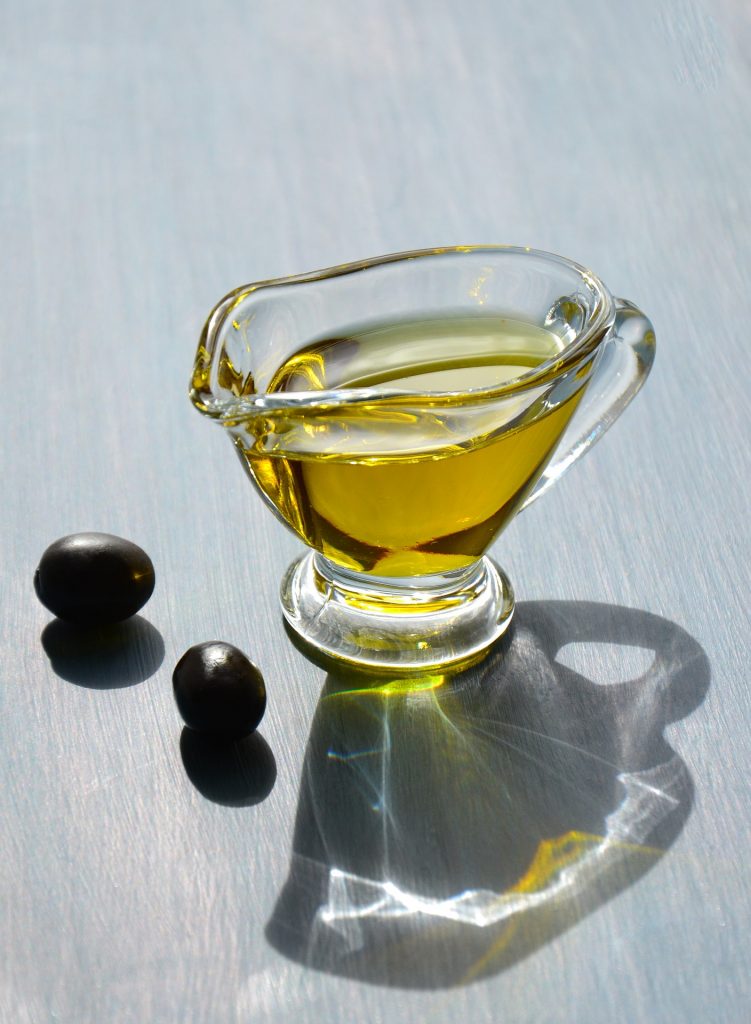
Go unsaturated
Your body needs very little fat daily.
Remember the quality of the fat is also very important.
Go for unsaturated fats that are found in nuts like almonds, walnuts, seeds like pumpkin and sesame seeds, oils like peanut oil, sunflower oil, soyabean oil and olive oil.
Unsaturated fats help lower LDL "bad" cholesterol and may also help raise HDL "good" cholesterol.
Remember, good fats have just as many calories, so use just a bit.
30 minutes
Just 30 minutes of exercise 5 days a week can lower your bad and good cholesterol levels.
Being active also helps you reach and keep a healthy weight, which cuts your chance of developing clogged arteries.
If you can't exercise for 30 minutes straight, you can break it up into 3 sessions of 10 minutes each.
Keep Moving
Being active for 30 minutes and a couch potato for 23.5 hours will not do any good.
Try and be active during the day. Walk your dog, dance it out, do some gardening; all of this helps to keep you moving.
Even your daily house-work helps, if it gets your heart rate up.
Do as much as possible, as often as you can, wherever your day takes you.
Eating out- Be Smart
Restaurant food can be loaded with saturated fat, calories, and sodium.
Pick foods that are grilled, broiled, steamed etc.
Go easy on fried food and the rich gravies.
Sometimes even having a small healthy snack at home before you go out for a meal can prevent you from eating too much.

Don’t miss your Doctor follow up's
While you may follow all the above tips and tricks to control your cholesterol, do follow up with you doctor regularly to know how it’s going.
Never stop/change any medications without consulting your doctor, even if you blood reports show improved numbers.
Working together, you'll keep your heart going strong.
Disclaimer: The advice provided is intended for informational purpose only and does not substitute for professional medical advice. Consult with your doctor if you’re seeking medical advice, diagnoses, or treatment.

Health Vectors
1st Floor
966, 27th Main, 8th Cross
Sector 1, HSR Layout
Bangalore 560102
(Behind Pai International)