Health Vectors
1st Floor
966, 27th Main, 8th Cross
Sector 1, HSR Layout
Bangalore 560102
(Behind Pai International)


A diagnosis of high cholesterol may have prompted you to eat right, exercise, and take medication.
But could something be sabotaging your success?
Find out if you’re making any of these common cholesterol mistakes.
You forget to take your medication — or have stopped altogether.
Cholesterol medications have proven to be an effective method to reduce cholesterol levels.
Once the levels reduce a bit, many people go off medications or become irregular with them.
These medications are not a matter of choice and taking them irregularly will lead to serious complications.
Dieting on and off
The cumulative negative effects of dieting off and on are substantial and one of them is high cholesterol levels.
Instead, make sustainable lifestyle changes like eating fruit every time you feel like eating something sweet or drinking more water.
Start small and build up a healthy lifestyle over a period of time.
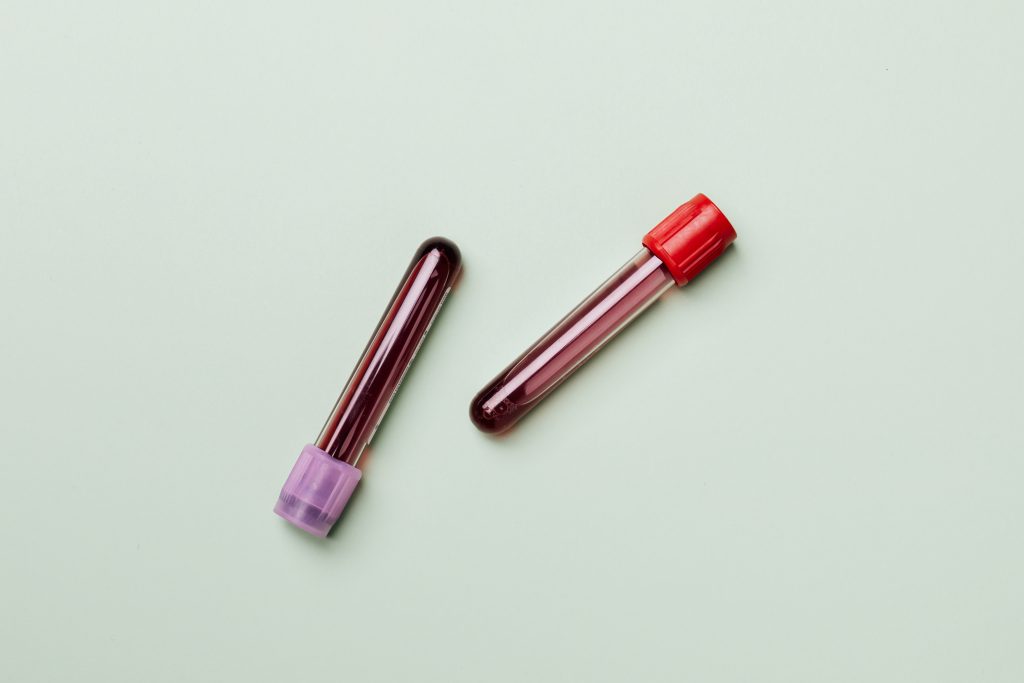
You don't get tested
Unhealthy cholesterol numbers don't typically cause any symptoms, so it's important to get checked.
After age 20, your doctor will want to do a simple blood test every 4 to 6 years to make sure your numbers are in the healthy range.
If your levels are off, your doctor will keep a close eye on them to see if you need treatment.
Eating too much junk food
Junk food and processed food are highly detrimental to health.
They are rich in preservatives and Trans fats which add to high cholesterol.
The saturated fats in this kind of diet reduce the levels of HDL or good cholesterol.
Weight gain is tougher to control and lose because it deposits over the organs.
Abstain from processed foods, colas, burgers, pizza, cakes, cookies, mithai, biscuits, puffs, rolls etc.
You choose to be a couch potato
Sitting too long can be linked to obesity, heart disease and high blood pressure.
It lowers "good" cholesterol, which helps get rid of the bad stuff, and raises triglyceride levels.
This is true even if you exercise regularly.
If you work at a desk, try to get up and move around every 30 minutes.

You Smoke
It lowers your "good" cholesterol levels, which means you keep more of the bad stuff.
And it's linked to high blood pressure, diabetes, and heart disease.
Quitting can make your cholesterol levels better and help protect your arteries.
You Ignore Other Conditions
It’s important to understand and treat any medical issues linked to bad cholesterol numbers like high blood pressure, diabetes, kidney disease, liver disease, and hypothyroidism.
If you have one of those conditions and manage it well, you may help your numbers, too.
Not weeding out alcohol from your diet
High cholesterol is not just a result of a diet rich in saturated and Trans fats but even alcohol consumption have a huge role to play in high cholesterol readings.
Watch out for the number of drinks and their frequency to control high cholesterol.
You Carry The Weight Around The Waist
Belly fat is one of the worst things that can happen to the body as it signifies eminent heart problems.
It is responsible for reducing the good cholesterol in the body and raising the levels of bad cholesterol.
You Skip Workout
Regular exercise is one of the best ways to control your cholesterol.
You don’t have to run a marathon -- 40 minutes of walking, swimming, cycling, or dancing 3 or 4 times a week will do the trick.
If you’re short on time, you can break it into 10-minute increments throughout the day.
You cut out all fats
They’re not all bad. Replace saturated and trans fats with healthier polyunsaturated and monounsaturated fats.
You’ll find those fats in trout, salmon, herring, avocados, olives, walnuts, and liquid vegetable oils like safflower, canola, sunflower, and olive oil.
But make sure no more than 30% of your daily calories come from any kind of fat.
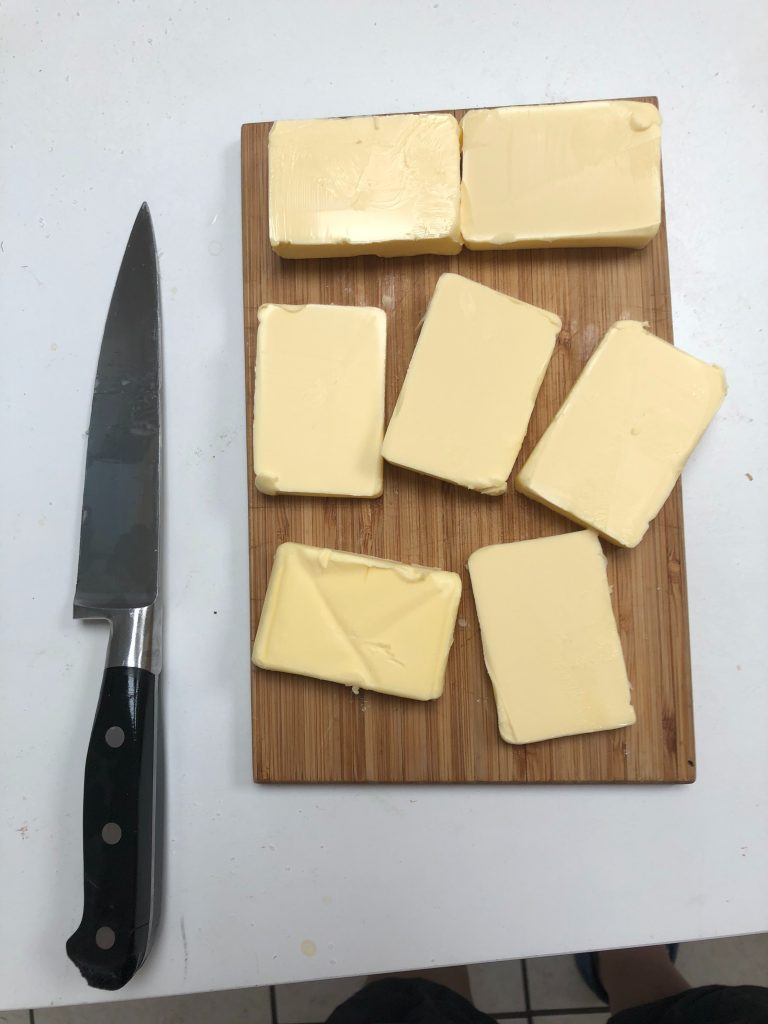
You Eat a Lot of Saturated Fat
This comes from beef, pork, lamb, and full-fat dairy like butter, cream, milk, cheese, and yogurt, as well as tropical oils like palm and coconut.
All those things can raise your LDL, or “bad” cholesterol.
It can help to trim visible fat from meats and go with skim milk and low-fat yogurt
If your LDL is high, you shouldn’t get more than 6% of your calories from saturated fat.
You Forget About Fiber
There are 2 types: soluble, which dissolves in water, and insoluble, which doesn’t.
Both are good for your heart health, but soluble fiber in particular helps lower your LDL levels.
Add it to your diet with a bowl of oatmeal in the morning or with oat bran, fruits, beans, lentils, or vegetables.
Disclaimer: The advice provided is intended for informational purpose only and does not substitute for professional medical advice. Consult with your doctor if you’re seeking medical advice, diagnoses, or treatment.

Health Vectors
1st Floor
966, 27th Main, 8th Cross
Sector 1, HSR Layout
Bangalore 560102
(Behind Pai International)