Health Vectors
1st Floor
966, 27th Main, 8th Cross
Sector 1, HSR Layout
Bangalore 560102
(Behind Pai International)


What is Cholesterol?
*Cholesterol is a substance made in the liver that’s vital to human life.
*Cholesterol is also in foods, such as meat and dairy, so if you eat a lot of these foods, your cholesterol levels may become too high.
*In our bodies, cholesterol serves three main purposes:
a) It aids in the production of hormones
b) It’s a building block for human tissues.
c) It assists in bile production in the liver.
*These are important functions, all dependent on the presence of cholesterol.
Types of Cholesterol
There are different types of cholesterol that can impact your health.
When people talk about cholesterol, they often use the terms “LDL and HDL.”
Both are lipoproteins, which are compounds made of fat and protein that are responsible for carrying cholesterol throughout your body in the blood.
LDL (Low Density Lipoprotein)
LDL is often called the "BAD" cholesterol. It is called so, because too much of it can lead to the hardening of the arteries.
According to the American Heart Association (AHA), LDL leads to plaque accumulation on the walls of your arteries.
This plaque build up can cause two separate and equally bad issues.
One, it can narrow your blood vessels, straining the flow of oxygen-rich blood throughout your body.
Two, it can lead to blood clots, which can break loose and block the flow of blood, causing a heart attack or stroke.
HDL (High Density Lipoprotein)
HDL is the "GOOD" cholesterol. It is called so because it helps to keep your cardiovascular system healthy.
It actually aids in the removal of LDL from the arteries.
It carries the bad cholesterol back to your liver, where it’s broken down and eliminated from your body.
High levels of HDL have also been shown to protect against stroke and heart attack, while low HDL has been shown to increase those risks.
Triglycerides
Triglycerides are another type of fat in your blood. Like cholesterol, too much is a bad thing.
High triglycerides usually accompany high cholesterol and are associated with an increased risk of heart disease.
Doctors generally weigh the importance of your triglyceride count against other measurements, like obesity, cholesterol levels, and more.
Screening
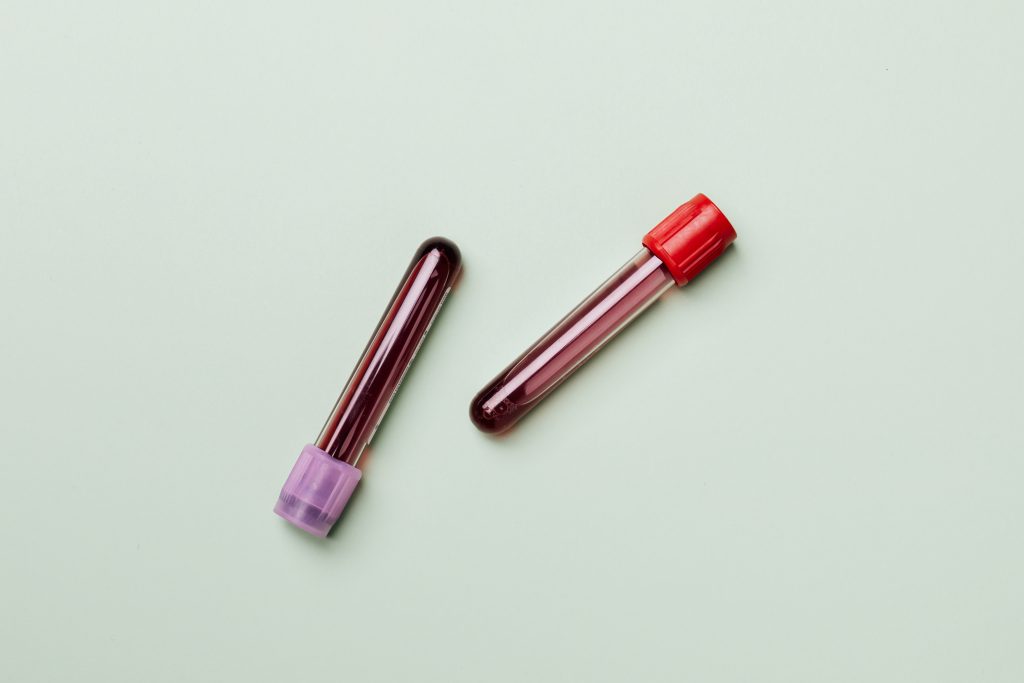
The screening for cholesterol involves a simple blood test called a "Lipid Profile"
Before the test, you should not eat or drink for up to 12 hours.
The test will help doctors determine your levels of HDL, LDL, and triglycerides.
Measuring these types of cholesterol can help determine if you need to make lifestyle changes to try to normalize these levels.
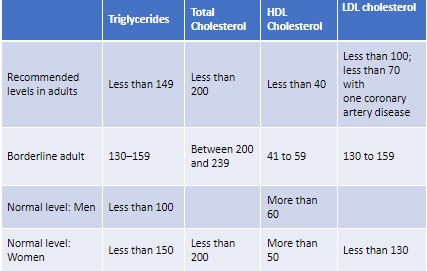
Know your Numbers
According to the American Heart Association, the following are the age-wise recommended cholesterol levels
Causes of High Cholesterol
Lifestyle factors can cause high cholesterol. These factors can include;
*Obesity
*A diet high in red meat, full-fat dairy products, saturated fats, trans fats, and processed foods
*A large waist circumference (over 40 inches for men or over 35 inches for women)
*Lack of regular exercise
Causes of High Cholesterol
Stress can contribute to high cholesterol. Unmanaged stress may lead to behaviors that can increase LDL and total cholesterol, such as:
*Overeating fatty foods
*Inactivity
*Increased smoking
A review showed that smokers typically have low HDL (good cholesterol)levels compared to nonsmokers. Research shows that quitting smoking can increase HDL levels.
Causes of High Cholesterol
Another cause is inherited high LDL. This condition is called familial hypercholesterolemia (FH).
FH is caused by a genetic mutation that affects the ability of a person’s liver to get rid of extra LDL cholesterol. This may lead to high LDL levels and an increased risk of heart attack and stroke at a young age.
Treatment of High Cholesterol
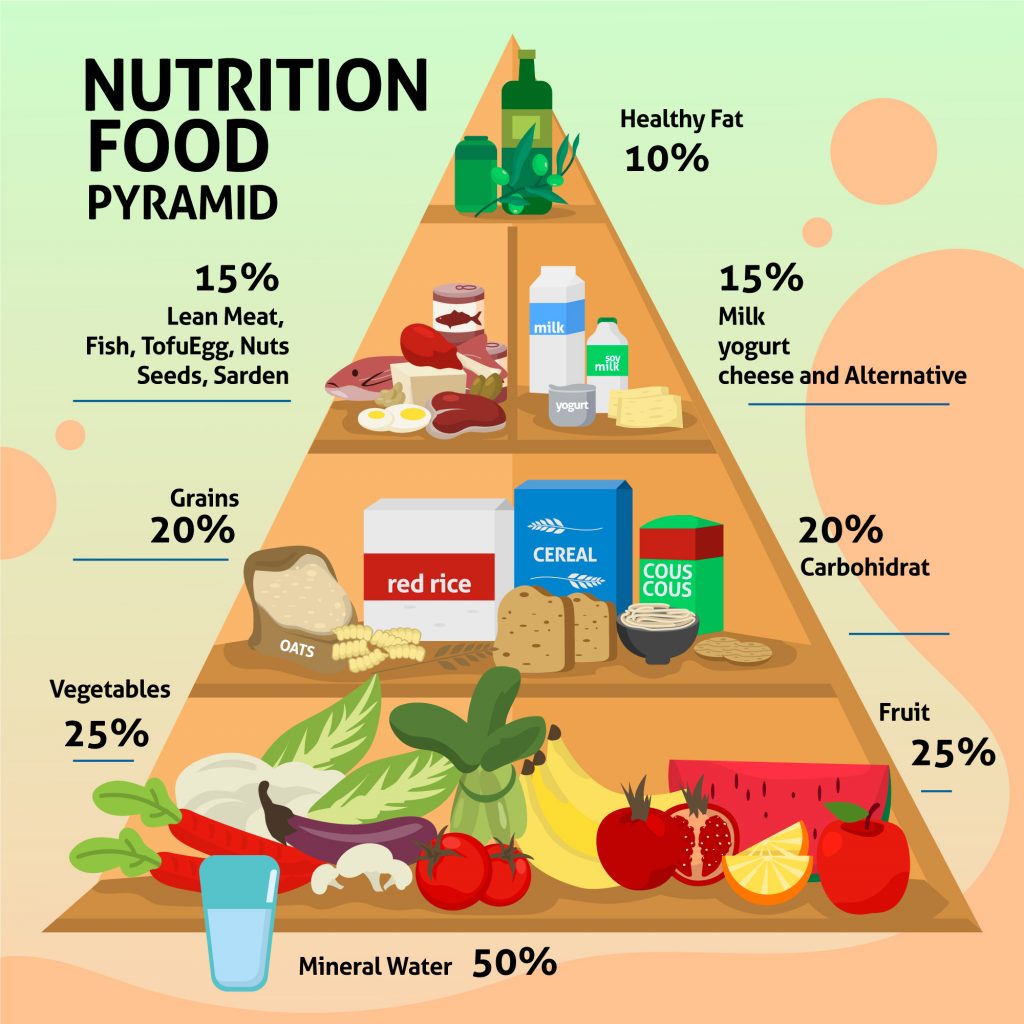
Generally, a doctor recommends lifestyle changes to treat high cholesterol. These changes include;
*Quit smoking, if you do
*Consume a nutritious balanced diet
*Regular physical activity
*Quit/ reduce alcohol intake
*Reduce stress
*Maintain moderate weight
Treatment of High Cholesterol
Sometimes lifestyle changes are not enough, especially in cases of individuals with FH.
Such individuals are recommended medicines called 'Statins' to help the liver get rid of cholesterol.
Medications and supplements to reduce triglyceride levels may also be used, such as omega-3 fatty acids and fibrates.
Fibrates are medications to help lower triglyceride levels and increase the levels of high-density lipoprotein (HDL) cholesterol.
Foods to Eat
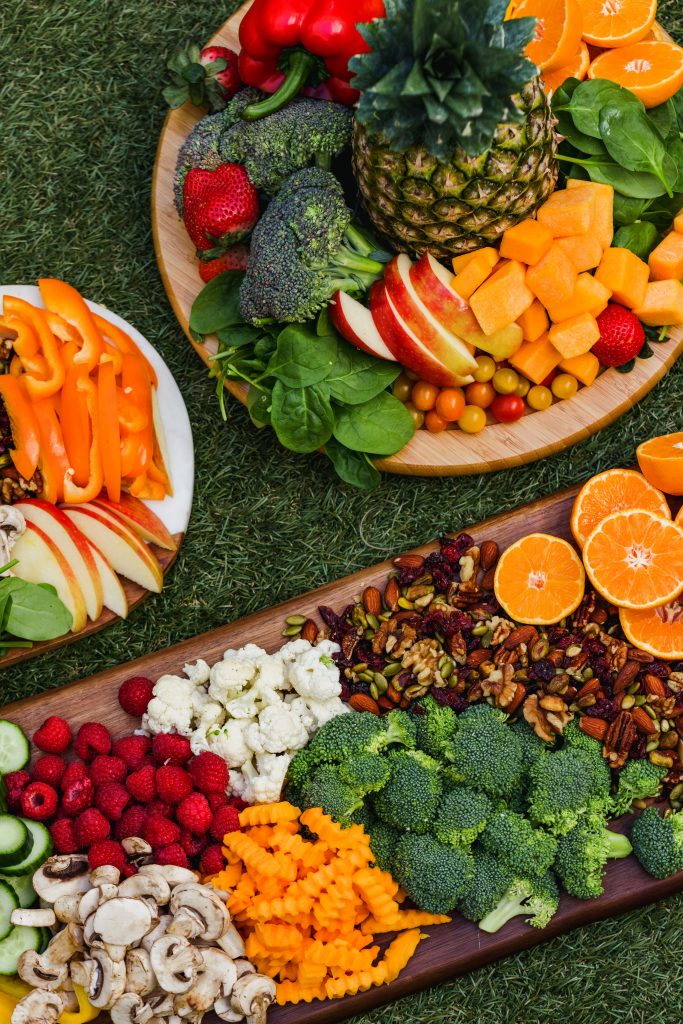
The American Heart Association recommends to eating these foods to help lower total cholesterol and increase HDL.
Fresh fruits and vegetables
*Whole grains
*Lean protein like chicken, egg whites
*Lean cuts of red meat
*Fatty fish like tuna, mackerel, sardines salmon etc.
*Unsalted nuts and seeds
*Pulses and legumes
*Vegetable oil
Foods to Avoid
Avoid consumption of these foods as they can increase LDL.
Fatty red meat
Fried Foods
Full fat dairy
Foods made with trans fats like vanaspati and margarine

Prevention
You’re never too young to start thinking about preventing high cholesterol. Eating a balanced, nutritious diet is an important first step. Other changes you can do include;
*Opt for tomato-based gravy, instead of cream-based ones.
*Try and eat 2 servings of fish per week.
*Swap that soda for a glass of lime water or plain water
*Use healthier cooking methods like roasting, grilling, steaming etc.
*Try to fit in at least 30 minutes of exercise daily. Walking, swimming, or riding a bike are great options.
Disclaimer: The advice provided is intended for informational purpose only and does not substitute for professional medical advice. Consult with your doctor if you’re seeking medical advice, diagnoses, or treatment.

Health Vectors
1st Floor
966, 27th Main, 8th Cross
Sector 1, HSR Layout
Bangalore 560102
(Behind Pai International)