Health Vectors
1st Floor
966, 27th Main, 8th Cross
Sector 1, HSR Layout
Bangalore 560102
(Behind Pai International)


If you are suffering from depression, there are ways you can improve your overall sense of well-being.
Small steps you can take can help you feel more in control and better equipped to deal with the situation.
Wallow Constructively
Suppressing your feelings and emotions may seem like a strategic way to cope with the negative symptoms of depression.
However, this is an unhealthy habit. If you’re having a down day, have it.
Let yourself feel the emotions — but don’t stay there.
Consider writing or journaling about what you’re experiencing.
Eat Healthy
There’s no magic diet that will treat depression.
But what you put into your body can have a real and significant impact on the way you feel.
Eating a diet rich in lean meats, vegetables, and grains may be a great place to start.
Some people also feel better and have more energy when they avoid sugar, preservatives, and processed foods.
Avoid Alcohol
Avoiding alcohol can make a big impact on your depression.
Some people may feel temporary relief from their depression when consuming alcohol, but once the effect wears off, your symptoms can feel more severe.
They can even make your depression more difficult to treat.

Reduce Caffeine
Anxiety often happens along with depression.
And too much caffeine can make you nervous, jittery, or anxious.
While scientists haven't found a clear link between caffeine and depression, cutting back on it may help lower your chances of having the condition and improve your sleep.
Choose foods to boost your mood
Some studies say omega-3 fatty acids and vitamin B12 may play a role with brain chemicals that affect mood and other brain functions.
Low levels may be linked to depression. Fatty fish like salmon, tuna, and mackerel have omega-3s.
https://www.ncbi.nlm.nih.gov/pmc/articles/PMC4872453/
Volunteer
Volunteering keeps you in regular contact with others and helps you develop a solid support system, which protects you against depression.
Researchers have discovered that being helpful to others delivers immense pleasure.
Human beings are hard-wired to give to others.
The more we give, the happier we feel.
 young lady holding hands on headphones while listening to music in t-shirt and looking happy. front view.
Music
Music can be a great way to boost your mood and improve symptoms of depression.
Researchers have concluded that music is a valid therapy to potentially reduce depression and anxiety, as well as to improve mood, self-esteem, and quality of life.
https://www.ncbi.nlm.nih.gov/pmc/articles/PMC6542982/
Try Something New
When you do the same thing day after day, you use the same parts of your brain.
You can challenge your neurons and alter your brain chemistry by doing something entirely different.
Research also shows doing new things can improve your overall well-being and strengthen your social relationships.
Try and get enough sunlight If you feel more depressed during darker, cold months you may have seasonal affective disorder (SAD).
It's most common in the winter, when there's less sunlight.
You can treat SAD with light therapy, antidepressants, Vitamin D supplements, and talk therapy.

Spend time in nature
Mother Nature can have a powerful influence on depression suggests people who spend time in nature have improved mental health.
Exposure to sunlight may offer some of the same benefits.
It can increase your serotonin levels, which can provide a temporary mood boost.
Get sufficient sleep
Sleep disturbances are common with depression.
Aim for eight hours of sleep per night.
Going to bed and waking up at the same time every day can help you with your daily schedule.
Getting the proper amount of sleep may also help you feel more balanced and energized throughout your day.
Treat your aches and pains
When you are in pain, it's hard to stay in a good mood.
Taking care of any physical aches and pains will help you mentally stay well.
Work with your doctor and treat any physical ailments that may worry you.

Pet Therapy
A pet can remind you that you're not alone.
They offer unconditional love, which can be extraordinarily soothing when feeling isolated.
Playing with a dog or cat raises our levels of serotonin and dopamine.
These are hormones that calm and relax the nervous system
When we smile and laugh at our pets’ cute behavior, that helps stimulate the release of these “happiness hormones.”
https://www.ncbi.nlm.nih.gov/pmc/articles/PMC3408111/
Explore your creativity
Painting, photography, music, knitting, or arts and craft are all ways you can explore your feelings and express what's on your mind.
The goal isn't to create a masterpiece.
Do something that gives you pleasure.
It may help you better understand who you are and how you feel.
Yoga and meditation
Stress and anxiety can prolong your depression symptoms.
Finding relaxation techniques can help you lower stress and invite more joy and balance into your day.
Research suggests activities like meditation, yoga and deep breathing may help you improve your sense of well-being and feel more connected to what’s happening around you.
https://www.ncbi.nlm.nih.gov/pmc/articles/PMC3193654/

Pick a physical activity you enjoy
If you don’t like to hit the gym, there are many other options you can choose to stay physically active.
You can take walks, play basketball, ride a bike, work in your garden, play tennis, or go swimming.
The important thing is to pick something you like.
Then you'll look forward to it and feel better when you do it.
Try Low-Fat Carbs for a Pick-Me-Up
It can be difficult to distinguish between true and emotional hunger.
If you eat well throughout the day, it may be easier to spot when you’re eating out of boredom or sadness or stress.
Still having trouble? Try reaching for healthy snacks, like fresh fruit or vegetables, plain popcorn, and other low-fat, low-calorie foods.
Workout- Stay Active
On days when you feel as if you can’t get out of bed, exercise may seem like the last thing you’d want to do.
However, exercise and physical activity can be powerful depression fighters.
Research suggests that, for some people, exercise can be as effective as medication at relieving depression symptoms.
It may also help prevent future depressive episodes.

Group Exercise
Connections with other people can help you overcome the sluggish, lonely feelings of depression.
Join an exercise group or work out with a friend.
You'll stay in touch and have support to keep yourself on track.
Create a Routine
If depressive symptoms disrupt your daily routine, setting a gentle schedule may help you feel in control.
Your schedule could focus on the time before work or right before bed.
Perhaps it’s only for the weekends.
Focus on creating a loose, but structured, routine that can help you keep your daily pace going.
Don’t shut out friends and family
The people who love you want to support you. If you shut them out, they can't.
If you let them in, you'll feel a lot better.
Call a friend and go for a walk.
Have a cup of coffee with your partner.
You may find it helps to talk about your depression.
It feels good to have someone listen.
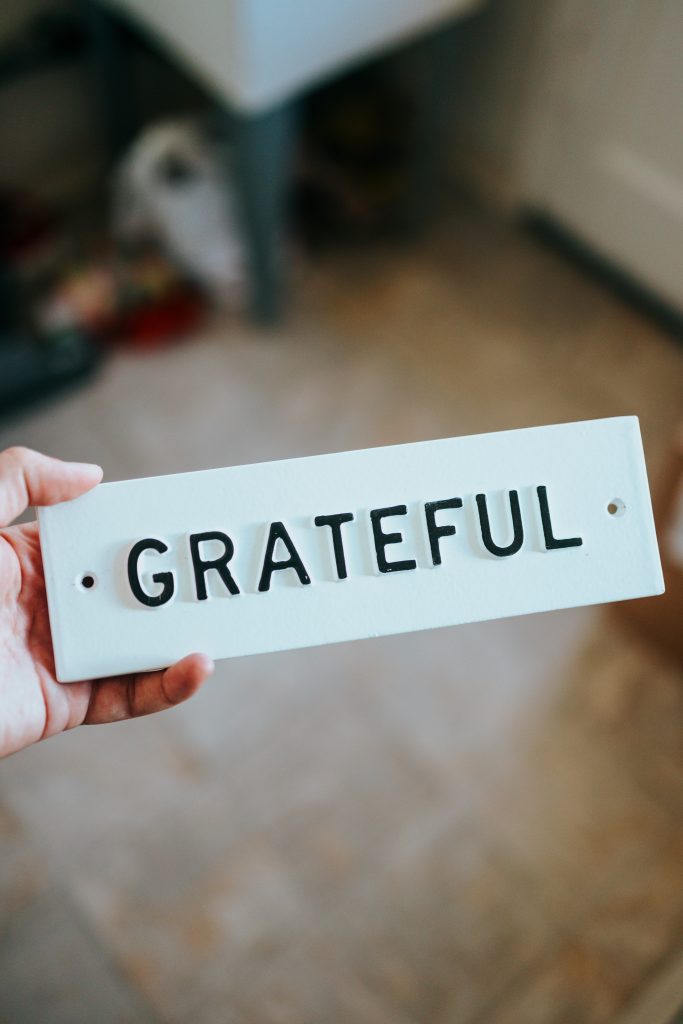
Practice Gratitude
When you do something, you love, or even when you find a new activity you enjoy, you may be able to boost your mental health more by taking time to be thankful for it.
Research shows gratitude can have lasting positive effects on your overall mental health.
What’s more, writing down your gratitude — including writing notes to others — can be particularly meaningful.
https://www.ncbi.nlm.nih.gov/pmc/articles/PMC3010965/
Continue your treatment
Exercise, a healthy diet, and other good habits may help you feel positive about your life.
But they won't replace medical treatment or talk therapy.
Depression is a serious illness, and it carries a risk of suicide.
If you are thinking about harming yourself, get help right away.
And never stop or change your treatment without discussing it with your doctor.
Disclaimer: The advice provided is intended for informational purpose only and does not substitute for professional medical advice. Consult with your doctor if you’re seeking medical advice, diagnoses, or treatment.

Health Vectors
1st Floor
966, 27th Main, 8th Cross
Sector 1, HSR Layout
Bangalore 560102
(Behind Pai International)