Health Vectors
1st Floor
966, 27th Main, 8th Cross
Sector 1, HSR Layout
Bangalore 560102
(Behind Pai International)


Keeping your lungs healthy is essential to feeling your best.
Lifestyle modifications, including following a nutrient-rich diet, can help protect your lungs and even reduce lung damage and symptoms.
Specific nutrients and foods have been identified to be particularly beneficial for lung function.
Yogurt
Yogurt is rich in calcium, potassium, phosphorus, and selenium.
According to research, these nutrients may help boost lung function and protect against COPD risk.
COPD is chronic obstructive pulmonary disease is a chronic inflammatory lung disease that causes obstructed airflow from the lungs commonly seen in smokers.
Beet & Beet Greens
Beetroot and beet greens are rich in nitrates, which have been shown to benefit lung function.
Nitrates help relax blood vessels, reduce blood pressure, and optimize oxygen uptake.
Beet greens are packed with magnesium, potassium, vitamin C, and carotenoid antioxidants, all of which are essential to lung health.

Peppers/ Capsicum
Peppers are amongst the richest sources of vitamin C.
Getting enough vitamin C is especially important for those who smoke.
Many studies show that smokers may benefit from higher doses of vitamin C and that smokers with high vitamin C intake have better lung function than those with lower vitamin C intake.
Apples
Research has shown that regularly eating apples may help promote lung function.
Apple intake has also been linked to a lower risk of asthma and lung cancer.
This may be due to the high concentration of antioxidants in apples, including flavonoids and vitamin C.

Pumpkins
The brightly colored flesh of pumpkins contains a variety of lung-health-promoting plant compounds.
They’re especially rich in carotenoids, including beta carotene, lutein, and zeaxanthin — all of which have powerful antioxidant and anti-inflammatory properties.
Studies show that having higher blood levels of carotenoids is associated with better lung function in both older and younger populations.
https://www.ncbi.nlm.nih.gov/pmc/articles/PMC2104600/
Turmeric
Curcumin, the main active component in turmeric, may be especially beneficial for supporting lung function.
A study found that curcumin intake was associated with improved lung function.
Plus, the lung function of smokers who had the highest intake of curcumin was significantly greater than smokers who had low curcumin intake.
Tomato
Tomatoes and tomato products are among the richest dietary sources of lycopene, a carotenoid antioxidant that has been associated with improved lung health.
A study in 105 people with asthma demonstrated that a diet rich in tomatoes was associated with a lower prevalence of poorly controlled asthma.
Plus, tomato intake is also associated with a slower decline in lung function in ex-smokers.
https://www.ncbi.nlm.nih.gov/pmc/articles/PMC3904132/
 Oolong green tea in a teapot and bowl.
Green Tea
Epigallocatechin gallate (EGCG) is an antioxidant and anti-inflammatory compound found in green tea.
EGCG boasts antioxidant and anti-inflammatory properties and has been shown to inhibit fibrosis or scarring of tissues.
Pulmonary fibrosis is a disease characterized by progressive, lung-function-compromising scarring.
Coffee
Coffee is packed with caffeine and antioxidants, which may be beneficial for lung health.
A review of 15 studies found that long-term coffee intake was associated with positive effects on lung function.
The study also found a reduced risk of asthma as a result of drinking coffee.
https://www.ncbi.nlm.nih.gov/pmc/articles/PMC2727200/
Anchovies
Anchovies are tiny fish that are packed with anti-inflammatory omega-3 fats, as well as other lung-health-promoting nutrients like selenium, calcium, and iron.
Consuming an omega-3-rich diet may help reduce symptoms in people with asthma.
 Top view different lentils in mini white spice bowls on black stone background. vertical
Lentils
Lentils are high in many nutrients that help support lung function, including magnesium, iron, copper, and potassium.
Eating fiber-rich lentils may help protect against lung cancer and COPD.
Cocoa
Cocoa products like dark chocolate are high in flavonoid antioxidants and contain a compound called theobromine, which helps relax the airways in the lungs.
Cocoa intake has been associated with a lower risk of allergic respiratory symptoms and may help protect against lung cancer.
Barley
Barley is a nutritious whole grain that’s high in fiber.
High fiber diets rich in whole grains have been shown to have a protective effect on lung function and may reduce the risk of mortality from lung-related diseases.
The antioxidants found in whole grains like flavonoids and vitamin E also promote lung health.
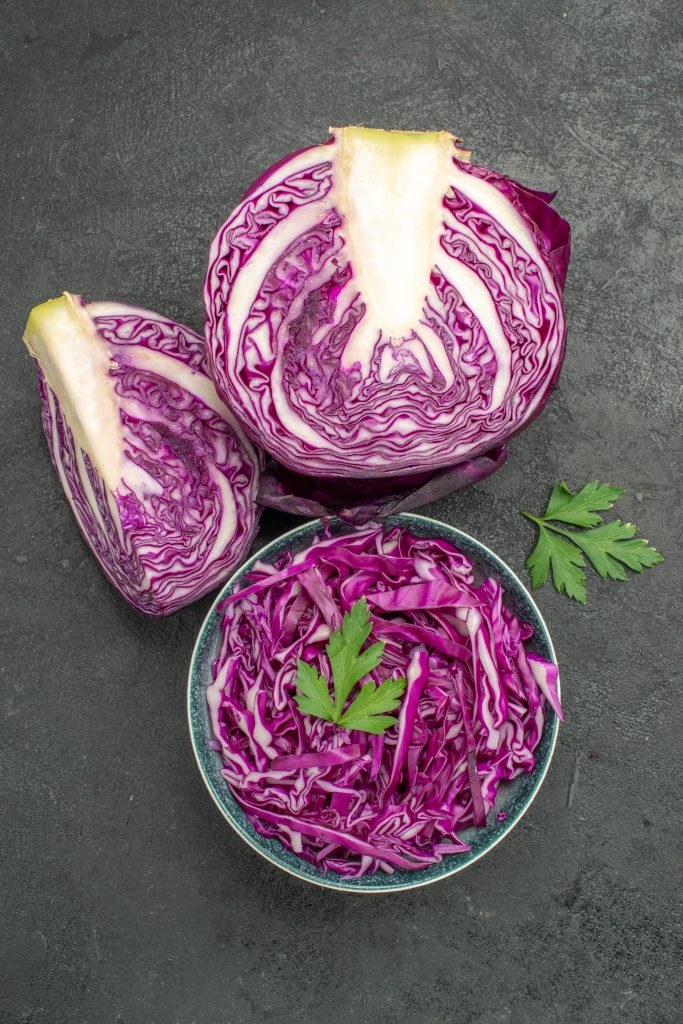
Red Cabbage
Red cabbage is rich source of anthocyanins.
These plant pigments give red cabbage its vivid color.
Anthocyanin intake has been linked to a reduced decline in lung function.
Cabbage is packed with fiber.
Studies show that people who consume more fiber have better lung function than those who consume low amounts of fiber.
Olive Oil
Consuming olive oil may help protect against respiratory conditions like asthma.
Olive oil is a concentrated source of anti-inflammatory antioxidants, including polyphenols and vitamin E, which are responsible for its powerful health benefits.
A study found that those who had high olive oil intake had a reduced risk of asthma.
https://onlinelibrary.wiley.com/doi/abs/10.1111/cea.13352

Blueberries
Blueberries are loaded with nutrients, and their consumption has been associated with several health benefits, including protecting and preserving lung function.
Blueberries are a rich source of anthocyanins that are powerful pigments that have been shown to protect lung tissue from oxidative damage.

Health Vectors
1st Floor
966, 27th Main, 8th Cross
Sector 1, HSR Layout
Bangalore 560102
(Behind Pai International)