Health Vectors
1st Floor
966, 27th Main, 8th Cross
Sector 1, HSR Layout
Bangalore 560102
(Behind Pai International)


Constipation is a common complaint that often results from the diet and lifestyle.
The medical community defines constipation as reduction in bowel movements or difficulty passing stools.
Eating certain foods can help to improve the frequency of bowel movements.
We look at a list of foods that can promote bowel movements.
Water
Dehydration is a common cause of constipation and drinking plenty of water can often help to ease or resolve the symptoms.
When a person becomes dehydrated, their intestines cannot add enough water to stools.
This results in hard, dry, and lumpy stools and can lead to constipation.
However, there are other causes also which contribute to constipation and only drinking lots of water will not solve it.
Whole Wheat Products
Whole wheat products are an excellent source of insoluble fiber, which adds weight to stools and speeds up the flow of materials through the intestines.
Add the goodness of whole wheat to you daily diet by consuming products like whole wheat chapati, whole wheat bread, daliya etc.
Yogurt
Many dairy products, including yogurt, contain microorganisms known as probiotics.
Probiotics are often called “good” bacteria, and they help to improve gut health and soften stools.

Apples & Pears
Apples and pears contain several compounds that improve digestion, including fiber, sorbitol, and fructose.
These fruits also contain high levels of water, which can help to ease digestion and prevent constipation.
To get the most benefit from apples and pears, eat them raw and whole, with the skin intact.
Pulses
Most beans, lentils, chickpeas, and peas are very high in fiber, which is a nutrient that promotes good digestion and reduces constipation.
Grapes
Grapes have a high skin-to-flesh ratio, which means that they are rich in fiber, and they also contain a lot of water.
To ease constipation, try eating a few handfuls of raw, washed grapes.
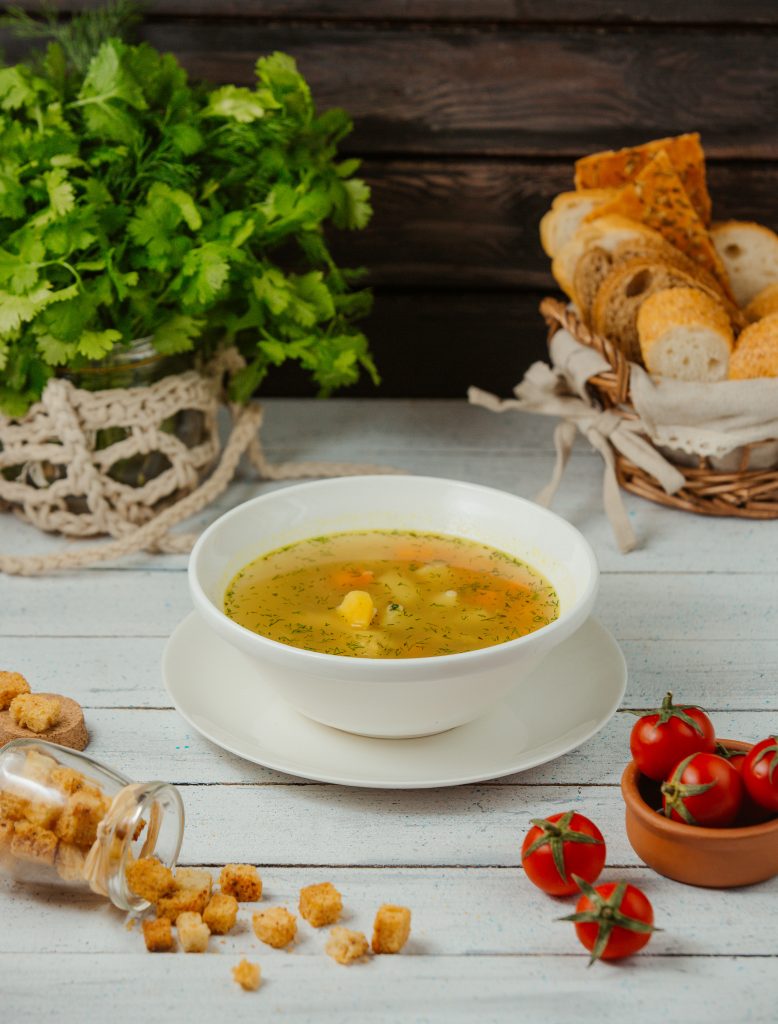 a bowl of chicken soup with potato, carrot and dill served with bread slices
Clear Soups
Clear soups are nutritious and easy to digest.
They also add moisture to hard, dense stools, which can soften them, making them easier to pass.
Warm liquids and foods are also generally easier to digest.
Broccoli
Broccoli contains sulforaphane, a substance that protects the gut and ease digestion.
Sulforaphane may also help to prevent the overgrowth of some intestinal microorganisms that can interfere with healthy digestion.
People who eat broccoli sprouts have fewer symptoms of constipation and quicker bowel movements.
 Fresh prune and dried prune on wooden board background
Prunes & Figs
Prunes contain a lot of fiber, which is known to ease and speed up bowel movements.
Dried figs are loaded with fiber which can help in a smooth bowel movement. These are also rich in vitamin B6 that can indirectly ease digestion.
Prunes are popular as a remedy for constipation in many parts of the world.
https://pubmed.ncbi.nlm.nih.gov/25109788/
Wheat Bran
Wheat bran is another popular home remedy for constipation.
It is rich in insoluble fiber, which can speed up the flow of materials through the intestines.
Wheat bran can be added to the dough when making chapati.
https://pubmed.ncbi.nlm.nih.gov/6287838/
Kiwi
On average, 100 g of kiwi contains around 2–3 g of fiber, which can add bulk to stools and speed up the intestinal flow.
Kiwis also contain actinidine, an enzyme that promotes movement in the upper gastrointestinal tract, and several phytochemicals that may play a role in improving digestion.
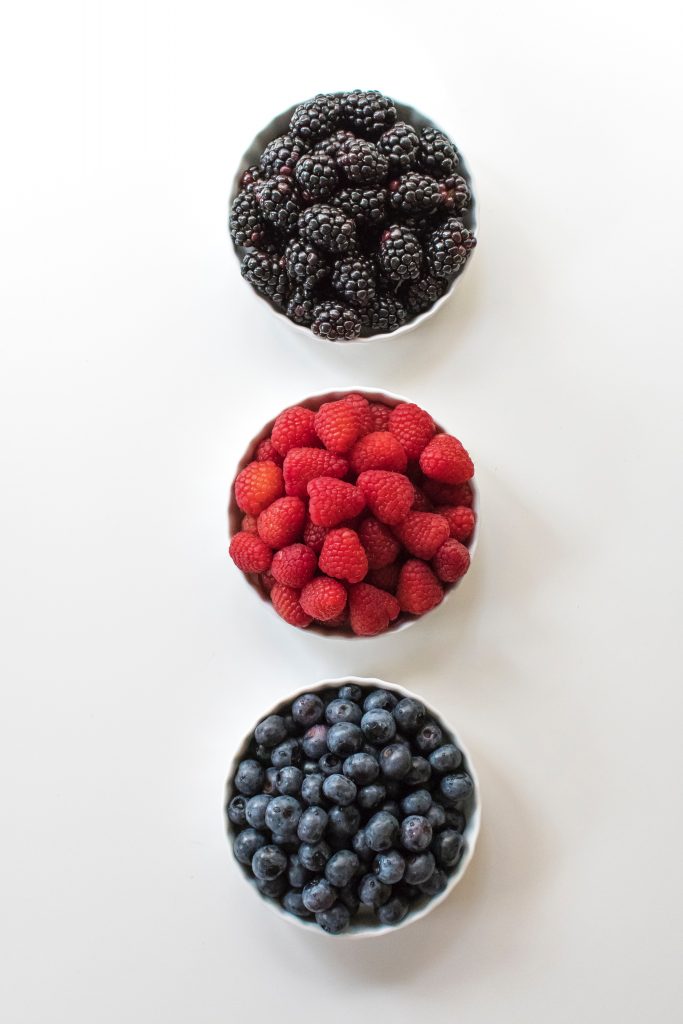
Blackberries & Raspberries
Blackberries and raspberries are rich in fiber and water, which can both ease constipation.
Olive Oil & Flaxseed Oil
Olive and flaxseed oils have a mild laxative effect, which can ease the flow of materials through the intestines and relieve constipation.
These oils also contain compounds that improve digestion and have antioxidant, antibacterial, and anti-inflammatory properties.
Sauerkraut/ Fermented cabbage
Sauerkraut contains probiotic bacteria that may help to improve digestion and reduce constipation.
A 2016 study found that 2 tablespoons of homemade sauerkraut contain around the same amount of bacteria as probiotic supplements.
Disclaimer: The advice provided is intended for informational purpose only and does not substitute for professional medical advice. Consult with your doctor if you’re seeking medical advice, diagnoses, or treatment.

Health Vectors
1st Floor
966, 27th Main, 8th Cross
Sector 1, HSR Layout
Bangalore 560102
(Behind Pai International)