Health Vectors
1st Floor
966, 27th Main, 8th Cross
Sector 1, HSR Layout
Bangalore 560102
(Behind Pai International)


Heart disease accounts for nearly one-third of all deaths worldwide. You can schedule an annual checkup, exercise daily, quit smoking, or take steps to reduce the level of stress in your life.
All of these things can have a positive effect on heart health.
One of the simplest lifestyle changes that will benefit your heart is watching what you eat.
Diet plays a major role in heart health and can impact your risk of heart disease.
In fact, certain foods can influence blood pressure, triglycerides, cholesterol levels and inflammation, all of which are risk factors for heart disease.
https://www.ncbi.nlm.nih.gov/pmc/articles/PMC5408160/
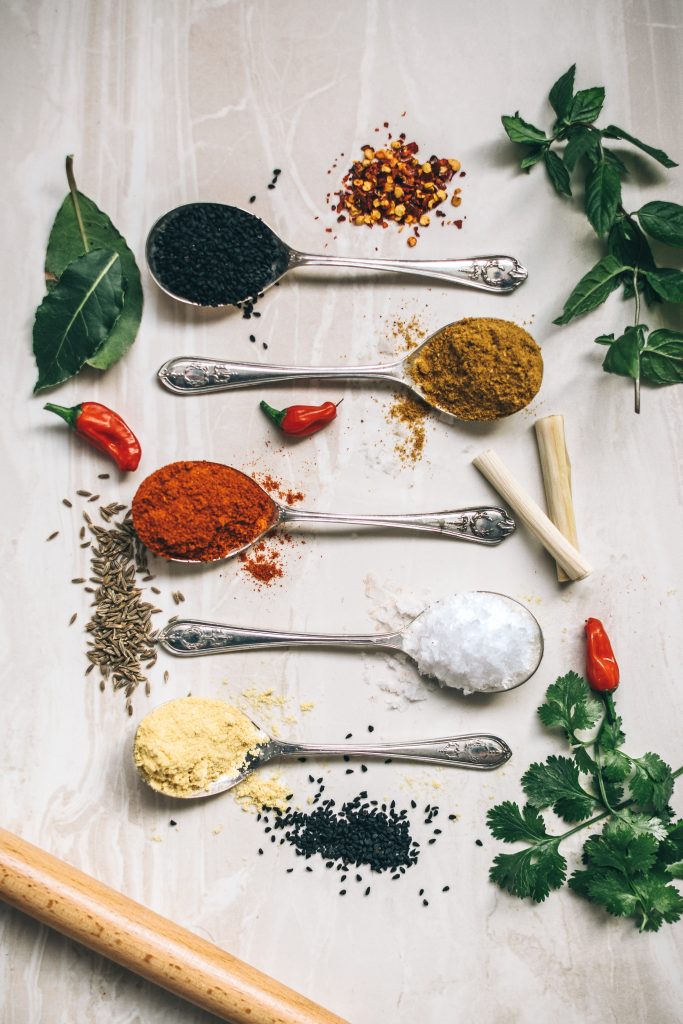
Spices
Spice like ginger, cinnamon, black pepper, coriander, turmeric etc. offer particular benefits for a healthy heart and blood vessels.
When you add these to foods instead of salt and fat, you're making a heart-healthy choice.
They add flavor without the bad stuff. Spices are a delicious ways to eat heart-smart.
https://www.ncbi.nlm.nih.gov/pmc/articles/PMC3083808/
Green Tea
Green tea is brimming with polyphenols and catechins, which can act as antioxidants to prevent cell damage, reduce inflammation, and protect the health of your heart.
A review of studies found that taking green tea extract for 3 months reduced blood pressure, triglycerides, LDL (bad) and total cholesterol, compared to a placebo.
https://pubmed.ncbi.nlm.nih.gov/32028419/
Garlic
Garlic contains a compound called allicin, which is believed to have a multitude of therapeutic effects.
In recent years, research has confirmed its potent medicinal properties and found that garlic can even help improve heart health.
In one study, taking garlic extract in doses of 600–1,500 mg daily for 24 weeks was as effective as a common prescription drug at reducing blood pressure.
Be sure to consume garlic raw or crush it and let it sit for a few minutes before cooking. This allows for the formation of allicin, maximizing its potential health benefits.
HTTPS://PUBMED.NCBI.NLM.NIH.GOV/24035939/
Flax and Chia Seeds
Flax seeds and Chia seeds are a rich plant-based source of omega-3 fatty acids, such as alpha-linolenic acid.
Omega-3s have many beneficial effects, such as helping to lower levels of triglycerides, LDL, and total cholesterol.
They also reduce blood pressure and minimize the buildup of fatty plaques in the arteries.
Omega-3s decreases the risk of disorders that can lead to heart attack, such as thrombosis and arrhythmias.
https://www.ncbi.nlm.nih.gov/pmc/articles/PMC2989356/
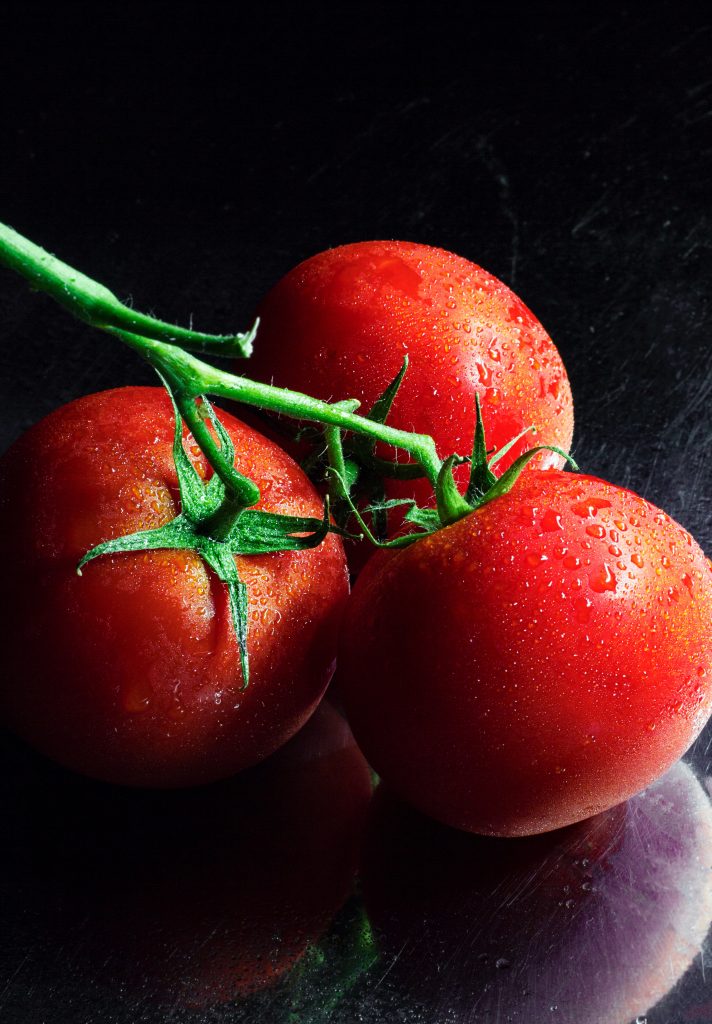
Tomatoes
Tomatoes are loaded with lycopene, a natural plant pigment with powerful antioxidant properties.
Low blood levels of lycopene are linked to an increased risk of heart attack and stroke.
Increasing the intake of tomato products and lycopene supplementation have positive effects on blood lipids and blood pressure.
A study in 50 women with overweight found that eating two raw tomatoes four times per week increased levels of HDL (good) cholesterol
Higher levels of HDL (good) cholesterol can help remove excess cholesterol and plaque from the arteries to keep your heart healthy and protect against heart disease and stroke
https://www.ncbi.nlm.nih.gov/pmc/articles/PMC3735277/
Fish High in Omega-3's
Fatty fish like salmon, mackerel, sardines, and tuna are loaded with omega-3 fatty acids, which have been studied extensively for their heart-health benefits.
People who have heart disease, or are at risk of developing it, are often recommended to increase their intake of omega-3s by eating fish; this is because they lower the risk of abnormal heartbeats and slow the growth of plaque in the arteries.
If you don’t eat much seafood, fish oil is another option for getting your daily dose of omega-3 fatty acids.
Fish oil supplements have been shown to reduce blood triglycerides, improve arterial function, and decrease blood pressure
https://www.ncbi.nlm.nih.gov/pmc/articles/PMC4548432/
Walnuts
Walnuts are a great source of fiber and micronutrients like magnesium, copper, and manganese.
Research shows that incorporating a few servings of walnuts in your diet can help protect against heart disease.
A 2009 study showed that diets supplemented with walnuts led to greater decreases in LDL (bad) and total cholesterol.
Some studies have also found that regularly eating nuts such as walnuts is associated with a lower risk of heart disease.
https://www.ncbi.nlm.nih.gov/pmc/articles/PMC2696995/
Almonds
Almonds are incredibly nutrient-dense, boasting a long list of vitamins and minerals that are crucial to heart health.
They’re also a good source of heart-healthy monounsaturated fats and fiber, two important nutrients that can help protect against heart disease.
A shows that eating almonds is associated with higher levels of HDL (good) cholesterol, which can help reduce plaque buildup and keep your arteries clear.
Remember that while almonds are very high in nutrients, they’re also high in calories. Measure your portions and moderate your intake if you’re trying to lose weight.
https://pubmed.ncbi.nlm.nih.gov/26269239/
Green Leafy Vegetables
Leafy green vegetables like spinach, fenugreek leaves etc. are well known for their wealth of vitamins, minerals, and antioxidants.
They are a great source of vitamin K, which helps protect your arteries and promote proper blood clotting.
One analysis of eight studies found that increasing leafy green vegetable intake was associated with up to a 16% lower incidence of heart disease.
https://www.ncbi.nlm.nih.gov/pmc/articles/PMC4973479/
Whole Grains
Whole grains include all three nutrient-rich parts of the grain; germ, endosperm and bran.
Refined carbohydrates increase the risk of coronary heart disease and whole grains are protective.
Multiple studies have found that including more whole grains in your diet can benefit your heart health.
One analysis of 45 studies concluded that eating three more servings of whole grains daily was associated with a 22% lower risk of heart disease.
https://www.ncbi.nlm.nih.gov/pmc/articles/PMC4908315/

Berries
Strawberries, blueberries, blackberries, and raspberries are jam-packed with important nutrients that play a central role in heart health.
Berries are also rich in antioxidants like anthocyanins, which protect against the oxidative stress and inflammation that contribute to the development of heart disease.
An analysis of 22 studies showed that eating berries was associated with reductions in LDL (bad) cholesterol, systolic blood pressure, body mass index, and certain markers of inflammation.
https://www.ncbi.nlm.nih.gov/pmc/articles/PMC4804301/
Avocado
Avocados are an excellent source of heart-healthy monounsaturated fats, which have been linked to reduced levels of cholesterol and a lower risk of heart disease.
The lipid-lowering and cardioprotective effects of avocado have been demonstrated in several studies.
Avocados are also rich in potassium, a nutrient that’s essential to heart health.
https://pubmed.ncbi.nlm.nih.gov/28393409/
Beans
Multiple studies have also found that eating beans can reduce certain risk factors for heart disease.
A review of 26 studies also found that a diet high in beans and legumes significantly decreased levels of LDL (bad) cholesterol.
Eating beans has been linked to reduced blood pressure and inflammation, both of which are risk factors for heart disease.
https://pubmed.ncbi.nlm.nih.gov/23398387/

Dark Chocolate Dark chocolate is rich in antioxidants like flavonoids, which can help boost heart health.
Several studies have associated eating chocolate with a lower risk of heart disease.
Consuming chocolate in moderation (less than 6 servings a week) may decrease your risk of coronary heart disease, stroke, and diabetes.
https://pubmed.ncbi.nlm.nih.gov/28671591/
| Disclaimer: The advice provided is intended for informational purpose only and does not substitute for professional medical advice. Consult with your doctor if you’re seeking medical advice, diagnoses, or treatment. |

Health Vectors
1st Floor
966, 27th Main, 8th Cross
Sector 1, HSR Layout
Bangalore 560102
(Behind Pai International)