Health Vectors
1st Floor
966, 27th Main, 8th Cross
Sector 1, HSR Layout
Bangalore 560102
(Behind Pai International)


What is heart disease?
Heart disease encompasses a wide range of cardiovascular problems. Several diseases and conditions fall under the umbrella of heart disease. Types of heart disease include:
Arrhythmia. An arrhythmia is a heart rhythm abnormality.
Atherosclerosis. Atherosclerosis is a hardening of the arteries.
Cardiomyopathy. This condition causes the heart’s muscles to harden or grow weak.
Congenital heart defects. Congenital heart defects are heart abnormalities that are present at birth.
Coronary artery disease (CAD). CAD is caused by the buildup of plaque in the heart’s arteries. It is also called ischemic heart disease.
Clogged Arteries A buildup of sticky plaque (fat and cholesterol) can narrow your heart's arteries, making it harder for blood to pass through.
Many people don't even know there's a problem until an artery is clogged by a blood clot and they have a heart attack.
But there may be warning signs of coronary artery disease, like frequent chest pain called angina.
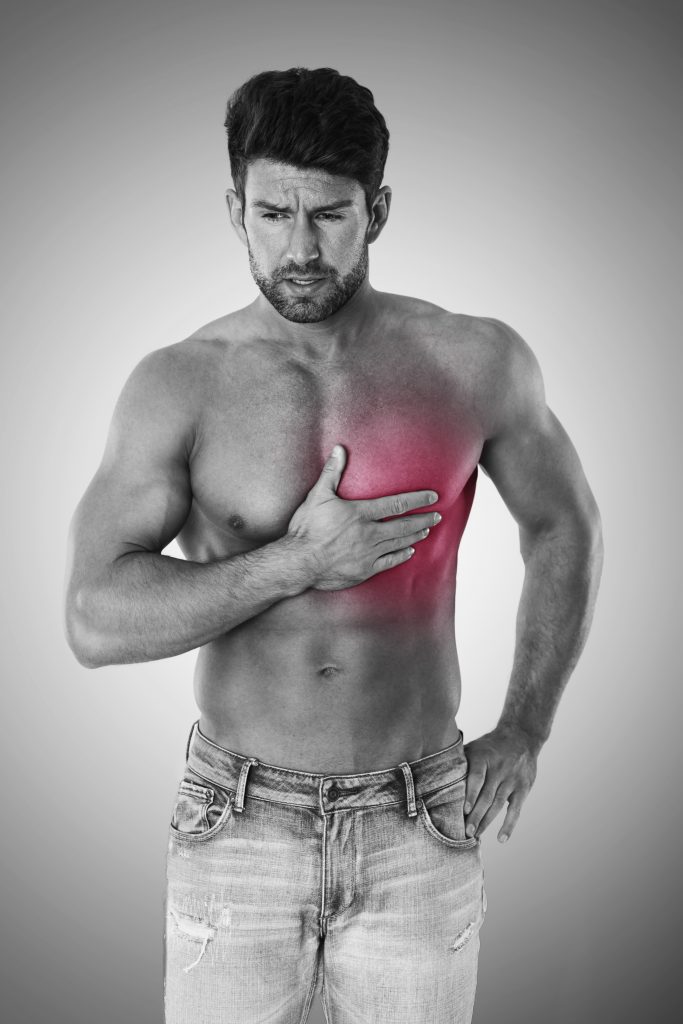 This pain of heart is unbearable
What does a heart attack feel like?
The major symptoms of a heart attack are
Chest pain or discomfort. Most heart attacks involve discomfort in the center or left side of the chest that lasts for more than a few minutes or that goes away and comes back. The discomfort can feel like uncomfortable pressure, squeezing, fullness, or pain.
Feeling weak, light-headed, or faint. You may also break out into a cold sweat.
Pain or discomfort in the jaw, neck, or back.
Pain or discomfort in one or both arms or shoulders.
Shortness of breath. This often comes along with chest discomfort, but shortness of breath also can happen before chest discomfort.
Other symptoms of a heart attack could include unusual or unexplained tiredness and nausea or vomiting.
Symptoms of heart attack in women
Symptoms of heart attack in women can include;
*Uncomfortable pressure, squeezing, fullness or pain in the center of your chest. It lasts more than a few minutes or goes away and comes back.
*Pain or discomfort in one or both arms, the back, neck, jaw or stomach.
*Shortness of breath with or without chest discomfort.
*Other signs such as breaking out in a cold sweat, nausea or lightheadedness.
*As with men, women’s most common heart attack symptom is chest pain or discomfort. But women are somewhat more likely than men to experience some of the other common symptoms, particularly shortness of breath, nausea/vomiting and back or jaw pain.
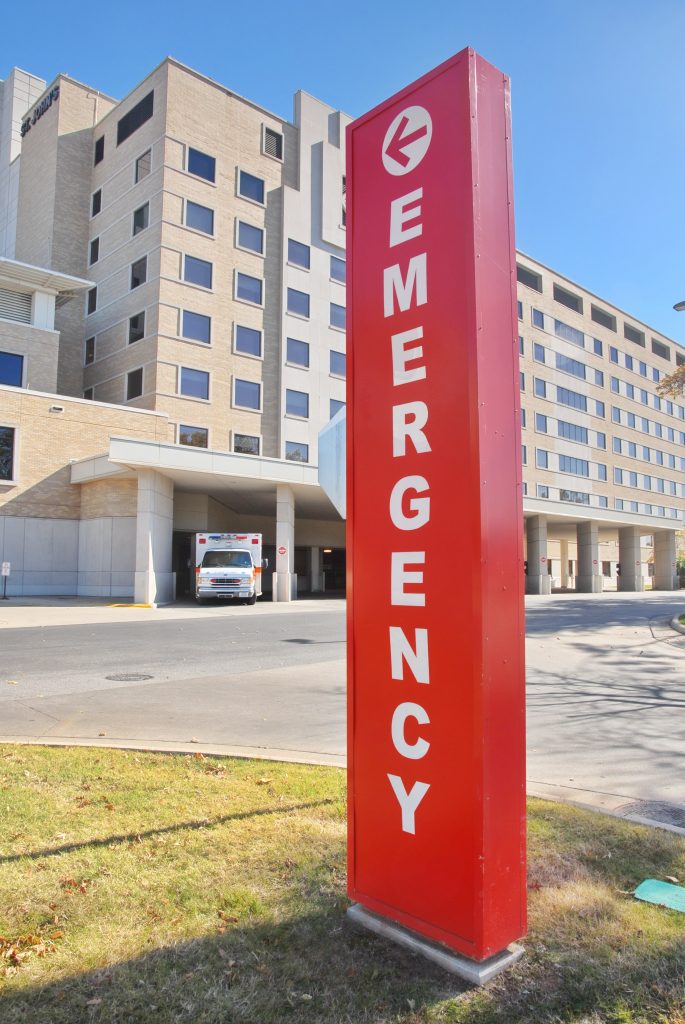
Act Fast
*If you think you're having a heart attack, get to an emergency right away, even if you're not sure.
*Don't wait to see if you feel better.
*And don't drive yourself to the hospital.
*Call for an ambulance and the emergency medical team will come to you and start work right away.
*A fast response can save your life.
Irregular Heartbeat: Arrhythmia
*A heart arrhythmia (uh-RITH-me-uh) is an irregular heartbeat.
*Heart rhythm problems (heart arrhythmias) occur when the electrical signals that coordinate the heart's beats don't work properly.
*The faulty signaling causes the heart to beat too fast (tachycardia), too slow (bradycardia) or irregularly.
*They're often harmless and pass quickly, but some types can affect your blood flow and can kill a person in minutes if help is not provided.
*Tell your doctor if you notice anything unusual.
Heart Muscle Disease: Cardiomyopathy
Abnormal heart muscle, or cardiomyopathy, makes it hard to pump and carry blood to the rest of your body.
Over time, health problems such as high blood pressure, obesity, and diabetes can cause this serious condition, which can lead to heart failure
Heart Failure
This doesn't mean your heart stops working. It means the organ can't pump enough blood to meet your body's needs.
So over time, it gets bigger and pumps faster.
This weakens the muscle and lowers the amount of blood flowing out even more, which adds to the problem.
Most cases of heart failure are the result of coronary artery disease and heart attacks.
Congenital Heart Defect
A congenital heart defect is a problem with the structure of the heart.
It is present at birth.
Congenital heart defects are the most common type of birth defect.
The defects can involve the walls of the heart, the valves of the heart, and the arteries and veins near the heart.
Not all need treatment, but some require medicine or surgery.
Electrocardiogram (ECG)
An electrocardiogram (ECG) test is a simple, painless procedure that measures electrical signals in your heart.
Each time your heart beats, an electrical signal travels through the heart.
An ECG can show if your heart is beating at a normal rate and strength.
An abnormal ECG can be a sign of heart disease or damage.
Cardiac Stress Test
A cardiac stress test shows how your heart works during physical activity.
It can reveal problems with blood flow within your heart.
A stress test usually involves walking on a treadmill or riding a stationary bike while your heart rhythm, blood pressure and breathing are monitored.
Your doctor may recommend a stress test if you have signs or symptoms of coronary artery disease or an abnormal heart rhythm (arrhythmia).
Holter Monitor
The Holter monitor is a type of portable electrocardiogram (ECG).
It records the electrical activity of the heart continuously over 24-48 hours or longer while you are away from the doctor's clinic or hospital
A standard or "resting" ECG is one of the simplest and fastest tests used to evaluate the heart.
Electrodes (small, plastic patches that stick to the skin) are placed at certain points on the chest and abdomen
The electrodes are connected to an ECG machine by wires.
Then, the electrical activity of the heart can be measured, recorded, and printed.
Chest X Ray
Chest x-ray uses a very small dose of ionizing radiation to produce pictures of the inside of the chest.
It is used to evaluate the lungs, heart and chest wall and may be used to help diagnose shortness of breath, persistent cough, fever, chest pain or injury.
It also may be used to help diagnose and monitor treatment for a variety of lung conditions such as pneumonia, emphysema and cancer.
Because chest x-ray is fast and easy, it is particularly useful in emergency diagnosis and treatment.
Echocardiography
Echocardiography is a test that uses sound waves to produce live images of your heart. This test allows your doctor to monitor how your heart and its valves are functioning.
The images can help them get information about the size of your heart, any clots in the chambers, any fluid around the heart, problems with the function of the heart valves etc.
An echocardiogram is key in determining the health of the heart muscle, especially after a heart attack. It can also reveal heart defects, or irregularities, in unborn babies.
Cardiac CT
Cardiac computerized tomography takes detailed X-rays of your heart and its blood vessels.
A computer then stacks the images to create a 3-D picture.
Doctors use it to look for buildups of plaque or calcium in your coronary arteries, as well as valve problems and other types of heart disease.
Cardiac Catheterization / Angiography
In this procedure, your doctor guides a narrow tube, called a catheter, through a blood vessel in your arm or leg until it reaches your heart.
Your doctor can guide the catheter into the coronary arteries and inject contrast dye to check blood flow through them.
The picture shows any blockages and how bad they are.
Living with Heart Disease
At first, symptoms can be hard to spot and may not disturb your daily life.
But left alone and ignored, they get worse.
If your heart starts to fail, you might be short of breath or feel tired. Keep an eye out for swelling in your belly, ankles, feet, or legs.
In many cases, long-term treatment can help keep things under control.
You can fight heart failure with medication, lifestyle changes, surgery, or a transplant.

Medicines
It's important to keep your appointments with your doctor and any specialist medical doctors.
Medications can help your recovery and reduce the risk of a serious heart event.
Do not vary or stop taking your medication without consulting your doctor.
Follow-up appointments are important so your doctor can check your progress.
Angioplasty
Angioplasty is a procedure used to open blocked coronary arteries caused by coronary artery disease.
It restores blood flow to the heart muscle without open-heart surgery
Angioplasty can be done in an emergency setting such as a heart attack.
Your doctor guides a thin catheter with a balloon on the end into your artery.
When the balloon reaches the blockage, the doctor fills it with air.
This inflates your artery and allows blood to move freely.
They may also put in a small mesh tube called a stent to keep it open.
Bypass/ Coronary Artery Bypass Graft (CABG) surgery
Your doctor might suggest this operation if you have one or more arteries that are too narrow or blocked.
They first remove a blood vessel from an area of your body, such as your chest, belly, legs, or arms, and then attach it to a healthy artery in your heart.
Your blood is guided around the problem area, "bypassing" it.
Who gets heart disease?
Men are more likely to have a heart attack than women, and at an earlier age.
But heart disease is still the No. 1 killer of both genders.
People with a family history of it also have a higher risk.
What can you do to delay/ avoid heart disease
These daily habits can lower your chances of heart disease:
*Exercise regularly (30 minutes most days).
*Stay at a healthy weight.
*Eat a balanced diet.
*Limit how much alcohol you drink (one drink a day for women, two a day for men).
*Don't smoke.
If you have diabetes, it's important to manage your blood sugar levels. And if you have high cholesterol and high blood pressure, do everything you can to get them in check.
| Disclaimer: The advice provided is intended for informational purpose only and does not substitute for professional medical advice. Consult with your doctor if you’re seeking medical advice, diagnoses, or treatment. |

Health Vectors
1st Floor
966, 27th Main, 8th Cross
Sector 1, HSR Layout
Bangalore 560102
(Behind Pai International)