Health Vectors
1st Floor
966, 27th Main, 8th Cross
Sector 1, HSR Layout
Bangalore 560102
(Behind Pai International)


Fruits and vegetables are low in fat and calories but high in protein and fiber. Eating more fruit and veg can help reduce the risk of certain cancers and other chronic diseases. Read on for our lists of the best low-carb fruits and vegetables to incorporate into your eating plan.
Watermelon
This summer fruit has the lowest carbohydrate content, at only 7.55g per 100 g of fruit. Watermelon is also high in vitamin A and has a high-water content, which will fill you up while providing fewer calories.
Cucumber
Cucumbers are a refreshing and nutritious addition to any salad.
Peeled, they contain just 2.16 g of carbs for every 100 g.
If you prefer them with peel, that’s 3.63 g which is still pretty low.

Muskmelon/Cantaloupe
This orange melon is a popular summer fruit and contains only 8.16g of carbohydrates per 100g.
Cantaloupe is also cholesterol-free, low in sodium, high in vitamins A and C, and a good source of folate.
Can also toss it into a blender with yogurt for a smoothie snack.
Cauliflower
Cauliflower has just 4.97g of carbs per 100 g serving.
In addition to enjoying its florets in a subji, you can turn it into a tasty and low-carb alternative to rice or other grains.
Pineapple
100g of pineapple is one of the best ways to get manganese, an essential mineral that affects your nervous system.
100g of pineapples contains just 11 grams of carbohydrates.
Pineapple is also a natural source of bromelain; an enzyme mix that digests protein.

Tomato
Tomatoes have just 3.89 g of carbs per 100 g serving.
Enjoy them raw as an easy, healthy snack with salt and pepper, as toppings on salads or sandwiches, or cooked into soups or used to make curries.
Plums
Plums rank low on the carb count scale.
Small but mighty, one medium plum only has 7.6 grams of carbs, but 100 milligrams of potassium to keep high blood pressure and strokes at bay.
Radishes
Radishes are a tasty and nutritious vegetable.
Sliced radishes make a great addition to salads, chop them with their greens for a yummy subji or grate them for a stuffed radish paratha.
They have just 3.4 g f carbs per 100 g of radish.

Avocado
Avocados are rich in oleic acid, a monounsaturated fat that has beneficial effects on health.
Small studies have found that avocados can help lower LDL cholesterol and triglyceride levels.
Avocados contain relatively low carbohydrate content with 6.7 g of fiber.
https://pubmed.ncbi.nlm.nih.gov/1308699/
Spinach
Every 100 g of spinach provides 3.63 g of carbohydrates.
That only comes to around 1 g per cup.
Spinach is a vital source of iron, calcium, and magnesium, and it can be especially useful for supplementing these essential minerals in a vegetarian or vegan diet.
Peaches
Peaches have a surprisingly low carbohydrate content, considering that they are among the sweeter fruits available. For every 100 g of fruit, a person gets 9.54 g of carbohydrates. One medium peach has 50 calories, 1 gram of protein, no fat, and 15% of your daily vitamin C

Capsicum/ Bell Peppers
Bell peppers, also known as capsicums, are incredibly nutritious.
100 g of bell peppers have just 5.88g carbs.
They contain antioxidants called carotenoids that may reduce inflammation.
Green, orange and yellow bell peppers have similar nutrient profiles, although their antioxidant contents may vary.
Strawberries
Berries are a popular choice for people watching their carb intake, and strawberries have the least of any berry.
Each 100 g serving of strawberries provides 7.68 g of carbohydrates.
They are also excellent sources of potassium and vitamin C.
Broccoli
Broccoli is a true superfood.
Studies show that broccoli may decrease insulin resistance in type 2 diabetics.
It’s also thought to protect against several types of cancer, including prostate cancer.
Raw broccoli contain 6.64g carbs per 100g serving.
https://pubmed.ncbi.nlm.nih.gov/22537070/
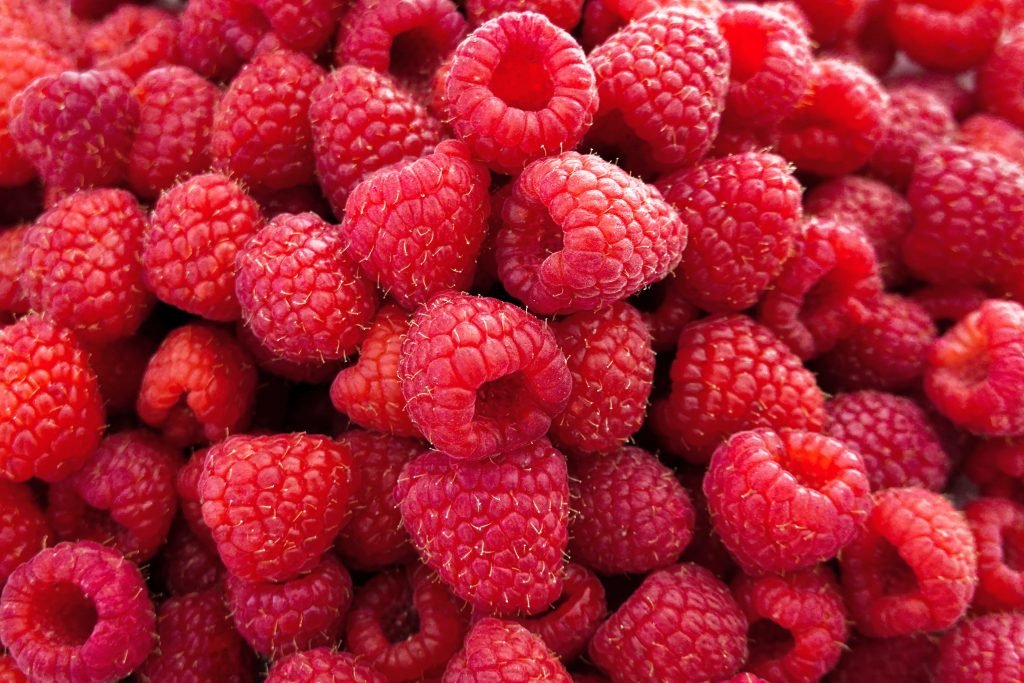
Raspberries
Raspberries are a popular choice for people watching their carb intake, as they net only 5.44 g of carbohydrates per 100 g serving. They’re also an excellent source of antioxidants, potassium, and vitamin C among many other nutrients. And they contain phytochemicals, which are compounds that may prevent certain chronic diseases.
Blackberries
Blackberries are high in antioxidants that fight disease.
Because they have lots of fiber, blackberries are less likely to cause gas and digestive issues.
For each 100 g of blackberries, you'll get 9.61 g of carbohydrates -- which is healthy for you.
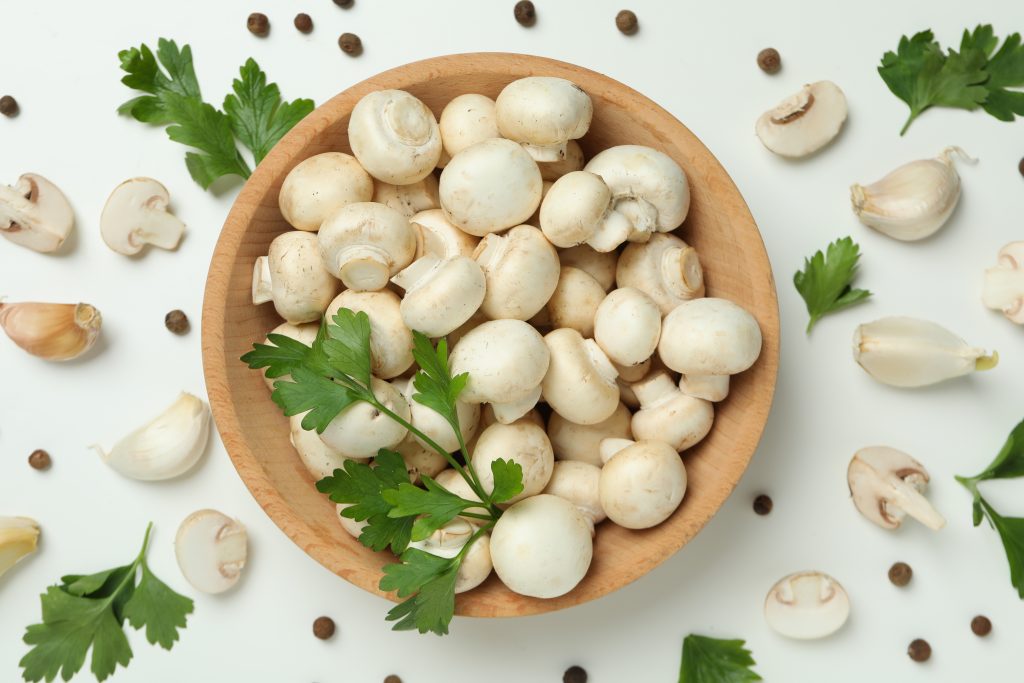
Mushrooms
Mushrooms are extremely low in carbs.
A one-cup (70-gram) serving of raw, white mushrooms contains just 2 grams of carbs, 1 of which is fiber.
Add them to an egg white omelet for a healthy, low-carb breakfast.

Health Vectors
1st Floor
966, 27th Main, 8th Cross
Sector 1, HSR Layout
Bangalore 560102
(Behind Pai International)