Health Vectors
1st Floor
966, 27th Main, 8th Cross
Sector 1, HSR Layout
Bangalore 560102
(Behind Pai International)


Image credit: Total Shape
Streaming platforms are changing the way we watch television. Binge watching can have a negative impact on your health. Before you curl up for your next binge-watching session, here are a few health considerations you should know.
Physical inactivity
One of the big challenges posed by COVID-19 is that people who shelter-in-place are consuming more entertainment both during the day and into the wee late-evening and early-morning hours.
A study reported a comparison between active sitting, such as working at a computer at a desk, and nonactive sitting like watching television. Non-active sitting, as the researchers suggest, might be linked to up to a 25% higher body mass index and body fat in younger adults.
https://www.mdpi.com/1660-4601/17/8/2643

An unhealthy diet
Snacking while bingeing can create an imbalanced calories in–calories out ratio
A published data showed a strong link between television viewing and habitual eating, regardless of hunger level. This is in part due to "distraction eating," which is associated with more food intake and being overweight.
https://academic.oup.com/ajcn/article/111/5/950/5799140
Social isolation
Binge-watching is more likely to isolate you from your family and friends than you realize. Since it is addictive, you are more likely to forego the chance to socialize in person in your free time.
Also, binge-watching without limits can lead to long-term consequences.
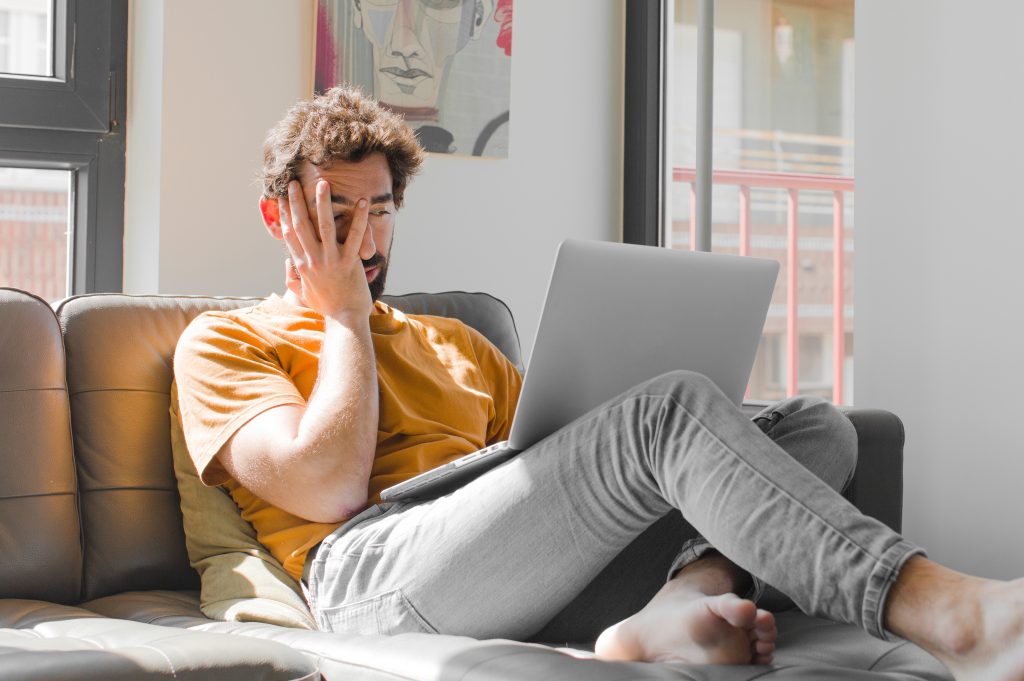
It interferes with sleep patterns
Binge-watching is essentially a non-stop engagement, and since you might not be able to do it while you are at work, it is highly likely that you will do it through the night.
It may start with the resolution to watch just one episode, but if you are addicted to it, you may get excited about the next episode or season, giving up on sleep rather than giving up on watching the latest series you’re obsessed with.
https://www.psychologytoday.com/us/blog/sleep-newzzz/201801/binge-watching-and-its-effects-your-sleep
It's like being on drugs
The moment you stop binge-watching, you feel a low and only a fresh episode can satiate that hollow feeling.
Your brain produces a chemical called dopamine whenever you engage in an activity you love. This chemical makes you feel good and happy by inducing a "high" that many drugs do too.

It may lead to weight gain
The moment you stop binge-watching, you feel a low and only a fresh episode can satiate that hollow feeling.
Your brain produces dopamine whenever you engage in an activity you love. This chemical makes you feel good and happy by inducing a "high" that many drugs do too.
https://www.hsph.harvard.edu/news/hsph-in-the-news/binge-watching-tv-not-good-for-waistline/
Induces stress, anxiety & depression
Feeling anxious about what's going on in your favorite show can lead to depression. Not being able to watch the next episode can cause stress and anxiety.
There's a fancy term for this condition: 'show hole', where finishing a series makes you feel empty.
Needless to say, these feelings of stress and anxiety, when coupled with the addictive and isolating nature of binge-watching, can lead to depression.
Blood clots
In a 2018 study researchers found prolonged sitting for binge-watching is similar to prolonged sedentary behavior for long flights or during illness—it can increase the risk for deep-vein thrombosis (DVT) by up to 70%. And that risk remains even if a person is not overweight and still being physically active.
https://link.springer.com/article/10.1007%2Fs11239-018-1620-7

Cognitive decline
Study suggests binge-watching could lead to cognitive decline down the road.
Instead of spending hours watching TV, people should engage themselves in mind-building activities.
These include reading, puzzles, games, and physical exercise, according to researchers at Queen's University, Belfast.
https://doi.org/10.1038/s41598-019-39354-4
How To Break the Habit?
The best way to reduce the effects of binge-watching is to make television (even binge watching on your phone) watching an occasional pleasure and not an everyday thing.

How To Break the Habit?
Limiting yourself: You may want to watch a small number of episodes, i.e., two episodes of a show at a time. Once you have reached your limit, turn the TV off and find something else to do.
Setting a time limit: Decide on an appropriate amount of time you will watch television every night. Then set an alarm or timer to keep yourself stay on course.
Finding a balance: Balance your TV-watching with other activities, including exercise, reading, a hobby, or spending time with a friend.
How To Break the Habit?
Making TV watching a social thing: If you invite someone else to watch with you, you likely won’t spend as much time watching and you won’t get sucked into hours of streaming.
Making sure you have a bedtime: Binge-watching can cause you to sacrifice hours of sleep, which can affect you the next day and harm you in the long-term. It might help to set a bedtime alarm, so you don’t lose track of time watching television.
Deciding to snack healthy: Rather than eating unhealthy snacks while watching TV, opt for snacks that have more nutritional value. Fruits and vegetables are healthier options over salty, fatty foods.

Health Vectors
1st Floor
966, 27th Main, 8th Cross
Sector 1, HSR Layout
Bangalore 560102
(Behind Pai International)