Health Vectors
1st Floor
966, 27th Main, 8th Cross
Sector 1, HSR Layout
Bangalore 560102
(Behind Pai International)

It's well-accepted that your chances of developing cancer are affected by the lifestyle choices you make.
So, if you're interested in preventing cancer, take comfort in the fact that simple lifestyle changes can make a difference. Consider these cancer-prevention tips.
Don't use tobacco
The use of tobacco products has been linked to many types of cancer.
About 90 percent of all lung cancer is related to smoking.
Non-smokers who are exposed to secondhand smoke are also at risk for lung cancer and other respiratory conditions. It's never too late to quit.

Eat a healthy diet
Eat plenty of fruits and vegetables to boost your immune system. Whole grains, pulses, legumes, dals and spices are good sources of protein.
Eat cruciferous vegetables such as broccoli and cabbage to help protect against DNA damage that can turn cells cancerous.
https://pubmed.ncbi.nlm.nih.gov/23211939/
Maintain a healthy weight and be physically active
Inactivity and obesity have been linked to breast and colorectal cancer. There is also some evidence of a link to lung and pancreatic cancer.
Add exercise to your routine to reduce stress, increase energy and boost your immune system.
It can also help you control your weight and reduce the risk for cancer.
Go easy on alcohol
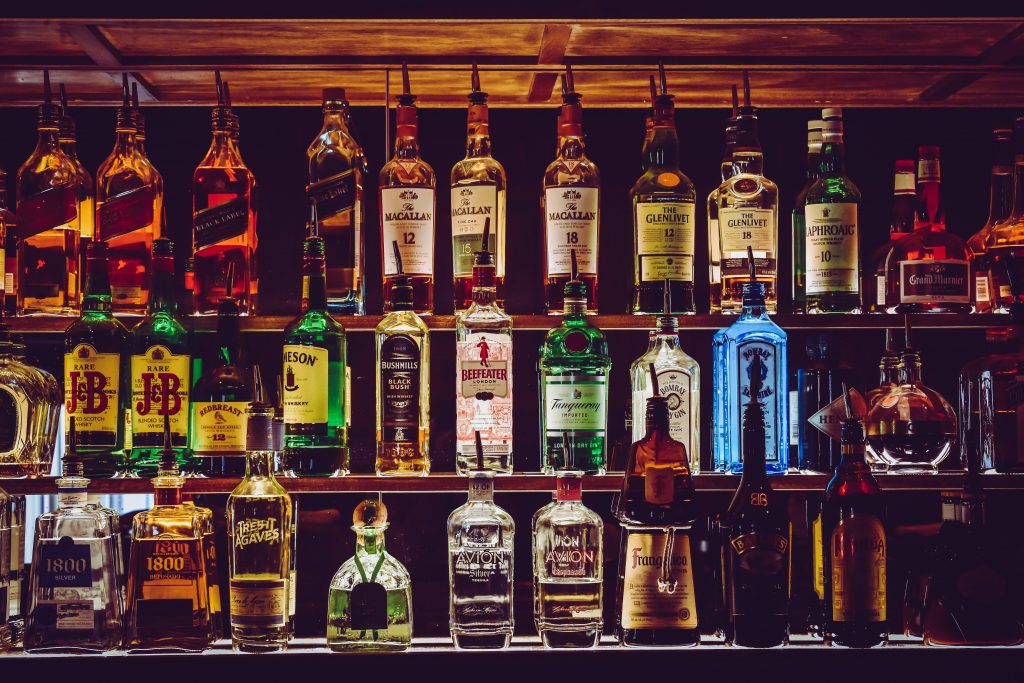
Alcohol is linked to cancers of the mouth, breast, liver, esophagus, and more. The more you drink, the higher your risk.
Women should stick to not more than one drink a day, men up to two.
Avoid alcohol, but if you must drink, do it in moderation.
https://jamanetwork.com/journals/jama/article-abstract/2757730
Limit intake of red meat and avoid processed meat
Red meat, including beef, pork, and lamb, can cause some types of cancer, a report says.
Processed meats like sausage, bacon, hot dogs, salami, and ham are also harmful, it says. The report was published by the World Health Organization's cancer agency.
Practice safe sex
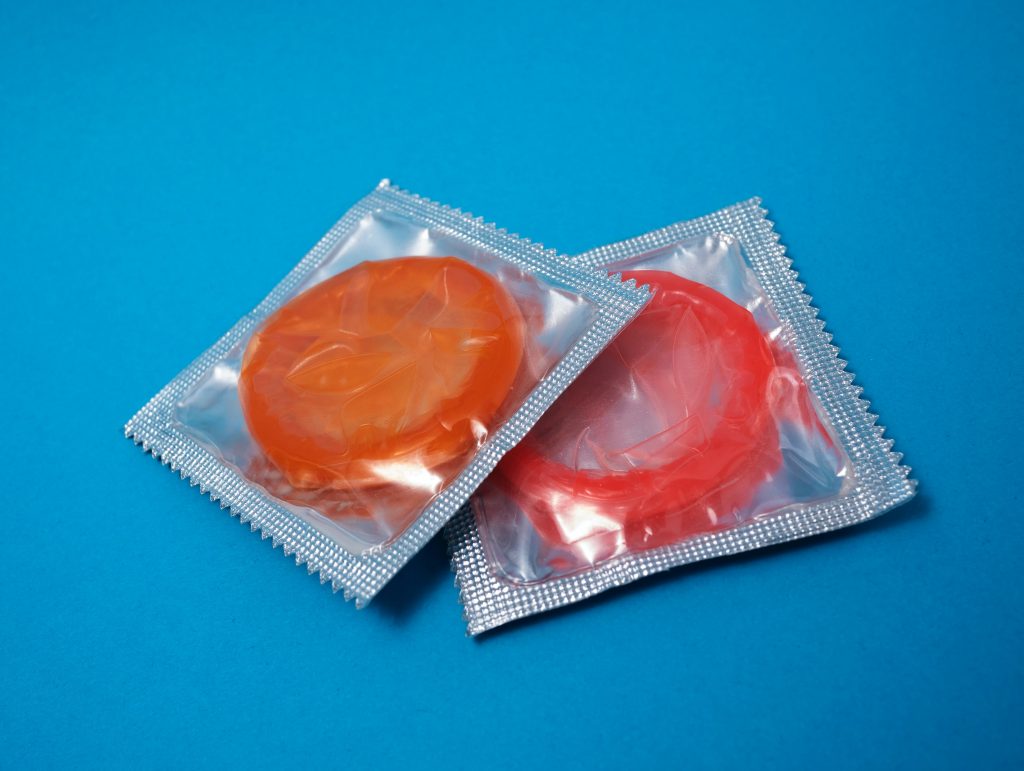
Limit your number of sexual partners and use a condom when you have sex. The more sexual partners you have, the more likely you are to contract a sexually transmitted infection.
People who have AIDS (from HIV) have a higher risk of cancer of the anus, liver and lung.
https://journals.asm.org/doi/full/10.1128/CMR.16.1.1-17.2003
Don't share needles
Sharing needles with people who use intravenous drugs can lead to HIV, as well as hepatitis B and hepatitis C — which can increase the risk of liver cancer.
Avoid toxic chemicals
Chemicals called carcinogens damage DNA in your cells and raise your chance of cancer. Asbestos, radon, and benzene are a few that some people encounter at work or home.
You can't avoid every chemical, but know which ones are in products you use and switch to safer options..
https://www.mdpi.com/1660-4601/18/16/8417
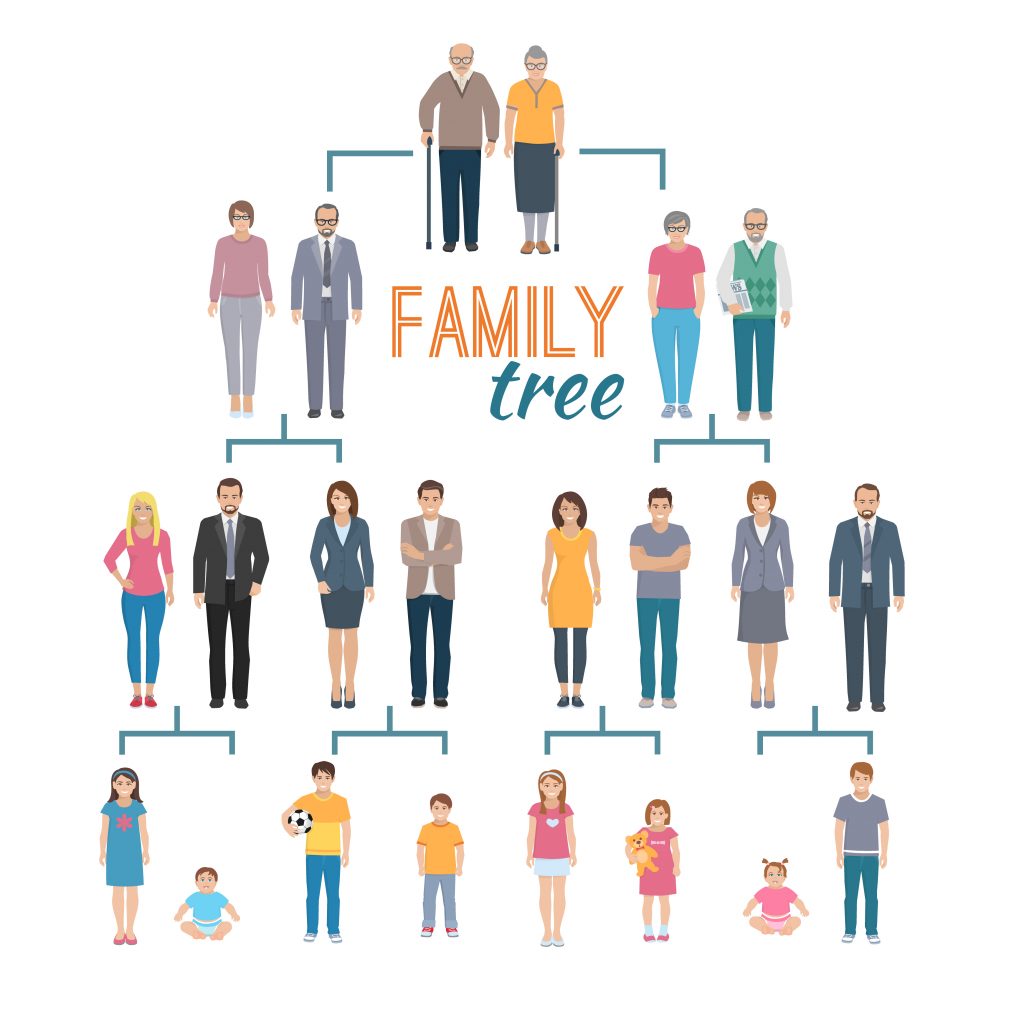
Know Your Family History
You inherited more than your mother's eyes or your father's grin. They may also have shared their chances for having diseases like cancer.
have flaws. They don't repair damaged DNA the way they should, which lets cells turn into cancer.
Learn about your family's medical history and ask your doctor if a genetic test is a good idea for you.
https://jamanetwork.com/journals/jama/article-abstract/199491
Get regular medical care
Regular self-exams and screenings for various types of cancers — such as cancer of the colon, cervix and breast — can increase your chances of discovering cancer early, when treatment is most likely to be successful.
Ask your doctor about the best cancer screening schedule for you.
https://jamanetwork.com/journals/jama/article-abstract/199491
Disclaimer: The advice provided is intended for informational purpose only and does not substitute for professional medical advice. Consult with your doctor if you’re seeking medical advice, diagnoses, or treatment.

Health Vectors
1st Floor
966, 27th Main, 8th Cross
Sector 1, HSR Layout
Bangalore 560102
(Behind Pai International)